November 5, 2026
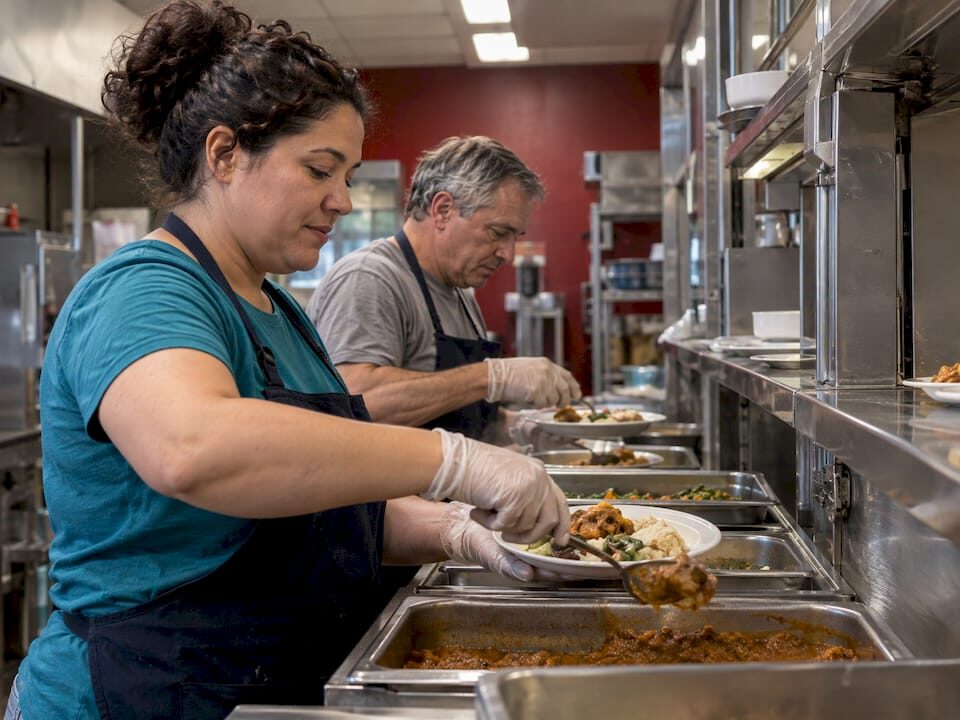
A practical guide to domestic mission trips for churches, youth and college groups: what the work looks like, how to prepare safely, and what NYC trips cost.

We also accept other Non-Traditional Gifts.
Click here to learn more
We also accept other Non-Traditional Gifts.
Click here to learn more
We also accept other Non-Traditional Gifts.
Click here to learn more
We also accept other Non-Traditional Gifts.
Click here to learn more
We also accept other Non-Traditional Gifts. Click here to learn more
We also accept other Non-Traditional Gifts. Click here to learn more

Evangelism: A Biblical and Practical Guide for Every Believer
August 13, 2026
Book NYSUM’s Thanksgiving Outreach Package in NYC
August 20, 2026New York School of Urban Ministry
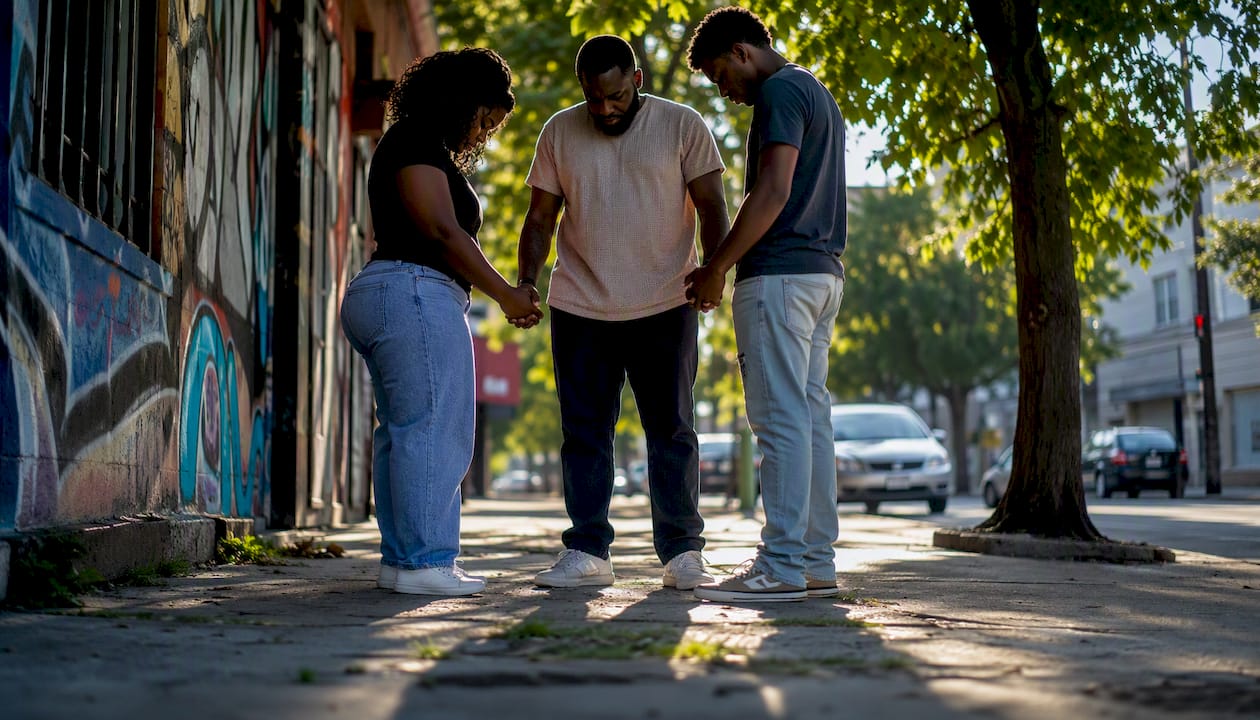
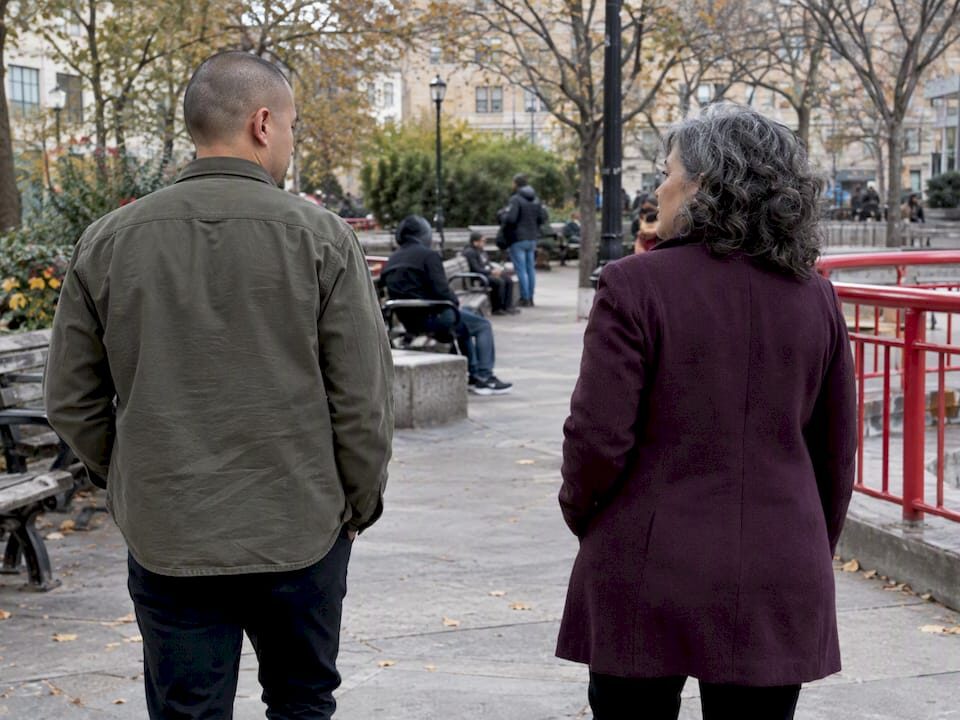
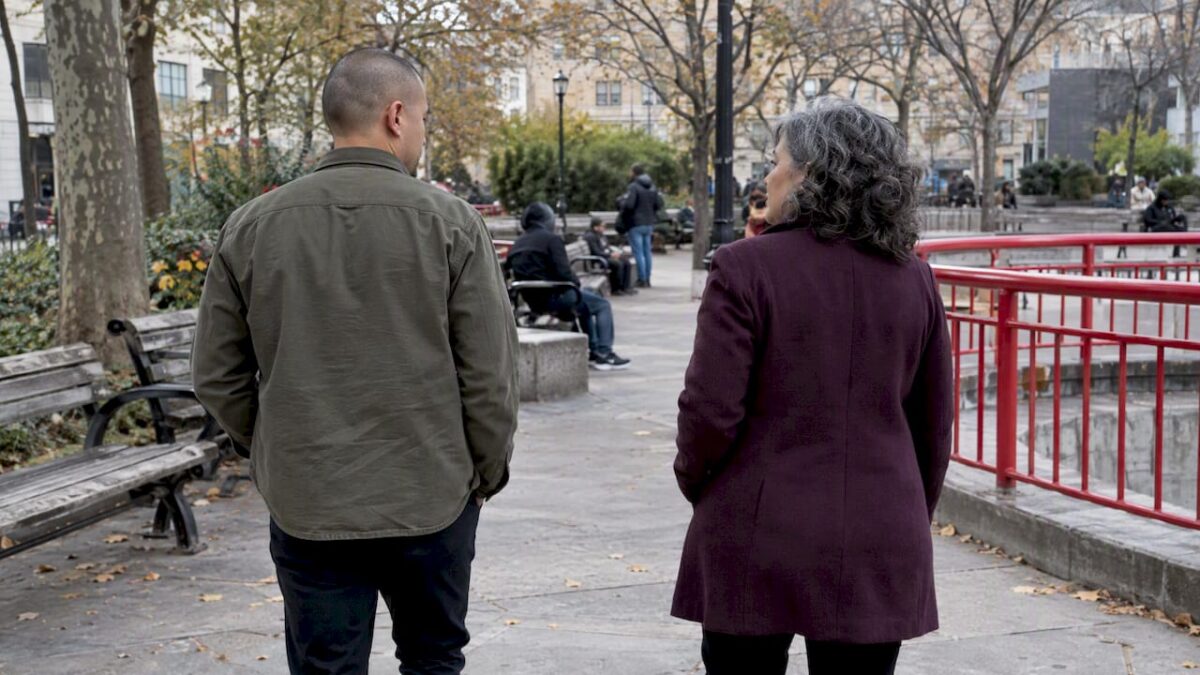
A prayer walk is simply prayer in motion: walking through a neighborhood, campus, or block while praying for what you see, guided by listening more than talking. Start with five steps: prepare your heart with a few quiet minutes, choose a specific route, pair up with a partner, walk while praying aloud or silently, then debrief together. Most first-time walks take around half an hour to three-quarters of an hour.
Before you head out, gather a Bible or scripture cards for prompts:
A prayer walk works best when it pairs a simple route and small group with a humble, listening posture rather than a scripted agenda.
| Point | Details |
|---|---|
| Start small | Pairs or groups of 2 to 6 blend in better and allow one person to pray while the other observes. |
| Plan the route first | Map public spaces in advance and get permission before entering private or gated property. |
| Use themed stations | Pair each stop with a short scripture and observable cue so prayers stay specific. |
| Always debrief | Share observations and spiritual impressions right after the walk to build a follow-up prayer list. |
| Get trained support | NYSUM’s ministry packages include prayer-walk coaching within full mission trip training. |
A prayer walk is an act of accompaniment. You move through a place, praying for the homes, schools, businesses, and people you encounter, staying alert to what God might already be doing there rather than treating the walk as a way to claim ground. That distinction shapes everything else in this guide. Practitioner guidance from Augsburg University frames transformative prayer walks around humility, curiosity, and compassion instead of territorial language.
Leaders return to prayer walking because it delivers benefits that a planning meeting or a sermon cannot:
The most effective posture entering any neighborhood is one of accompaniment. Curiosity and humility, not claiming, produce the outcomes that matter.
Good prayer walks start with a map, not a whim. Pick a route through public gathering places, sidewalks, parks, and commercial strips, and vary the day and time you go. Teams that walk mid-week afternoons see a different neighborhood than teams that only walk Sunday mornings, and both views matter. If your route passes gated apartment complexes or private property, ask the building manager or a resident for permission first.
Keep groups to pairs or small clusters of two to six people. Smaller groups blend into a neighborhood more naturally, and pairs allow one person to pray while the other watches and listens, a structure Episcopal Church leader guides recommend for both safety and focus.
A simple pre-walk meeting covers five things: gather, pray together, assign routes and partners, review safety notes, then depart. Build in a return time so everyone knows when to reconvene.
Before you leave, confirm:
Pro Tip: Matching shirts or lanyards help your group look organized rather than suspicious, and they make it easy for a resident to ask what you’re doing if they’re curious.
A typical walk breaks cleanly into four phases: gathering, an opening prayer, walking segments or stations, and debrief, with the walking portion generally lasting between twenty to forty minutes. Cru’s Prayer Walk Leaders Guide uses this same rhythm: map the area, assign pairs, walk, then regroup to share what happened.
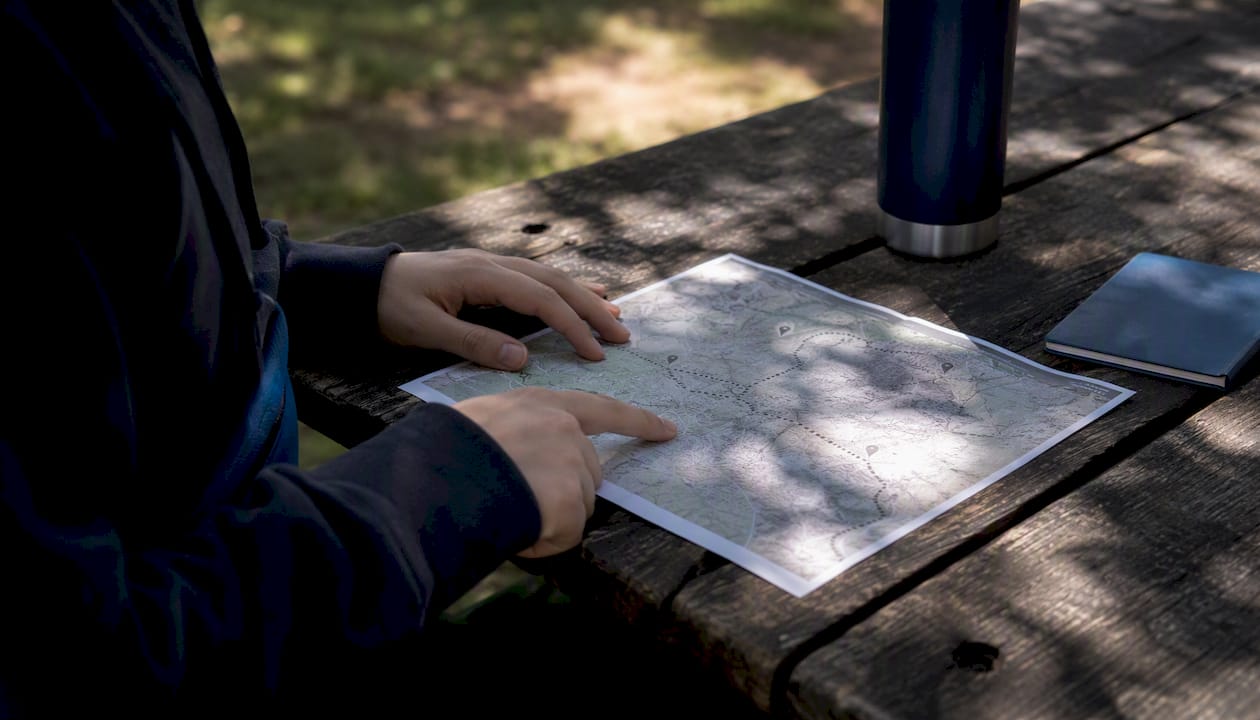
A leader script can be concise and include opening, transitions, mid-walk prompts, and closing instructions. For a station-based walk, stops may have a theme, scripture, observable cue, and a short suggested prayer, with walkers pausing a few minutes at each.
Numbered steps for the walking phase:
Specific prayers beat vague ones. Give your team themes tied to what they’re actually walking past, and pair each with a short scripture so nobody freezes when it’s their turn to pray.
A sample aloud prayer: “Lord, bless this home with peace. Meet whatever need is behind this door tonight.” A sample silent prayer, for a passerby you don’t want to make uncomfortable: “God, I don’t know this person’s story, but You do. Draw near to them today.”
Some guides describe a more intentional “BLESS” framework, praying for the body, labor, emotional health, social relationships, and spiritual condition of a place, as outlined in the Biglife Prayer Walking Guide. Use it if your team wants more structure than open-ended prayer provides. At each station, ask simply: what do you see, and what does that make you want to pray?
Assign three roles before you leave: a leader who keeps time and direction, pairs who pray together, and a scribe who jots down observations for the debrief. This keeps the walk moving without anyone feeling unsure of their job.
A few etiquette rules protect the dignity of the people you’re walking among:
The walk isn’t finished when you stop moving. Gather your group and ask three questions: what did you observe, what stood out spiritually, and what’s one practical next step? This short debrief template turns a walk into something your team can act on instead of a nice memory that fades by dinner.
Build a simple follow-up checklist:
Most churches and campus groups find a monthly rhythm sustainable, walking the same area repeatedly builds familiarity and reveals change over time better than a single one-off visit.
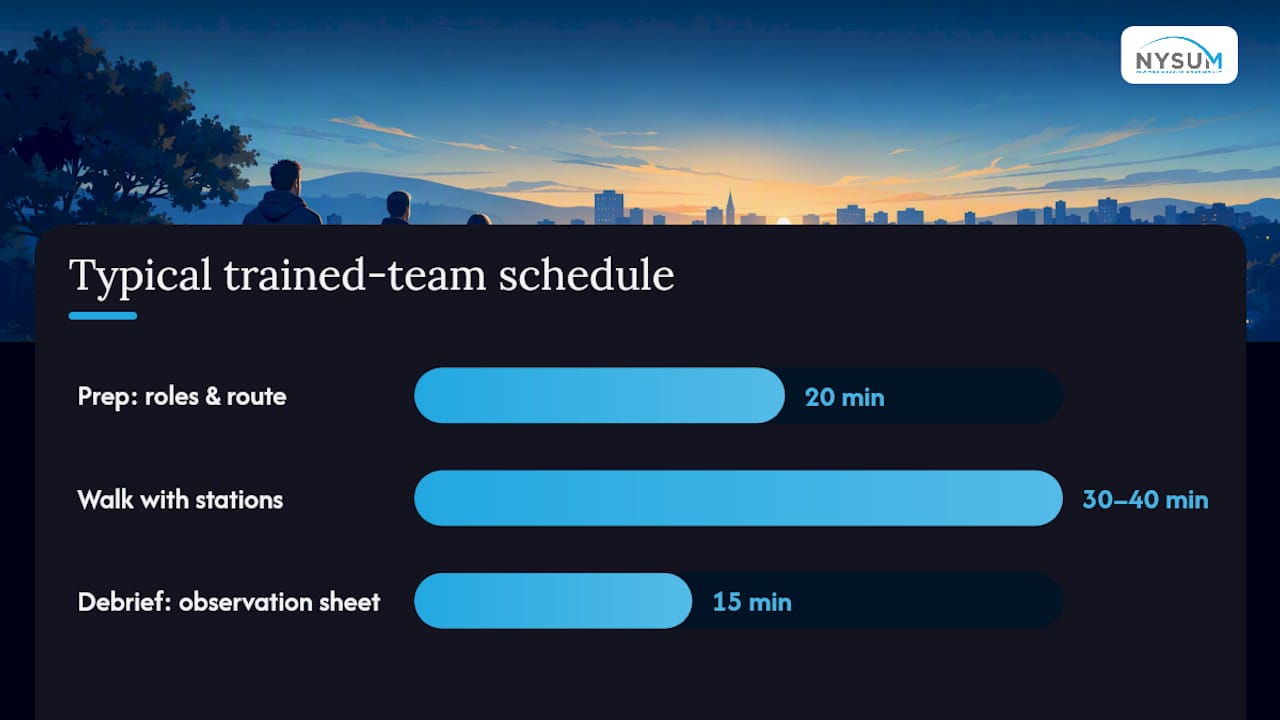
Groups that go through structured training tend to run tighter, safer walks because the roles, timing, and safety protocols are rehearsed before anyone steps outside. A typical trained-team schedule looks like this: a 20 minute prep session covering roles and route, a 30 to 40 minute walk with stations, and a 15 minute structured debrief with a written observation sheet.
Training highlights that separate a coached team from an improvised one include leader coaching on how to respond if approached, a clear safety protocol with emergency contacts assigned in advance, and printed station cards so no one has to think on their feet. NYSUM’s programs draw on hands-on outreach experience across New York City’s five boroughs, work reflected in NYSUM’s impact, including more than 16,500 meals served through related outreach initiatives.
Teams that rehearse roles and safety steps before a walk consistently report calmer, more focused prayer once they’re actually on the block.
Humility on a prayer walk isn’t a technique, it’s the whole posture. Curiosity about a place, rather than a plan to conquer it, changes how a team notices people and needs. Daily practices of quiet listening, even just five to ten minutes, build the muscle a good prayer walk requires.
Reading a guide gets you started; walking alongside a team that’s coached hundreds of leaders gets you further, faster. NYSUM trains churches, youth groups, and mission teams to run prayer walks as part of broader short-term outreach across New York City, pairing hands-on coaching with the same safety and station structure outlined above.

If your group is weighing a first prayer walk or planning a full mission trip that includes one, NYSUM’s ministry packages bundle training, lodging, and guided outreach so your leaders aren’t building a run sheet from scratch. Check package options and available dates to see what fits your group’s size and timeline.
Break it into four phases: a short gathering, an opening prayer, 20 to 40 minutes of walking or stations, and a debrief, following the same rhythm trained teams use with NYSUM.
This isn’t a standard part of prayer walk planning guidance, and no widely recognized leader resource defines three forbidden prayer times; focus instead on choosing safe daylight hours for your walk.
You walk through a route in pairs, observing your surroundings and praying aloud or silently for homes, schools, businesses, and people you pass, often pausing at set stations tied to a theme.
Definitions of a “seven steps” prayer framework vary by tradition; for a prayer walk specifically, the simpler sequence that works is prepare, plan, pair up, walk, pray, observe, and debrief.
Most first-time prayer walks take around half an hour to three-quarters of an hour, enough time for a short route with two or three stations and a debrief afterward.
Tel: 718.204.6471 | Email: info@nysum.org
This website uses cookies
We use cookies to personalise content and ads, to provide social media features and to analyse our traffic. We also share information about your use of our site with our social media, advertising and analytics partners who may combine it with other information that you’ve provided to them or that they’ve collected from your use of their services.
Cookies are small text files that can be used by websites to make a user's experience more efficient.
The law states that we can store cookies on your device if they are strictly necessary for the operation of this site. For all other types of cookies we need your permission. This means that cookies which are categorized as necessary, are processed based on GDPR Art. 6 (1) (f). All other cookies, meaning those from the categories preferences and marketing, are processed based on GDPR Art. 6 (1) (a) GDPR.
This site uses different types of cookies. Some cookies are placed by third party services that appear on our pages.
You can at any time change or withdraw your consent from the Cookie Declaration on our website.
Learn more about who we are, how you can contact us and how we process personal data in our Privacy Policy.
Please state your consent ID and date when you contact us regarding your consent.