November 5, 2026
A practical guide to domestic mission trips for churches, youth and college groups: what the work looks like, how to prepare safely, and what NYC trips cost.

We also accept other Non-Traditional Gifts.
Click here to learn more
We also accept other Non-Traditional Gifts.
Click here to learn more
We also accept other Non-Traditional Gifts.
Click here to learn more
We also accept other Non-Traditional Gifts.
Click here to learn more
We also accept other Non-Traditional Gifts. Click here to learn more
We also accept other Non-Traditional Gifts. Click here to learn more
Homeless Outreach Training: How to Prepare Your Group
October 28, 2026
Domestic Mission Trips: How to Plan One That Serves
November 5, 2026New York School of Urban Ministry
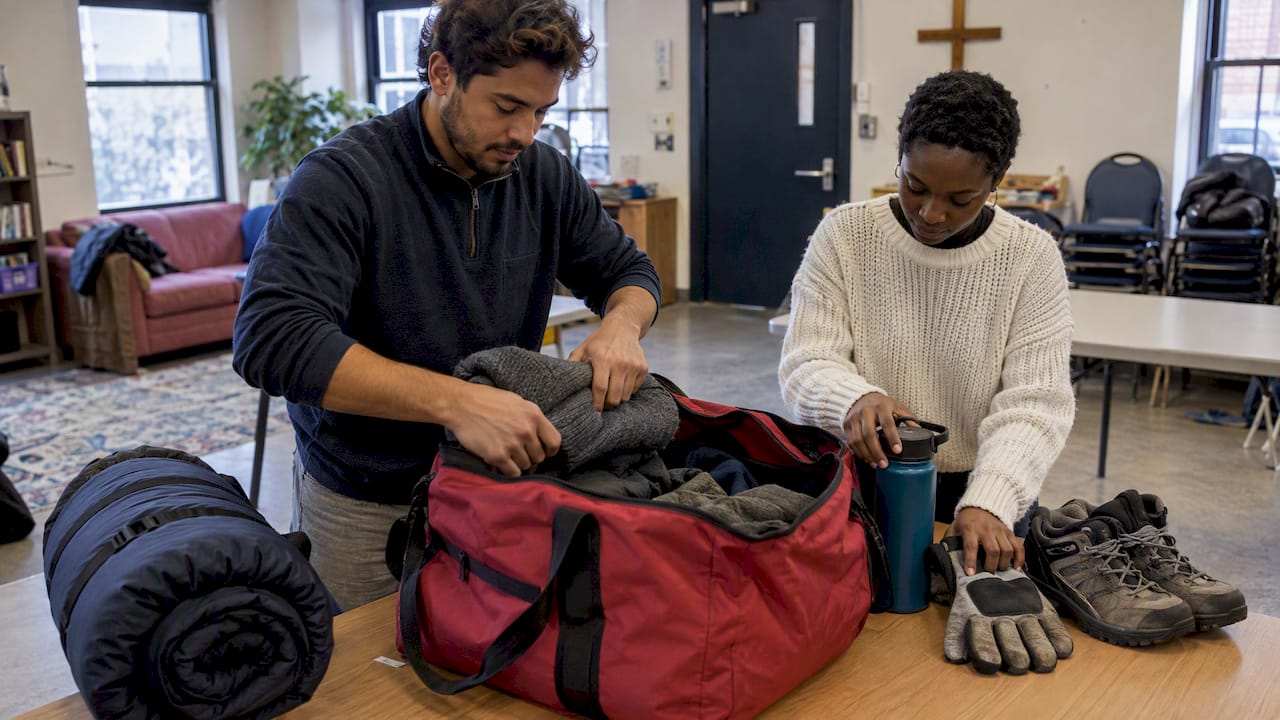
Pack light, pack for the work, and pack for the weather. A good mission trip packing list covers sleeping gear, toiletries, layered clothing, sturdy shoes, work gloves, a water bottle, a Bible or journal, and your documents. Then you adjust it for the place you are going and the ministry you will do. This guide walks through each category, with extra detail for teens, for winter trips and for urban trips like the ones we host in New York City.
Some items belong on every list, whether you are headed overseas, to a rural worksite or to a city block in the Bronx. Think of them in five groups.
Documents and money
Sleeping and personal care
Practical gear
Spiritual preparation
Comfort for long days
This is the core. Everything after this is adjustment.
The same duffel does not fit every trip. Three questions shape what goes in it.
Where are you going, and what is the climate? Clothing and footwear should match the climate, the local culture and the kind of work you will do. Catholic World Mission’s guidance is to ask trip leaders what is practical, learn what resources are available on site, and find out whether the group provides items such as a first-aid kit. That last point saves a lot of duplicate packing.
How long is the trip? A weekend needs three or four days of clothes at most. A week means planning for laundry access or for wearing items more than once. Repeat-wear clothing is a good idea on any trip. The Yale list asks teens to bring enough repeat-wear clothing rather than a different outfit for every day.
What will you actually do? Serving in a soup kitchen, walking neighborhoods for prayer, running a children’s program and doing a cleanup project all call for different footwear and clothing. Closed-toe shoes are the safe default for anything involving food service, lifting or standing on concrete.
Clothing is where most people overpack. A simple formula works.
Leave behind clothing you would hate to see stained, torn or lost. Mission days are active, and city days are long on foot.
If your trip includes building, painting, cleanup or sorting donations, a few items matter more than they look.
Ask your coordinator whether tools and protective gear are supplied. Many hosts have what you need, and your job is to bring your own gloves and shoes.
Student trips need a little more structure. The Yale Youth Ministry Institute’s list is a helpful model. It asks teens to bring a backpack, sleeping bag and pillow, toiletries, towel and shower shoes, sneakers, work boots, a water bottle, a flashlight, work gloves and goggles, enough repeat-wear clothing and two church-appropriate outfits. It also asks 18-year-olds to carry government ID and everyone to bring an insurance card copy.
Leaders should check two rules on that list before departure day: a 50-pound bag limit and a no-cell-phone-or-computer policy. Your own group may set different limits, so write yours down and send it to parents at least two weeks ahead.
A few leader habits help:
Before departure, also confirm that your sending organization has the right coverage in place. Your church or ministry should know what its insurance coverage for nonprofits includes, and families should keep a copy of their own health insurance card with the student.
Winter trips are some of the most meaningful, because cold weather raises the stakes for people living outside. They also require real preparation for the volunteers.
For a cold-weather youth trip, the Yale list specifies a heavy winter coat, gloves or mittens, a hat, a scarf, a fleece or sweatshirt, winter-appropriate casual clothing, comfortable shoes, work boots, and work gloves and goggles. Layering is recommended because temperatures change over the day.
New York City’s emergency management and health agencies give cold-weather guidance that applies to any outdoor volunteer:
Turn that into a packing checklist:
| Item | Why it matters |
|---|---|
| Heavy winter coat | Your main defense during hours outside |
| Hat, scarf and gloves or mittens | Cover the fingertips, ears and nose that cold hits first |
| Fleece or sweatshirt | A removable middle layer for heated buildings |
| Extra pairs of dry socks | Wet feet end a service day early |
| Waterproof or sturdy boots | Slush and sidewalks are hard on sneakers |
| Thermal base layer | Adds warmth without bulk under work clothes |
| Hand warmers | Useful during long outdoor outreach |
| Lip balm and lotion | Cold, dry air is hard on skin |
If you are bringing a coat to give away, pack it separately from your own clothing so it does not get mixed up.
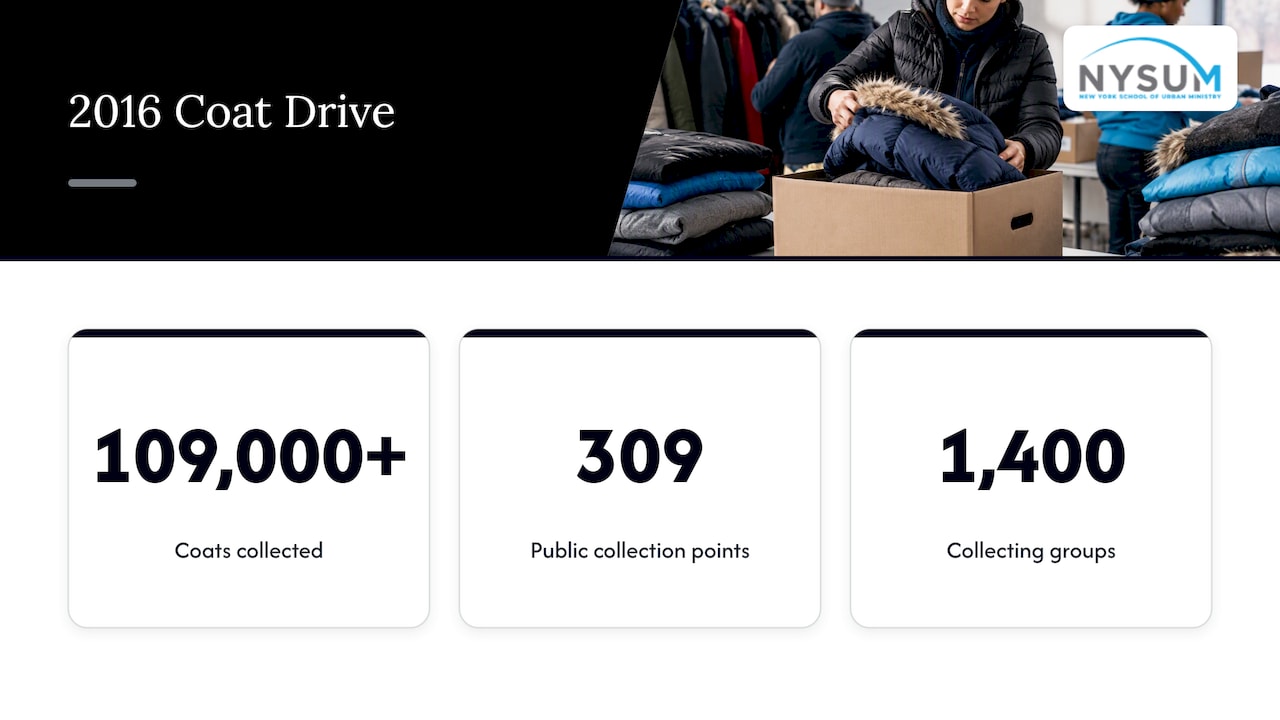
A coat drive is a simple, powerful way to serve in the colder months, and it is one reason churches choose winter trips. Citywide, New York Cares runs an annual coat drive from November through February and accepts new and gently used coats in children’s, women’s and men’s sizes. The scale is large: the 2016 drive collected more than 109,000 coats through 309 public collection points and 1,400 collecting groups.
If your church or youth group wants to collect items before it travels, the New York City Council’s clothing donation page lists locations and the items accepted, including coats, jackets, hats, gloves, scarves, socks and shoes. Check each site before you bring anything, since accepted items and hours differ by location.
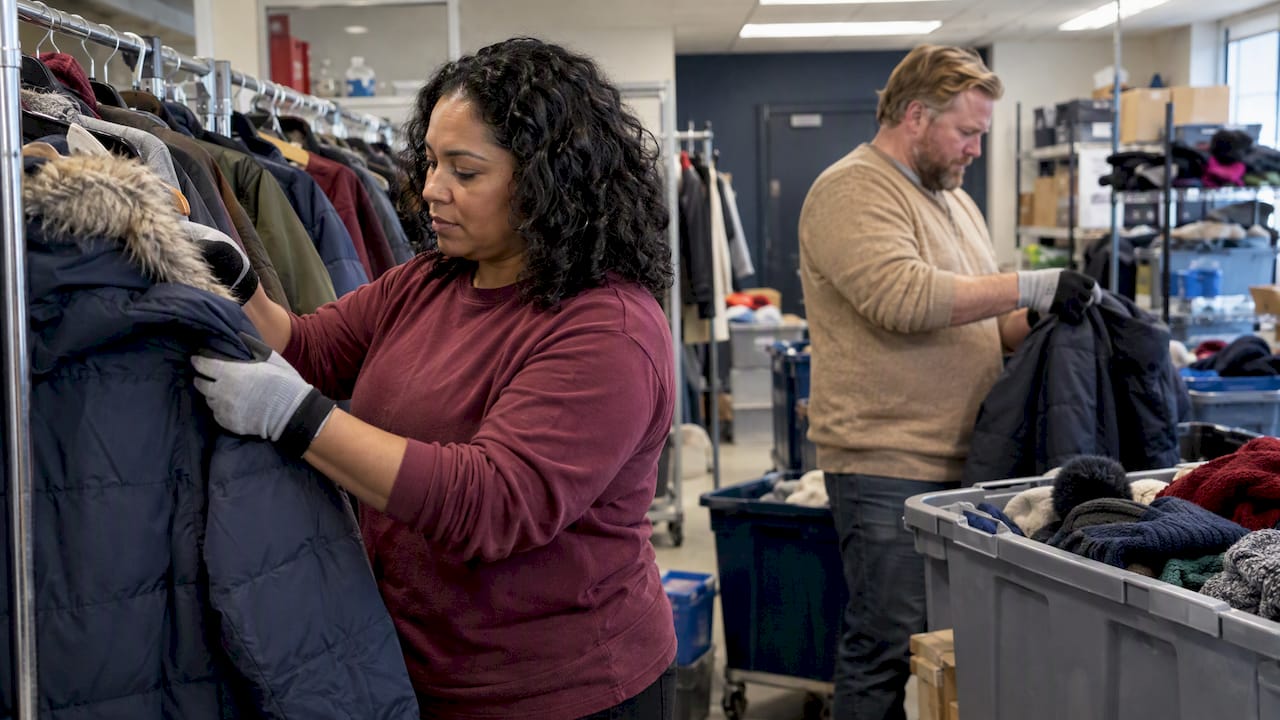
For volunteers handling donations, wear closed-toe shoes, dress warmly, and bring work gloves for sorting and lifting. Pack a pen and a notebook too, because you will want to record contact details for follow-up.
City trips have their own rhythm. You walk a lot, ride the subway, and carry what you need for the day.
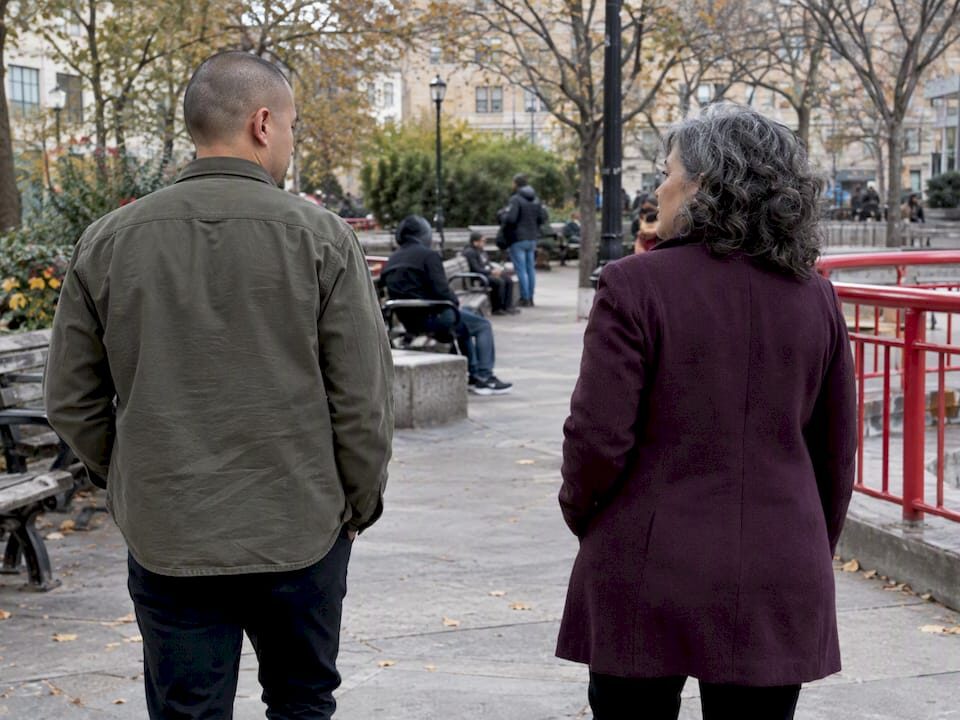
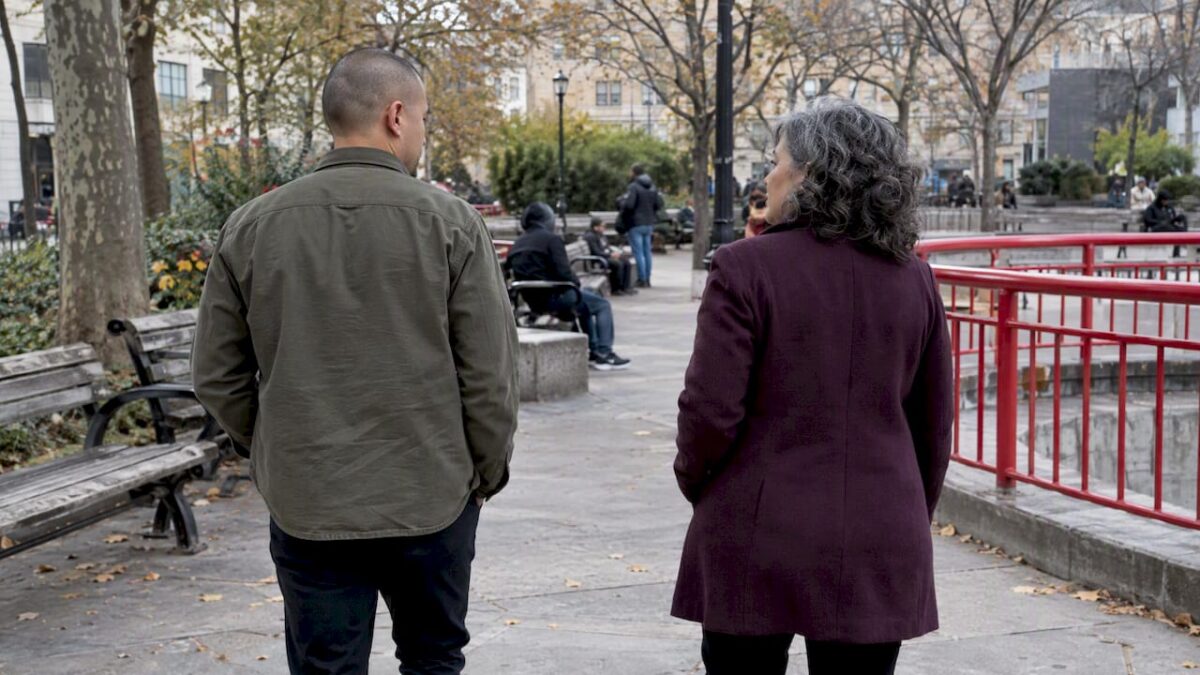
If your team will do street outreach, our homeless outreach training guide explains how to prepare your group before you arrive. Preparation on the front end shapes everything about how you serve once you are on the street.
No article can replace the person running your trip. Before you buy anything, ask:
If you are planning a trip for your church, our mission trip planning guide walks through timing, budgeting and leader roles.
Less is better. Skip:
A lighter bag leaves room for what you will bring back: stories, relationships and a deeper sense of what God is doing in a city.
We have trained and sent thousands of volunteers across the five boroughs, and we have seen the same pattern many times. The group that arrives prepared, with good shoes, warm layers and a clear picture of the work, can give its full attention to the people in front of it.
A packing list is a small act of discipleship. It says you are taking this seriously, that you plan to serve rather than be served, and that you respect the neighbors you will meet. Pack with humility. Bring what you need, leave what you do not, and expect to be changed.
That is why we pair real outreach with practical training. Our packages are built so your group knows what to expect before you step off the train: how the days are structured, what the ministry looks like and how to prepare. We invite you to put your faith into action with us in New York City.
Pastor Peter M. DeArruda NYSUM President
If this list has you thinking about a trip, we would love to host you. NYSUM offers short-term urban mission trip packages with ministry training and hands-on outreach, from a weekend to a full week. Published per-person prices on our reservations page include the Weekend Package at $241 to $251, the 3-Day Trip at $341 to $355 and the 5 Day Trip at $544 to $566. Meals can be added through our additional services page, where breakfast is $14 to $15, lunch is $16 to $17, bag lunch is $9 to $10 and dinner is $18 to $19.
Browse our ministry packages to compare trip options, or read about our week-long mission trips and weekend mission trips. Groups traveling from Texas, Florida, Ohio, Georgia, the Carolinas and beyond are welcome, and we can help you plan what to bring for the season you travel.
Bring ID, an insurance card copy, medications, toiletries, bedding if requested, layered clothing, comfortable shoes, a water bottle, a flashlight and a Bible or journal. Add work gloves and boots if you will do physical service. Then confirm the details with your trip coordinator.
That depends on your trip. One youth ministry list sets a 50-pound bag limit, but airlines and hosts differ. Ask your coordinator and check your airline’s current rules before you pack.
Teens should bring a backpack, sleeping bag and pillow, toiletries, towel, sneakers, work boots, work gloves, a water bottle and two church-appropriate outfits. Leaders should explain the phone policy and bag limit ahead of time.
Wear dry, warm layers, a hat or hood, a scarf and gloves, and cover exposed skin. City guidance says shivering is a sign to get indoors. Pack extra socks and sturdy, comfortable boots.
Tel: 718.204.6471 | Email: info@nysum.org
This website uses cookies
We use cookies to personalise content and ads, to provide social media features and to analyse our traffic. We also share information about your use of our site with our social media, advertising and analytics partners who may combine it with other information that you’ve provided to them or that they’ve collected from your use of their services.
Cookies are small text files that can be used by websites to make a user's experience more efficient.
The law states that we can store cookies on your device if they are strictly necessary for the operation of this site. For all other types of cookies we need your permission. This means that cookies which are categorized as necessary, are processed based on GDPR Art. 6 (1) (f). All other cookies, meaning those from the categories preferences and marketing, are processed based on GDPR Art. 6 (1) (a) GDPR.
This site uses different types of cookies. Some cookies are placed by third party services that appear on our pages.
You can at any time change or withdraw your consent from the Cookie Declaration on our website.
Learn more about who we are, how you can contact us and how we process personal data in our Privacy Policy.
Please state your consent ID and date when you contact us regarding your consent.