November 5, 2026
A practical guide to domestic mission trips for churches, youth and college groups: what the work looks like, how to prepare safely, and what NYC trips cost.

We also accept other Non-Traditional Gifts.
Click here to learn more
We also accept other Non-Traditional Gifts.
Click here to learn more
We also accept other Non-Traditional Gifts.
Click here to learn more
We also accept other Non-Traditional Gifts.
Click here to learn more
We also accept other Non-Traditional Gifts. Click here to learn more
We also accept other Non-Traditional Gifts. Click here to learn more

Food Pantry Ministry Trips: Why Trained Teams Serve Better
September 3, 2026
5 Youth Service Project Types in NYC That Respect Community Needs
September 13, 2026New York School of Urban Ministry

The most effective church outreach ideas for urban communities share one trait: they build sustained relationships instead of one-time service events. Start with an incarnational, asset-based approach, then choose from five idea categories: service, relational engagement, community events, youth and campus ministry, and digital or ongoing outreach. Measure success by tracking one thing above all else: whether relationships and locally defined outcomes actually continue past launch day.
TL;DR:
- Building sustained relationships through repeated service and relational engagement, rather than one-time events, is essential for urban outreach success.
- Service activities like mobile food carts, laundry nights, and pop-up clinics work best when partnered with established local organizations to avoid duplication.
- Relational approaches such as prayer walks, porch visits, and community listening sessions foster trust in neighborhoods with high mobility and distrust.
- Effective outreach requires careful planning, including defining specific target groups, setting measurable outcomes, and securing permits and safety protocols early.
- Partnering with local assets and leaders, practicing trauma-informed engagement, and ensuring legal and cultural considerations are met strengthen long-term impact and credibility.
Urban ministry works differently than suburban or rural outreach because density changes everything. A single city block might hold more people, languages, and needs than an entire rural county, which is why urban outreach activities for churches have to be organized by theme rather than treated as a grab bag of random projects. Below is a working inventory, grouped so a ministry coordinator can match effort level and available volunteers to the right starting point.
Service-based outreach meets physical needs directly and tends to build the fastest trust in dense neighborhoods.
Relational outreach is slower and less measurable, but it’s what turns a service project into an actual relationship. Urban discipleship approaches built on presence and listening tend to outperform program-heavy models in cities, largely because high mobility and distrust are the norm, not the exception, in urban discipling contexts.
Community events draw larger numbers quickly, but they work best as an entry point, not the whole strategy.
Youth and campus outreach addresses one of the most requested needs in urban ministry: mentorship for young people navigating unstable environments.
Digital and ongoing outreach extends your reach between in-person events and keeps relationships warm.
Pro Tip: Pick two or three ideas from different categories rather than one from each. A service idea paired with a relational idea builds trust fastest because people see you both giving and staying.
A good idea fails without a plan. Use this sequence to move from concept to execution.
Pro Tip: Ask the partner business or nonprofit hosting your event what “success” looks like from their side before you plan a single detail. Their answer often reshapes your whole approach in ways a planning meeting among church staff alone never would.
Sustainable urban ministry depends less on programs than on partnerships that outlast any single volunteer team. Asset-based community development (ABCD) starts from a different question than most outreach: instead of asking what a neighborhood lacks, it asks what strengths, leaders, and institutions already exist there, and builds outreach around those existing community assets.
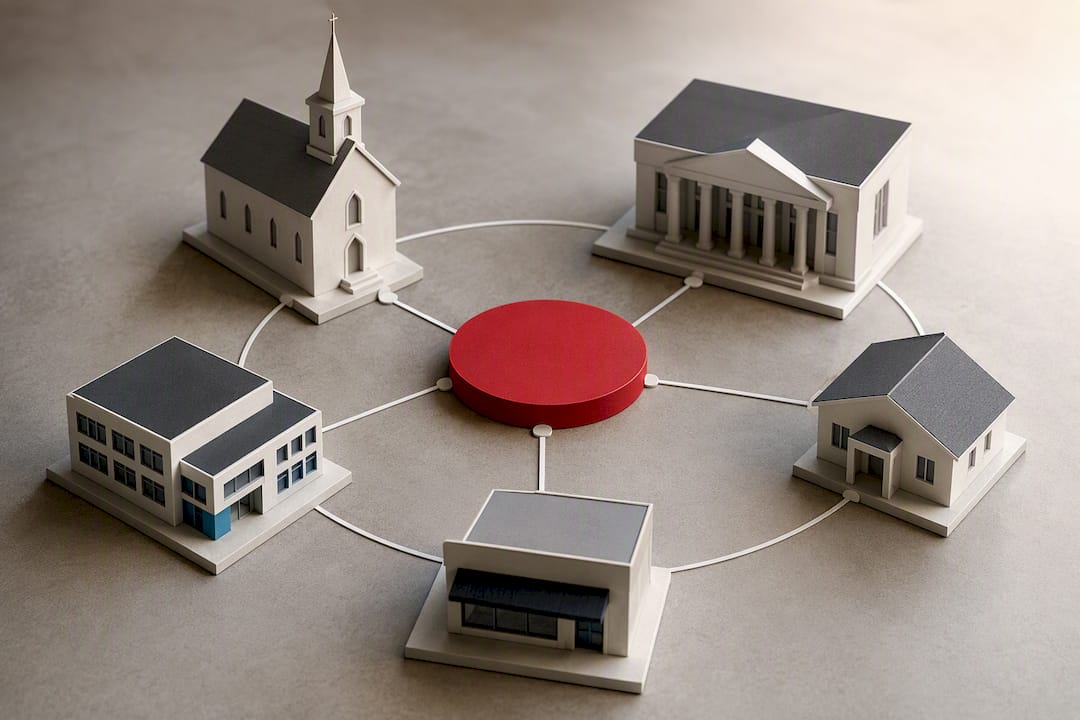
This matters because analyses of short-term mission models show that roughly 82% of funds raised often go to travel and logistics, with only about 18% reaching the actual recipient community. That imbalance is exactly what asset-based partnership is designed to correct, since it channels effort into local capacity rather than imported programs.
Follow these steps to build real partnerships rather than transactional ones:
Preparation determines whether well-meaning volunteers help or accidentally harm the relationships you’re trying to build. A short, structured training does more good than a long lecture nobody remembers.
Cover these core areas before any volunteer sets foot in the field:
Run this training in two parts: a 60 to 90 minute pre-event orientation covering the topics above, followed by in-field mentoring where a first-time volunteer shadows an experienced one for their first shift. A short debrief closes the loop.
Every children’s or youth program needs a written child protection policy that includes background checks, a two-adult rule for any one-on-one interaction, and a reporting procedure for concerns. NYSUM’s own guide to background checks for church volunteers walks through what a basic policy should include.
Pro Tip: Invite a local pastor or community leader to co-teach part of the training. Their perspective on neighborhood-specific dynamics will catch blind spots no outside training manual can anticipate.
Numbers alone won’t tell you if outreach is working, but tracking nothing guarantees you’ll never know either.
Track a short list of quantitative markers after every outreach event: total contacts made, repeat visitors compared to first-timers, meals or services delivered, and referrals to partner organizations. These numbers matter less individually than they do as trends across months.
Pair that data with qualitative feedback:
Set a simple cadence: log outcomes within 48 hours of an event, review trends monthly, and hold a full partnership review every quarter with your community partners present. Use what you learn to adjust programming, not just to fill out a donor report. A metric that never changes anything you do is a metric not worth collecting.
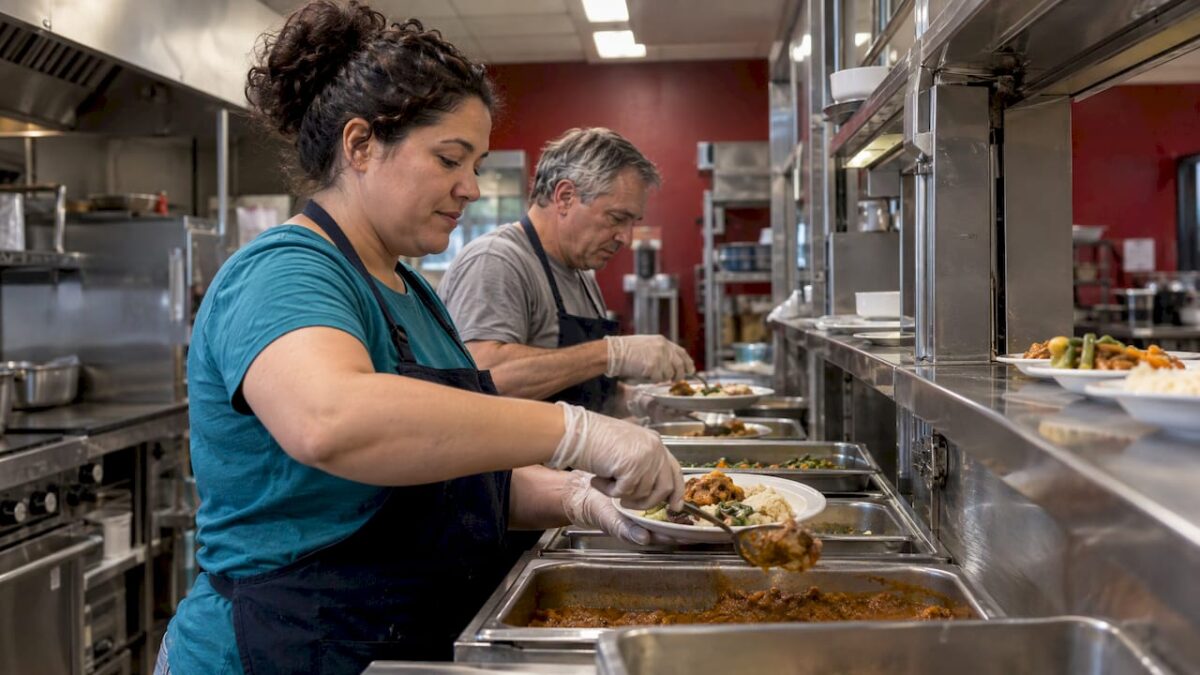
NYSUM trains many people annually and serves meals through hands-on outreach initiatives across New York City’s five boroughs. That scale exists because training comes before deployment, not after.
Program elements include:
A church, youth group, or college ministry ready to move from planning to doing typically starts by reviewing available mission trip packages and choosing dates that fit their group’s calendar. Case study details and participant reflections from specific NYSUM trips are available through the organization’s ongoing impact reporting.
Cities compress need and opportunity into small geographic spaces in ways suburban and rural ministry rarely encounter. A single subway stop can separate a gentrifying block from a struggling one, and a single apartment building might house a dozen languages and income levels under one roof.
Housing instability shapes almost everything in urban outreach. Families move frequently, whether by choice or displacement, which means the relationship-building timelines that work in stable communities need compressing without becoming shallow. High population density also means visibility works differently. A church that shows up once gets noticed by hundreds of people, for better or worse, so first impressions carry outsized weight.
Urban neighborhoods also carry real diversity in income, immigration status, and cultural background, often within a few blocks. A program designed around one group’s needs can miss or alienate another group entirely. Distrust of outside institutions, including churches, runs higher in cities that have seen well-intentioned programs arrive and disappear. Effective urban ministry requires understanding that cities are strategic, not just needy; density and diversity create real openings for gospel work when churches move past fear and isolation rather than retreating from complexity.
Urban neighborhoods rarely fit one demographic profile, which means a single outreach strategy will always underserve part of the community it’s trying to reach.
Start by mapping who actually lives in the target area, not who you assume lives there. Language, generation, immigration status, and income level all shape what kind of outreach will land well. A program built for English-speaking families won’t reach a Spanish-speaking or Mandarin-speaking household next door without translation and culturally specific invitation.
Diaspora community leaders are often the fastest, most respectful entry point into a specific cultural group. Rather than launching a program aimed at a community from the outside, invite an established leader from within that community to co-design and co-lead it. This single shift, letting local leaders shape the invitation rather than just receive it, tends to matter more than any marketing tactic.
Socioeconomic diversity requires similar care. A block party that assumes everyone can pay for a ticket, or a workshop that assumes reliable internet access, quietly excludes the very people outreach is meant to serve. Offer multiple entry points at different costs and formats: free and paid, in-person and digital, daytime and evening, so participation isn’t limited by circumstance. Strategic collaboration across cultural lines, rather than isolated single-group programming, tends to produce the most durable urban ministry results.
Urban outreach regularly puts volunteers in contact with people who have experienced housing instability, violence, addiction, or family separation. A trauma-informed approach changes how outreach is designed, not just how volunteers are trained.
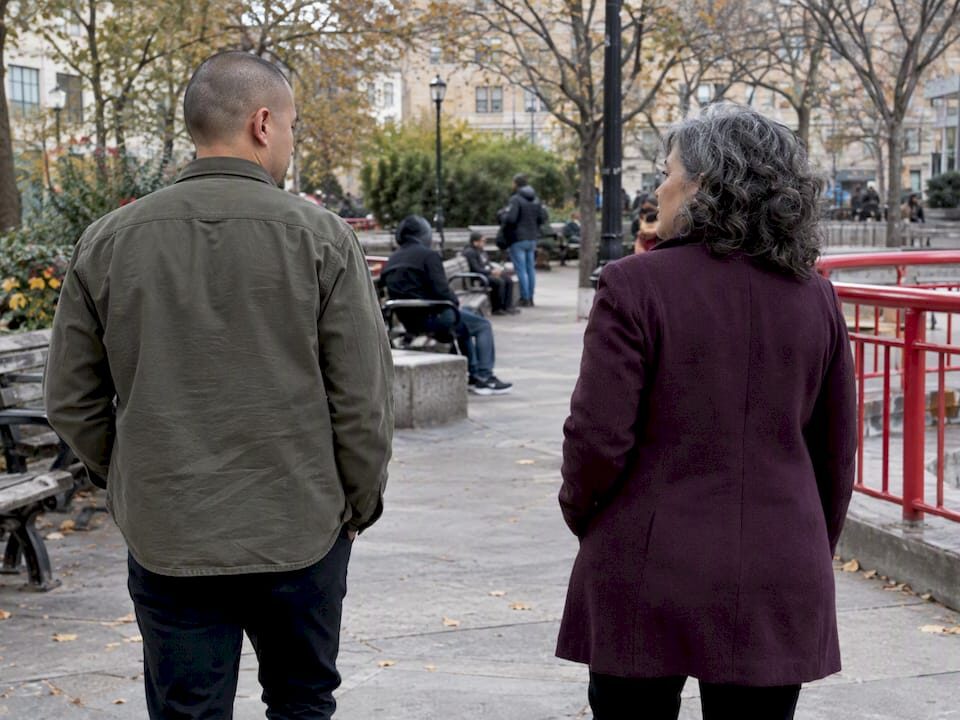
Practically, this means avoiding outreach models that pressure people to share painful personal stories in exchange for services or attention. It means recognizing that someone’s guarded or distant reaction may reflect past experience with institutions, not indifference to your church. Flexible meeting spaces matter here too: some people engage more openly in a park or storefront setting than inside an unfamiliar church building, and effective urban discipleship models build around that flexibility rather than expecting people to come to you.
Trauma-informed outreach also means giving people control over their own participation. Offer choices rather than prescribed steps, let people opt out of prayer or conversation without judgment, and never make material aid conditional on religious participation. Consistency over time does more to build trust with people who have experienced instability than any single, well-intentioned gesture. A team that shows up the same day every week, even in small ways, communicates safety in a way a single large event cannot.
Urban neighborhoods already have infrastructure. Ignoring it and building parallel programs wastes effort and can compete with organizations already doing good work.
Community boards, public libraries, school family liaisons, and neighborhood associations typically know a block’s needs better than any outside team could learn in months. Building a relationship with a librarian or a school’s family coordinator can open doors that months of independent outreach can’t. Local business owners, especially those who have operated for years in one location, often function as informal community hubs and can offer both insight and physical space for events.
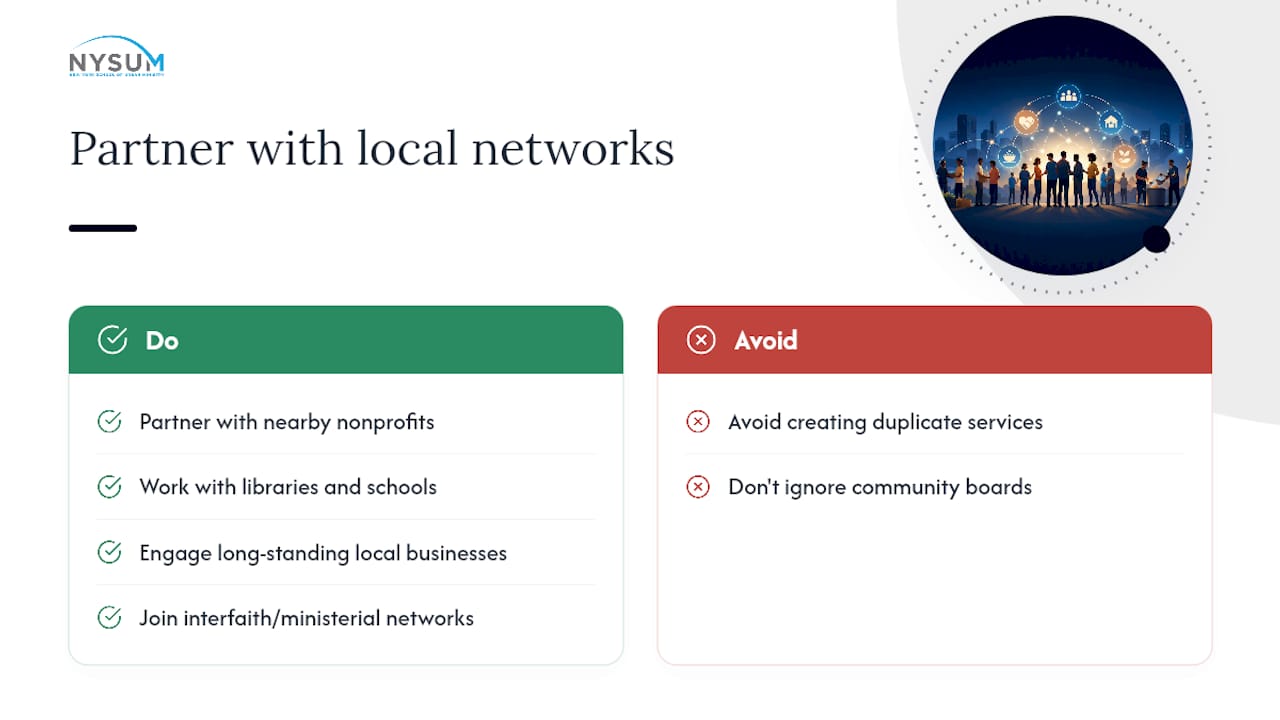
Existing nonprofits and social service agencies are frequently underused partners rather than competitors. A church doesn’t need to build its own food pantry, legal clinic, or job training program when a well-run one already exists two blocks away; partnering with it, staffing it, or funding it usually accomplishes more than duplicating it. Interfaith networks and ministerial associations, common in dense urban areas, can also connect a visiting or new church to relationships built over decades. The fastest way to lose credibility in an urban neighborhood is to arrive acting as though nothing existed before you did.
Urban outreach touches more regulatory and ethical territory than most churches expect, and skipping this step creates real liability.
Permits are the most immediate legal consideration: most cities require permits for events in parks, on sidewalks, or in parking lots, and food service events may need separate health department approval depending on what’s served and how. Apply well ahead of your event date, since urban permitting offices often have longer queues than suburban or rural counterparts.
Legal aid, immigration guidance, and medical care must come from licensed professionals, never from well-meaning volunteers offering informal advice. A church hosting a legal or medical clinic should partner with a licensed nonprofit or professional and clearly communicate that boundary to attendees.
Ethically, informed consent matters in outreach the same way it matters in any service relationship. People receiving aid should understand what’s being offered, whether there’s any expectation attached, and that declining prayer or a conversation about faith carries no penalty. Photography and storytelling deserve particular care: never photograph or share someone’s image, especially children’s, without clear consent, and avoid using someone’s hardship as promotional content without their knowledge. Data privacy applies too; any intake forms collecting names, addresses, or immigration status need a clear plan for secure storage and limited access.
Urban outreach fails most often not from lack of compassion but from impatience. Churches want visible results fast, and cities rarely offer them on that timeline. The neighborhoods NYSUM serves across New York City’s five boroughs have seen plenty of teams arrive with good intentions and disappear after one trip. What changes a block isn’t the size of an event. It’s whether the same faces show up again next month, and the month after that.
I’ve watched teams from small congregations in places like rural Georgia or suburban Ohio arrive nervous about the city and leave asking when they can come back, not because the work got easier, but because they finally saw a neighborhood as people instead of a project. That shift is the whole point of incarnational ministry: presence over performance.
If your church, youth group, or campus ministry is ready to move past inspiration and into sustained action, NYSUM’s training exists to prepare you for exactly that kind of long-term impact.
— Pastor Peter M. DeArruda NYSUM President
Reading this list is one thing. Standing in a Bronx housing complex handing out breakfast at 7 a.m. is another. NYSUM exists to close that gap for churches, youth groups, and college ministries who want hands-on urban ministry experience without having to build every relationship, permit, and partnership from scratch.
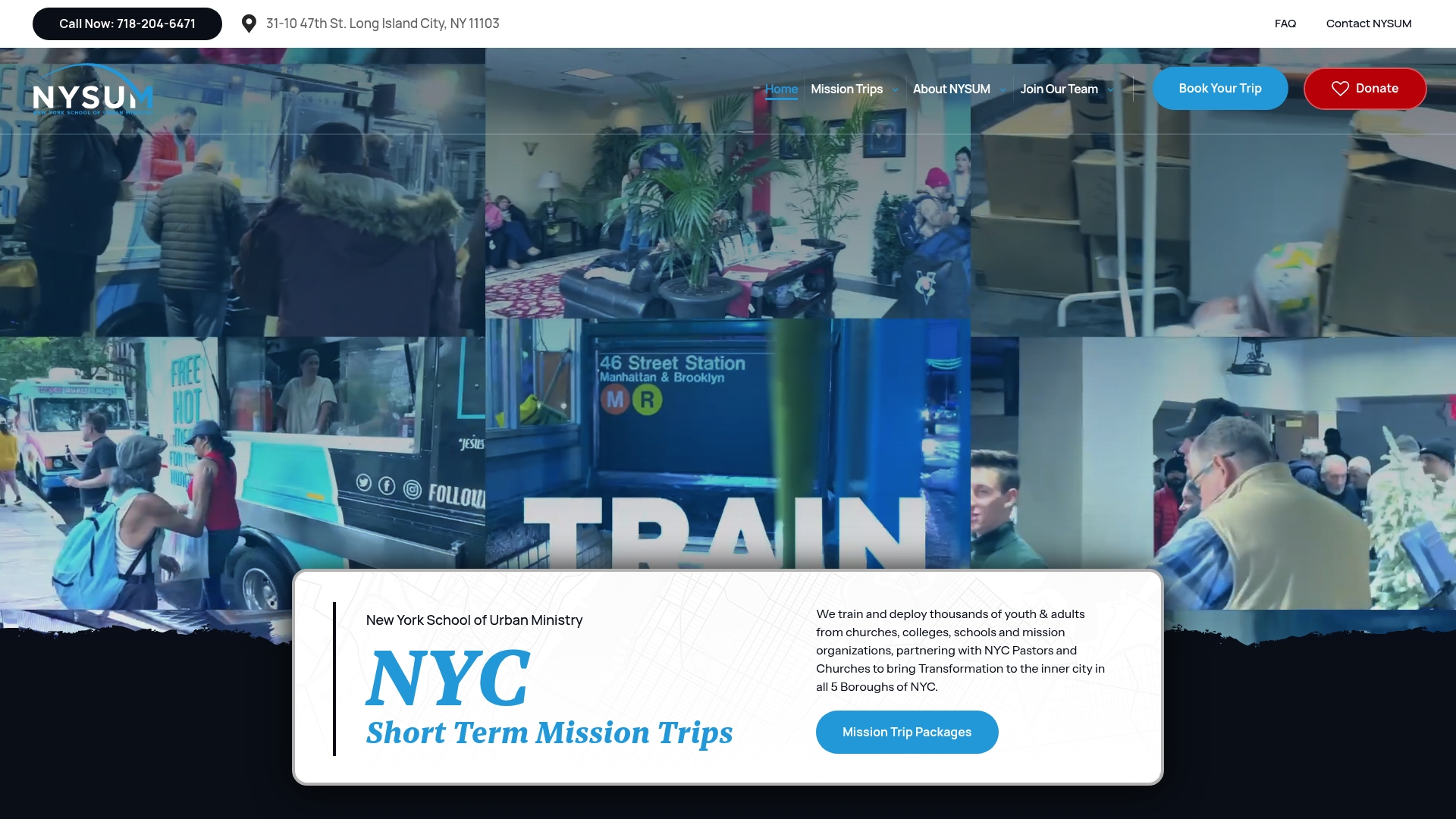
Whether your group is coming from Texas, Georgia, Ohio, Tennessee, or anywhere in between, NYSUM’s urban mission trips pair immersive training with real outreach: food distribution, prayer walks, street evangelism, and children’s programs across New York City’s five boroughs. Packages include lodging and meals so your team can focus on ministry instead of logistics, and ministry training programs prepare volunteers with the cultural awareness and practical skills this article covers before they ever step off the bus.
Pastors, youth leaders, and mission trip coordinators ready to bring a group should explore trip dates and request a planning call to talk through group size, budget, and timing. A short-term trip with NYSUM can be the entry point your church needs to grow in faith while making a genuine, lasting impact in one of the most diverse mission fields in the country.
For readers who want to go deeper on the research and frameworks behind this guide, these sources cover urban ministry principles, ethical short-term mission design, and asset-based development in more depth.
Laundry love nights, mobile coffee carts on commute corridors, and diaspora-led cultural celebrations tend to stand out because they meet practical needs while respecting a neighborhood’s existing culture rather than importing an unfamiliar program.
Common examples include soup kitchen partnerships, mobile food pantries, tutoring and mentorship programs, job fairs, prayer walks, community health fairs, block parties, and youth sports leagues, each suited to different capacity levels and neighborhood needs.
Definitions of this rule vary by church and denomination, and no single standard applies universally, so churches should clarify locally what percentage of budget or volunteer hours they’re targeting for outreach versus internal operations.
The most durable approach combines a service activity, like food distribution, with a relational one, like prayer walks or stoop visits, so the church builds trust through consistent presence rather than a single event. Groups looking for a structured way to start often begin with a short-term mission trip that includes built-in training, like the programs NYSUM offers in New York City.
Tel: 718.204.6471 | Email: info@nysum.org
This website uses cookies
We use cookies to personalise content and ads, to provide social media features and to analyse our traffic. We also share information about your use of our site with our social media, advertising and analytics partners who may combine it with other information that you’ve provided to them or that they’ve collected from your use of their services.
Cookies are small text files that can be used by websites to make a user's experience more efficient.
The law states that we can store cookies on your device if they are strictly necessary for the operation of this site. For all other types of cookies we need your permission. This means that cookies which are categorized as necessary, are processed based on GDPR Art. 6 (1) (f). All other cookies, meaning those from the categories preferences and marketing, are processed based on GDPR Art. 6 (1) (a) GDPR.
This site uses different types of cookies. Some cookies are placed by third party services that appear on our pages.
You can at any time change or withdraw your consent from the Cookie Declaration on our website.
Learn more about who we are, how you can contact us and how we process personal data in our Privacy Policy.
Please state your consent ID and date when you contact us regarding your consent.