November 5, 2026
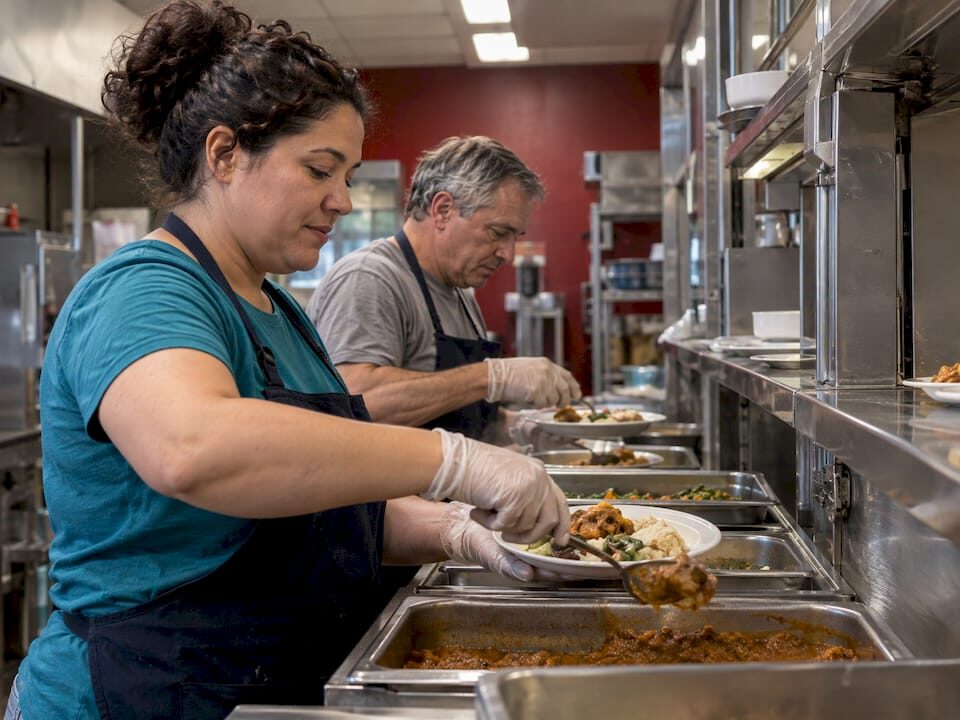
A practical guide to domestic mission trips for churches, youth and college groups: what the work looks like, how to prepare safely, and what NYC trips cost.

We also accept other Non-Traditional Gifts.
Click here to learn more
We also accept other Non-Traditional Gifts.
Click here to learn more
We also accept other Non-Traditional Gifts.
Click here to learn more
We also accept other Non-Traditional Gifts.
Click here to learn more
We also accept other Non-Traditional Gifts. Click here to learn more
We also accept other Non-Traditional Gifts. Click here to learn more

Creative Street Evangelism Ideas That Start With Listening
October 19, 2026
Homeless Outreach Training: How to Prepare Your Group
October 28, 2026New York School of Urban Ministry
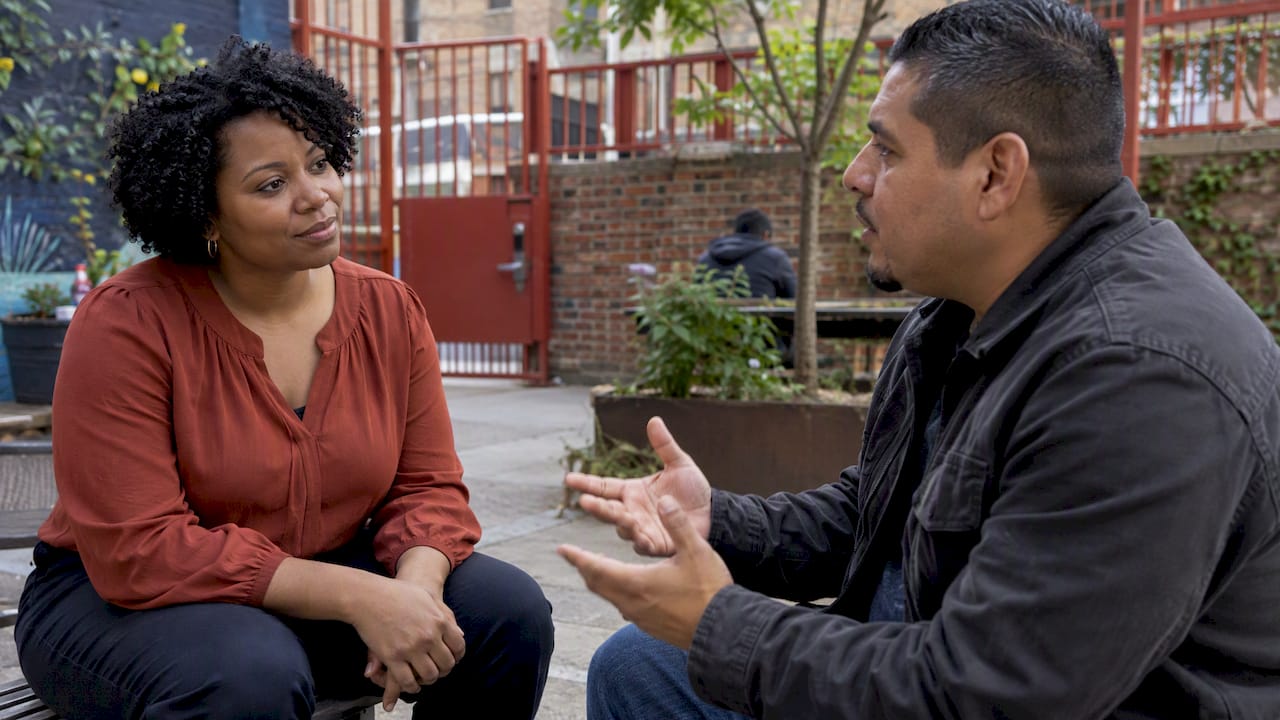
Urban apologetics is the work of answering the questions people in dense, diverse cities actually ask about the gospel, in the places where they ask them. It is not a debate technique borrowed from a suburban lecture hall. It is listening first, knowing your neighbors’ history and beliefs, and then giving a faithful, humble answer for the hope you have. This guide explains what urban apologetics is, which questions it takes up in American cities, how it shapes cross-cultural evangelism and youth ministry, and how a church group can begin practicing it.
The term combines two concepts. Chris Brooks of The Hendricks Center at Dallas Theological Seminary describes the urban part as metropolitan areas marked by density and diversity, where culture is formed. The apologetics part is giving a defense of the Christian faith by answering the questions culture asks about the gospel. Brooks also observes that cities are places where worldviews clash, and he calls apologists to hear people’s questions on the ground.
That last phrase matters. Much traditional apologetics grew out of academic or suburban settings. Kregel’s description of the book Urban Apologetics notes that questions of race, equality, justice, sexuality, money, and economics in inner-city America are often not what suburban apologetics addresses. Urban apologetics begins with those questions instead.
The three overlap, but they are not the same.
The three belong together. A Biola article on the need for urban apologetics warns that apologetics cut off from evangelism is aimless and potentially dangerous, because it loses the purpose of bringing people to Christ. An answer with no love and no invitation is just an argument.
City residents bring a wide range of questions. Some are philosophical. Many are historical and personal.
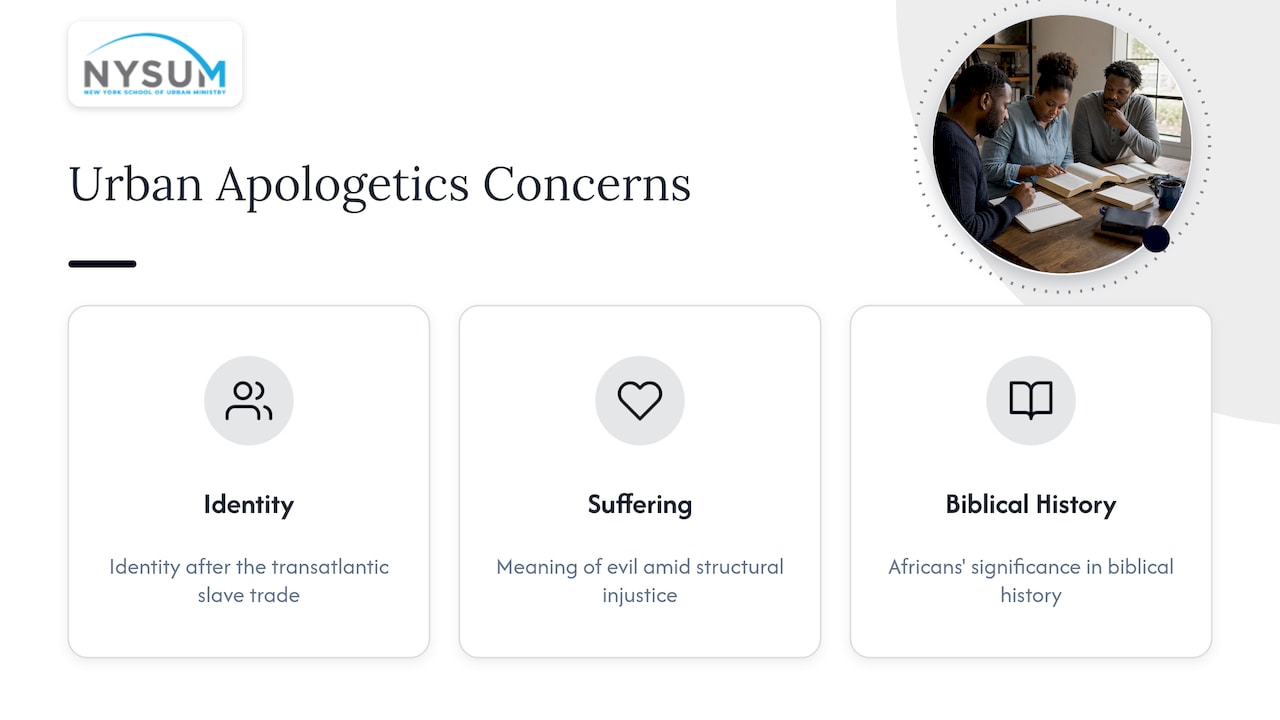
According to Biola’s writing on apologetics in the city, pressing issues in the Black community include historical and cultural identity after the transatlantic slave trade, the meaning of suffering and evil in light of structural injustice, and the significance of Africans in biblical history. These are not side topics. They are the reasons some neighbors have kept Christianity at a distance.
The book Urban Apologetics, edited by Eric Mason, addresses this directly. Its publisher describes how it confronts ethnocentric socioreligious groups, such as the Nation of Islam and Hebrew Israelite movements, that claim to offer an identity more native to African American history than Western Christianity. The book’s answer is to apply the gospel to restore Black dignity, rather than to dismiss those who ask.
History helps explain the pull. Christianity Today reports that the Great Migration moved millions of African Americans from the rural South to Northern cities, where they met an overwhelming array of religious options, which helped fuel urban folk religious movements. Scholar Ernest Cleo Grant II, quoted in the same article, notes that such groups can offer communal identity by speaking to pressing issues.
The lesson for a visiting church group is humbling. People rarely join a movement because of a bad argument alone. They join because it offers belonging, dignity, and answers. A faithful response has to offer all three, through a real church family and a real gospel.
Many people searching for cross-cultural evangelism want a method. The most useful one is old and simple: learn the person and the place before you speak.
A paper in Occasional Bulletin from the Evangelical Missiological Society describes training students to exegete the city through ethnographic research into a person’s life history, relationships, networks, interests, beliefs, and values, and then building a strategy to bridge the gospel into that community. The same paper argues for a “hermeneutic of culture,” which combines the study of culture and ethnicity with the study of Scripture.
In practice, that means:
These steps match what Christian bodies have long recommended. The World Council of Churches’ dialogue guidelines call for planning dialogue with partners, assessing local diversity and tensions, letting each participant define their own beliefs, and listening and learning reciprocally while sharing convictions without manipulation. The Evangelical Free Church of America’s Productive Conversations guide adds practical habits: honest, relationship-based conversation, open questions, empathetic listening, stating your view without trying to win, and respecting boundaries when someone is not interested or tension rises.
If you are choosing which approach fits which setting, our overview of the main types of evangelism and when to use each is a good companion.
Teenagers in a city bring their own culture, and every young person carries a different set of assumptions. The advice for youth leaders is consistent across traditions.
The Calvin Institute of Christian Worship recommends putting teenagers’ thoughts and questions at the center, making time for discussion, and creating safe spaces where youth can wrestle with biblical ideas and hear perspectives unlike their own. The article also encourages leaders to listen to experiences, invite those on the margins, and adapt gatherings as needed.
The United States Conference of Catholic Bishops’ 2025 implementation guidebook makes a similar point from another tradition: every young person has a unique story, and leaders should not replace direct understanding with broad trends or online impressions.
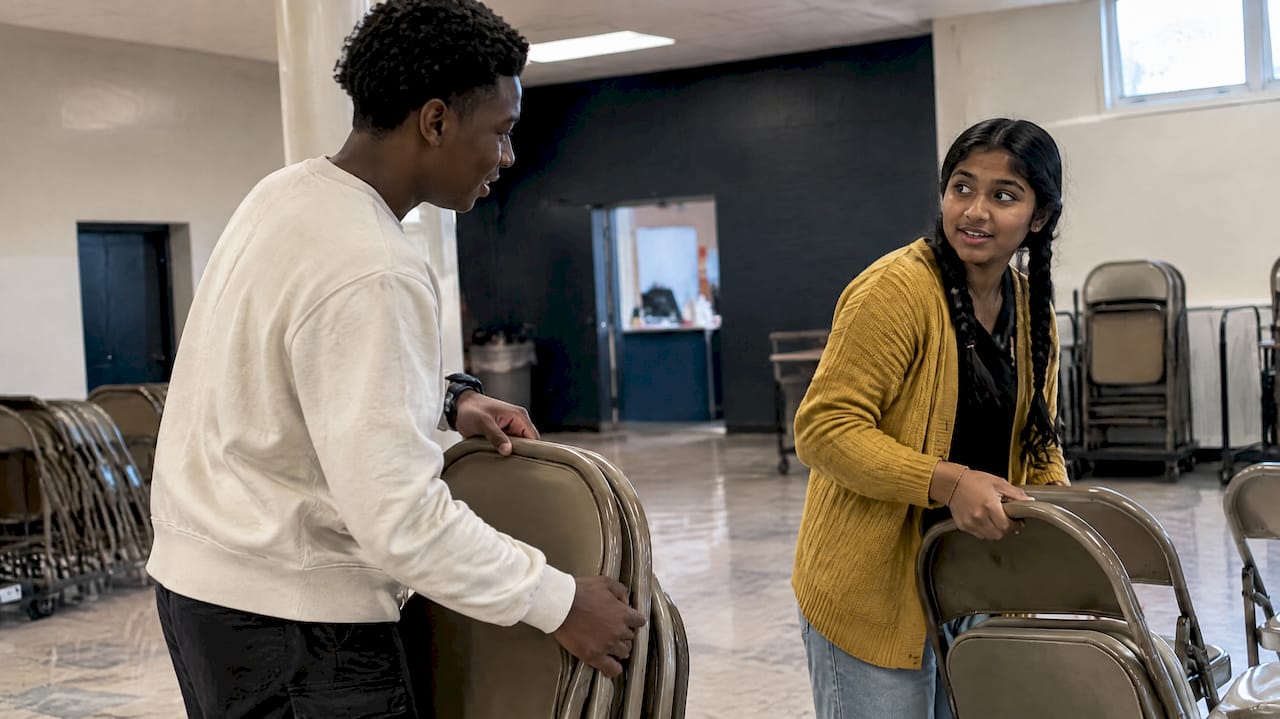
A model from Andrews University describes leaders as cultural brokers: liaisons, guides, mediators, and catalysts who connect youth culture and church culture, build trust with both, represent each fairly, and create settings where they serve together. Serving together is the key phrase. Teenagers often ask their hardest questions while stacking chairs or handing out food, not in a lecture.
The University of California Cooperative Extension defines intercultural competence as the capacity to shift cultural perspective, adapt to similarities and differences, and bridge cultural differences. The same guide says it develops through intentional, self-reflective effort, and reports that research associated with Hammer suggests 30 to 50 hours may be needed to show measurable gains. One weekend will not make anyone an expert. It can, however, start the habits that grow over a lifetime, and give a youth group real hours alongside neighbors who are different from them.
For groups planning this kind of experience, see our page on youth mission trips in New York City.
We train and send church groups, college teams, and volunteers into New York City’s five boroughs, and we have learned that the strongest answer to a hard question is often a faithful presence. Our approach pairs practical preparation with real outreach, working alongside local churches and communities to meet actual needs, rather than staging one-off events.
Here is what we have come to believe:
Our ministry training programs are built on this conviction, and you can read more about who we are on our about page.
— Pastor Peter M. DeArruda NYSUM President
Seminary programs in urban leadership point to the same need. Northern Seminary’s catalog describes training ministers to exegete urban contexts with ethnographic skills, so they can stay faithful to the Bible while engaging systemic challenges such as incarceration and poverty in their neighborhoods.
Not every volunteer will enroll in a degree program, but every church can invest in its leaders. Many pastors and youth leaders also find it helpful to study how institutions and economic networks shape opportunity in the neighborhoods they serve, for example through a leadership and economic empowerment curriculum designed for Black professionals in the African diaspora. Understanding those realities makes your answers to questions about justice and money more credible.
A church or campus group does not need a philosophy degree to begin. Try this sequence.
Planning as a congregation? Our page on mission trips for churches walks through the details.
If you want your group to practice cross-cultural ministry in one of the most diverse cities in the world, we would love to host you. Our packages combine ministry training with outreach such as food service, prayer walks, and children’s programs. Published per-person prices on our reservations page include:
| Package | Published price per person |
|---|---|
| Discover NYSUM | $50 to $52 |
| Weekend Package | $241 to $251 |
| 3-Day Trip | $341 to $355 |
| 5 Day Trip | $544 to $566 |
| Single Outreach + Transportation | $28 to $29 |
Meals and extra services, such as breakfast at $14 to $15 or dinner at $18 to $19, are listed on our additional services page. Prices are as published on our site, so check the page for the current figures before you book. You can also compare formats on our ministry packages page, or browse weekend mission trips if your schedule is tight. Bring your group, put your faith into action, and let the city teach you how to listen.
It is defending and explaining the Christian faith to people in cities by answering the questions they genuinely ask. It pays attention to race, justice, identity, money, and suffering, and it is rooted in relationship and service rather than argument alone.
Traditional apologetics often grows from academic or suburban settings and addresses abstract objections. Urban apologetics begins with the lived questions of dense, diverse neighborhoods and the history behind them. The aim is the same: pointing people to Christ with reasons and love.
It teaches you to learn a person’s story, relationships, and beliefs before presenting the gospel, an approach described as ethnographic listening. That makes your message more relevant and less likely to rely on stereotypes. It also keeps you respectful when someone is not ready to talk.
Start by listening to teenagers’ own questions, then serve alongside people from different backgrounds. A short-term trip with training, daily debriefs, and local church partners gives students real hours of practice. Our youth mission trips are designed for that purpose.
No. We prepare participants with training before outreach, and no one is asked to debate. Willingness to serve, listen, and learn is what we look for.
Tel: 718.204.6471 | Email: info@nysum.org
This website uses cookies
We use cookies to personalise content and ads, to provide social media features and to analyse our traffic. We also share information about your use of our site with our social media, advertising and analytics partners who may combine it with other information that you’ve provided to them or that they’ve collected from your use of their services.
Cookies are small text files that can be used by websites to make a user's experience more efficient.
The law states that we can store cookies on your device if they are strictly necessary for the operation of this site. For all other types of cookies we need your permission. This means that cookies which are categorized as necessary, are processed based on GDPR Art. 6 (1) (f). All other cookies, meaning those from the categories preferences and marketing, are processed based on GDPR Art. 6 (1) (a) GDPR.
This site uses different types of cookies. Some cookies are placed by third party services that appear on our pages.
You can at any time change or withdraw your consent from the Cookie Declaration on our website.
Learn more about who we are, how you can contact us and how we process personal data in our Privacy Policy.
Please state your consent ID and date when you contact us regarding your consent.