November 5, 2026
A practical guide to domestic mission trips for churches, youth and college groups: what the work looks like, how to prepare safely, and what NYC trips cost.

We also accept other Non-Traditional Gifts.
Click here to learn more
We also accept other Non-Traditional Gifts.
Click here to learn more
We also accept other Non-Traditional Gifts.
Click here to learn more
We also accept other Non-Traditional Gifts.
Click here to learn more
We also accept other Non-Traditional Gifts. Click here to learn more
We also accept other Non-Traditional Gifts. Click here to learn more

Leadership Development: Emerging Leaders’ First 90 Days
October 14, 2026
Urban Apologetics: Defending the Faith in the City
October 26, 2026New York School of Urban Ministry
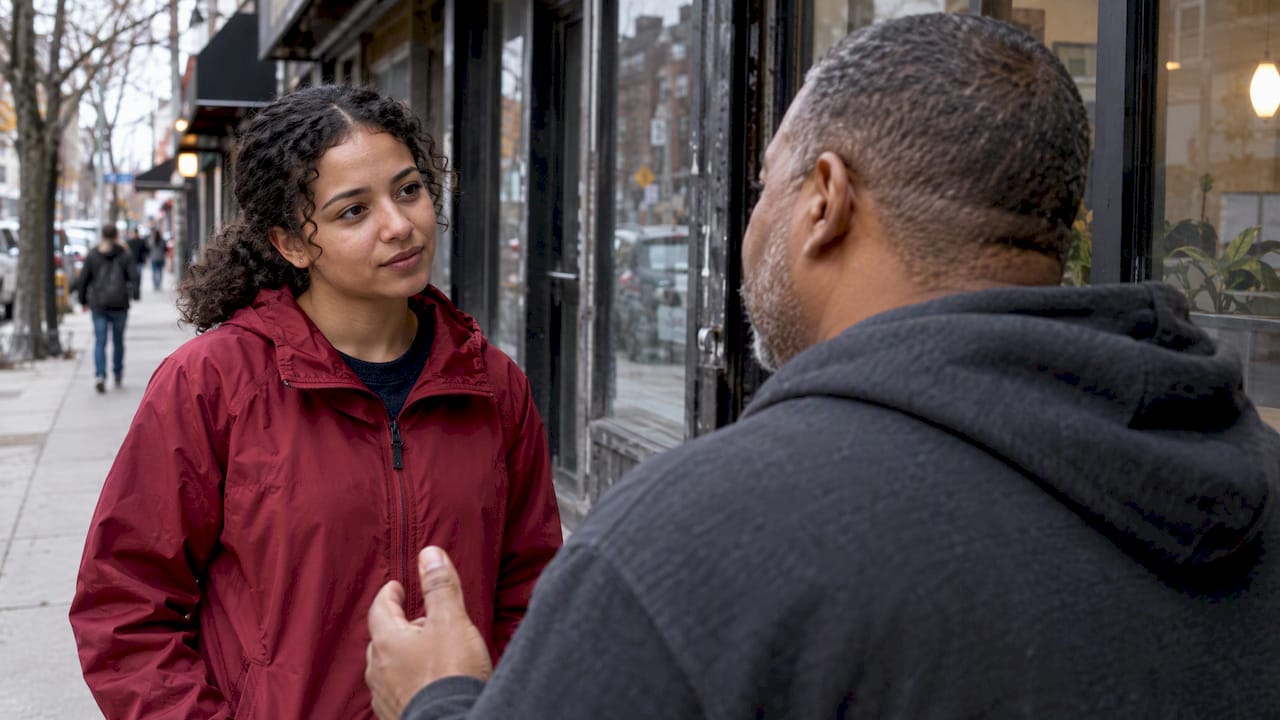
The most creative street evangelism ideas are rarely stunts. They are simple ways to meet a stranger, serve them, listen to their story and earn the right to talk about Jesus. This guide gives you practical ideas for church groups, youth teams and college ministries. It also covers what to train your team to do before they hit the sidewalk, and what to know if you plan to do this in New York City.
Most people are not waiting to be argued with. Barna Group research from 2019 found that 62% of non-Christians and lapsed Christians are open to talking about faith with someone who listens without judgment. Only 34% say they see that quality in the Christians they know. Meanwhile, 64% of Christians feel responsible to share their faith, yet only 19% say they actively create opportunities.
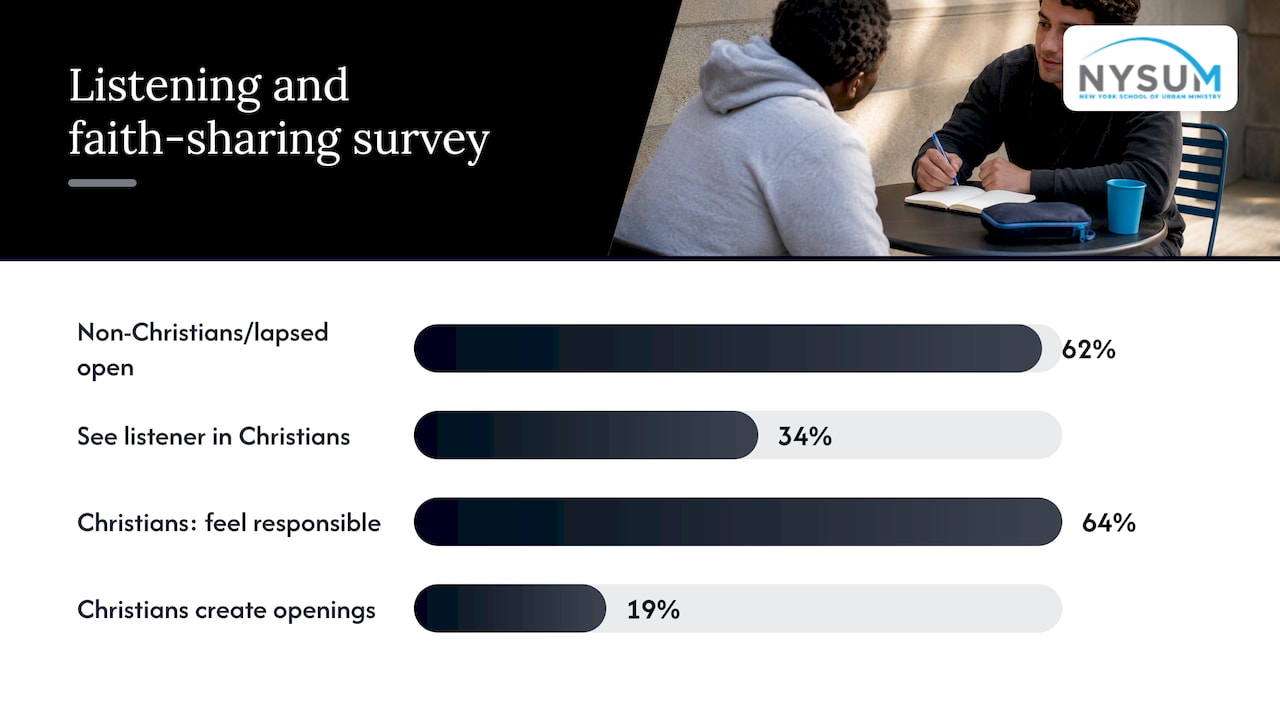
That gap is where creativity matters. The goal is not a more clever pitch. It is becoming the kind of person a stranger is glad to talk with.
The U.S. bishops’ guidance on sharing faith person to person makes the same point from a Catholic perspective: face-to-face contact that begins with listening and befriending is the foundation. A short conversation can be the start of a lifelong process of discipleship rather than a single moment of conversion. Sharing your own story or offering to pray is usually more fruitful than a public sermon or a debate.
We will use that as the test for every idea below: does it help people feel seen, or does it make them feel targeted?
Serving opens the conversation without forcing it. These ideas work in a city block, a college town or a small-town main street.
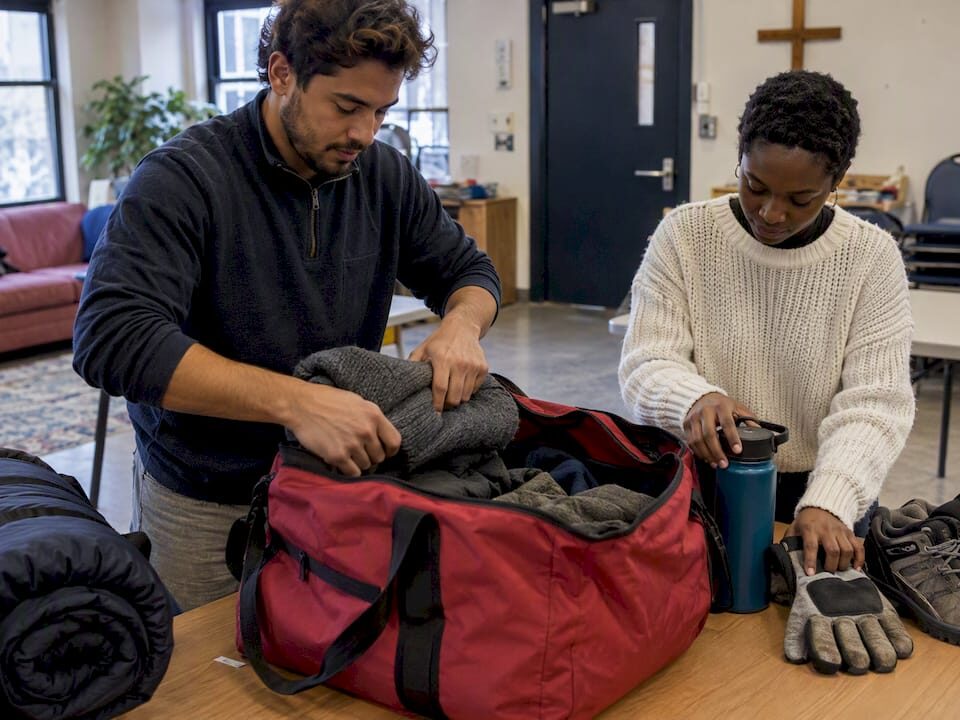
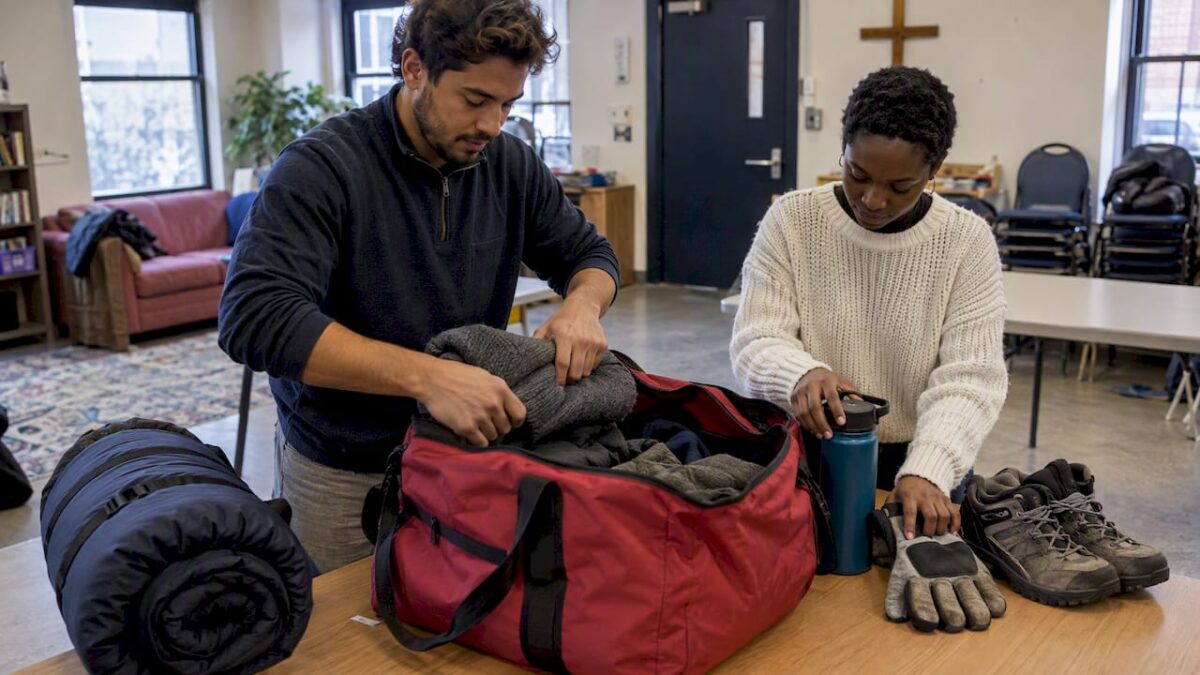
Bottled water on a hot day, hot coffee in winter, or a sandwich bag with a granola bar and fruit. Say plainly who you are and that it is free. Then ask one open question: “Is there anything we can pray about for you today?” If they say no, thank them warmly and move on. The kindness stands on its own.
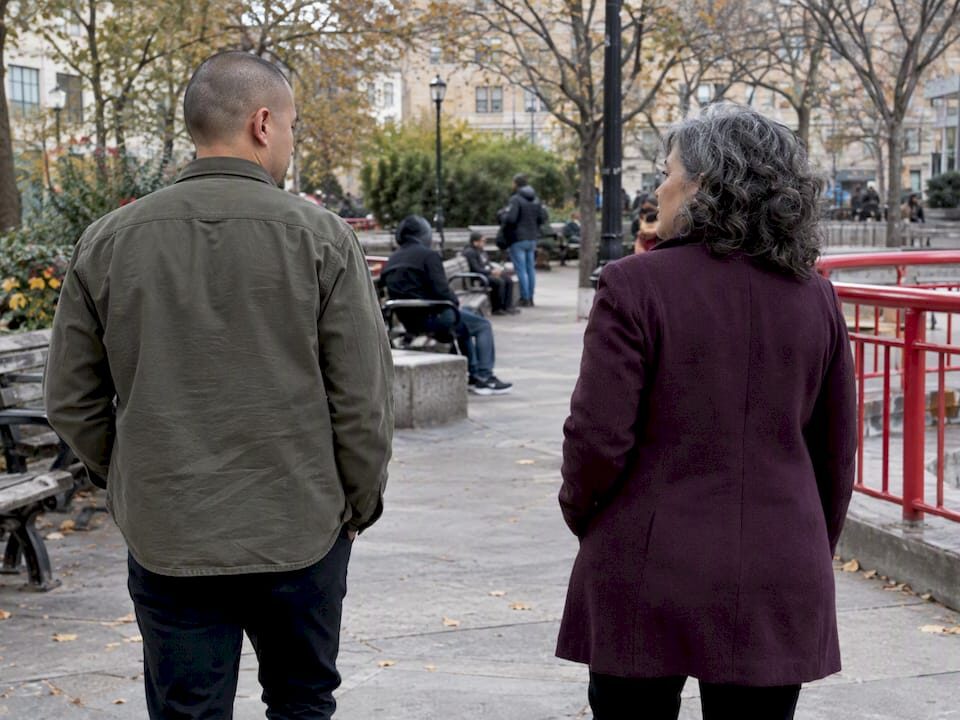
Walk a neighborhood in pairs or small groups and pray quietly for the buildings, schools, shops and people you pass. A prayer walk needs no sign and no speaker, and it teaches your team to see a place before they speak in it. Ask the Lord to show you where he is already at work, then go back to those places and say hello.
One popular idea is writing a short encouragement or Bible verse on a gift tag and leaving it where people will find it, or handing it over with a smile. Keep the wording personal and humble. Branded items such as pens, water bottles or tote bags can also be a natural reason to start talking, and this roundup of nonprofit giveaway ideas is a useful place to think through what is worth giving away. Whatever you hand out, make sure the gift is useful and the conversation, not the item, is the point.
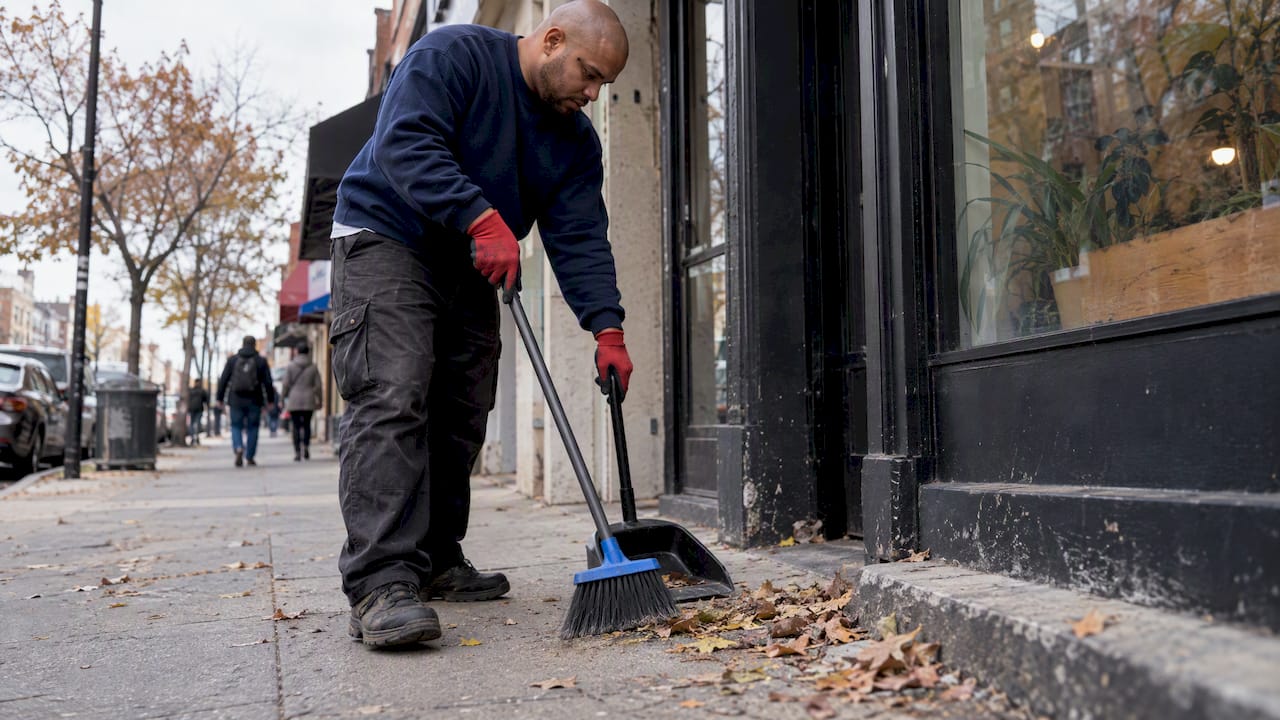
Sidewalk sweeping, returning trash cans, cleaning screens, giving away free hot chocolate or washing windows are all classic examples of serving without an agenda. They work especially well in dense urban areas, where small acts of care stand out. Explain what you are doing in one sentence: “We are from a local church and we wanted to do something kind for the neighborhood.”
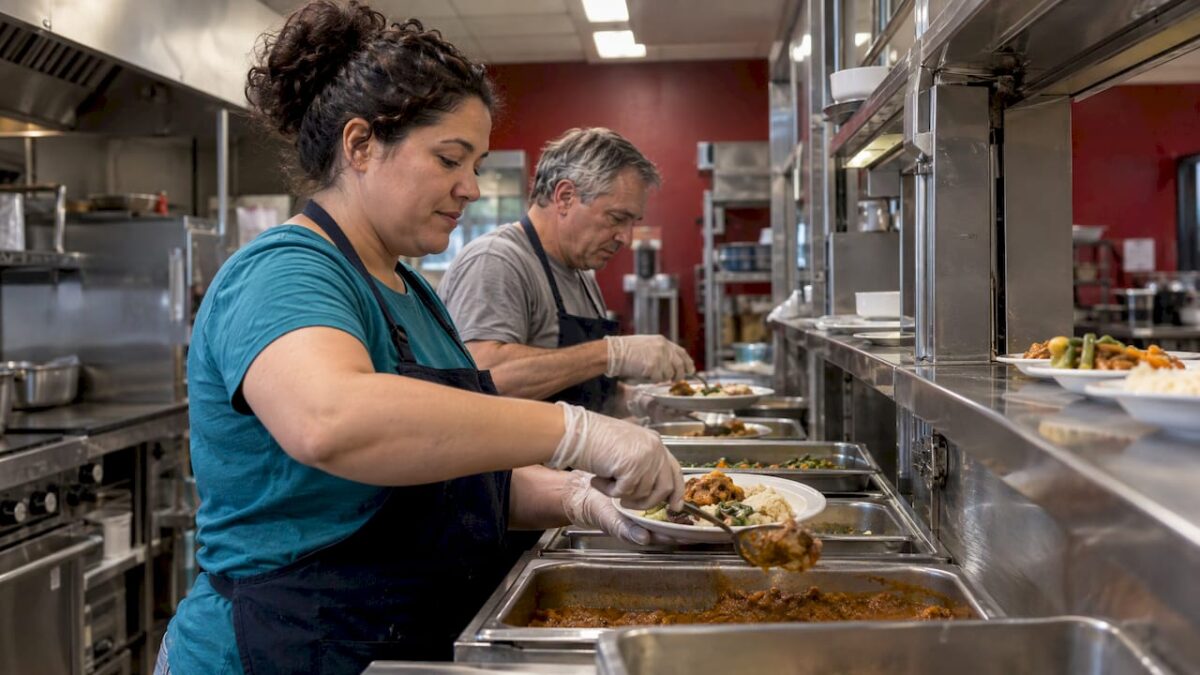
Sharing a table is one of the oldest forms of witness. Serving meals alongside a local church lets conversations happen naturally across the counter or at the table. It also puts your team under the leadership of people who know the community by name.
Back-to-school supply giveaways, holiday meal distributions and kids’ programs reach whole families. They also give teens and college students a role that fits their gifts, from games to crafts to greeting at the door.
Some teams want to go beyond service and have direct spiritual conversations. Here are ways to do that with care.
Skip “If you died tonight…” openers. Try questions that reflect real life: “What is weighing on you this week?” or “What do you do when life feels like too much?” Barna’s research on what non-Christians want from faith conversations points to people valuing conversation partners who ask good questions and show real interest in their stories, rather than people who push toward a conclusion.
Practice a short personal testimony: what life was like, how you met Jesus, what is different now. Keep it honest, free of church jargon and short enough to say on a bus stop bench. Practice it out loud with a partner until it feels natural.
Pastor and author Michael Keller encourages Christians to pay attention to the stories a culture tells about identity, freedom, happiness and power, as described in The Gospel Coalition’s Everyday Apologetics course. The point is not to memorize comebacks. It is to hear what someone longs for and show, gently, how the gospel speaks to that longing.
If someone shares a hardship, ask if you can pray right there, briefly, in plain language. Keep your eyes open and your voice low. If they decline, offer to pray later on your own, and mean it.
Barna’s study of what Gen Z considers an engaging witness found that the majority of teens name listening without judgment as a mark of a comfortable evangelist. If your youth group is heading out, train them to be good listeners first and good talkers second.
Evangelism does not have to happen far from home or on a busy corner. Often the best opportunities are already close. Hospitality, in particular, builds trust, as The Gospel Coalition Africa notes when discussing how to welcome church visitors. Safe, non-judgmental spaces matter especially to younger generations.
For more on how churches build a habit of sharing their faith, see our guide to what evangelism is and how to do it, and our list of church outreach ideas for urban communities.
New York is one of the best places to practice outreach, and one of the most regulated. A few basics:
Scout your location first, keep any permits with you on site, and be gracious if a business owner or officer asks you to move. In a city like this, respect for neighbors is part of your witness.
At NYSUM, we have watched thousands of visitors arrive in New York with real zeal and very little preparation. The zeal is a gift. But a team that has not practiced listening, prayer or boundaries can leave a block worse off than they found it.
That is why we pair training with outreach. We believe the best street evangelism is rooted in relationships with local churches and ministries that stay in the neighborhood long after your van leaves. We also believe the first act of evangelism is often a meal, a hello or a hand to hold, not a speech.
We encourage groups to think of a trip as the start of a pattern. Practice listening here, serve alongside local believers, then take what you learned back to your own city, whether that is Houston, Atlanta, Columbus or a small town in Iowa. Your own neighborhood needs the same love.
— Pastor Peter M. DeArruda NYSUM President
If you are a youth pastor or mission trip coordinator, use these steps before your first outing.
When a conversation turns toward faith, one simple pattern is to affirm what is true in someone’s view, gently note where it falls short, and point to Jesus as the fulfillment of what they long for. Barna describes this approach as the Affirm, Critique, Redirect framework in its research on faith conversations. Use it as a guide, never a script.
Our ministry training programs and our guide to a practical, repeatable plan for sharing the gospel cover these skills in more depth.
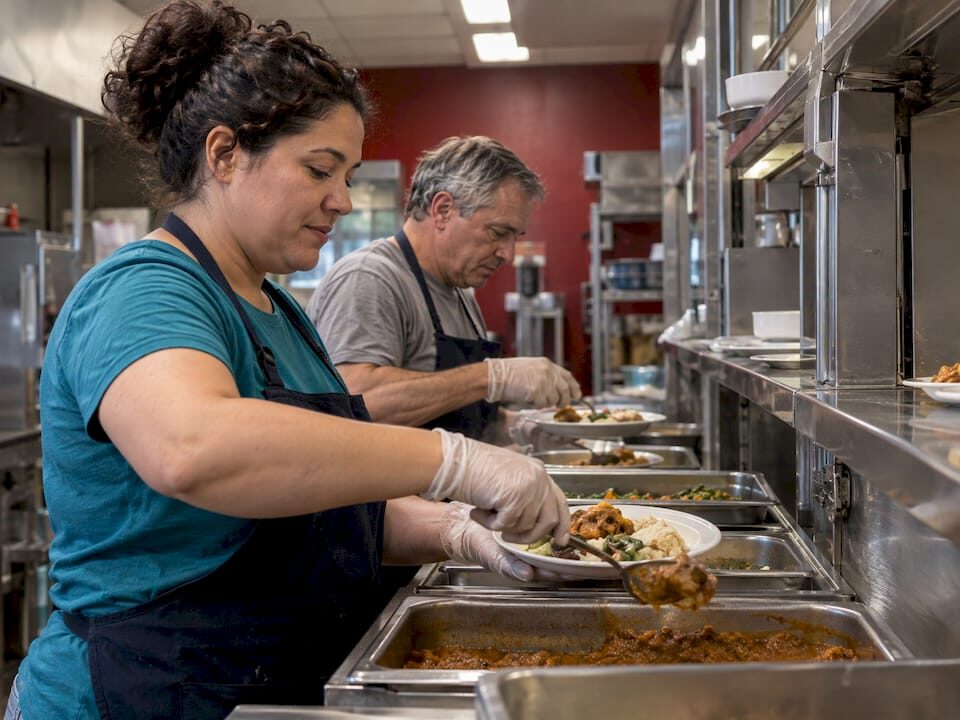
If you would rather learn by doing, NYSUM offers short-term mission trips in New York City’s five boroughs. Groups serve food, join prayer walks, help with children’s programs and volunteer in soup kitchens with local church partners, with training built into the experience.
Published prices include:
See every option, including 3-day and 5-day trips, on our reservations page. For a closer look at what a short trip involves, read about our weekend mission trips or our mission trips for churches. When you are ready, bring your group to NYC and put your faith into action.
Some people worry that evangelism on the street feels pushy. That concern is worth taking seriously. The remedy is not silence but humility: ask permission, accept a no, and never trade help for a conversation. Food and prayer should be offered freely, whether or not someone wants to talk about faith.
Others worry they do not know enough. You do not need to answer every question. “I don’t know, but I’d love to find out” is an honest and disarming reply. Our guide to common misconceptions and ethical concerns about evangelism goes further.
Finally, remember follow-through. A single conversation matters, but a church that stays, serves and returns matters more.
Begin with kindness: a greeting, a small gift or an offer of help. Ask an open question, listen to the answer and share your own story briefly if the conversation invites it. Respect a no, and offer prayer without pressure.
Common examples include community meals, soup kitchens, back-to-school supply giveaways, block parties, prayer walks and children’s programs. Many work best when run with a local church that already knows the neighborhood.
Talking with people on a public sidewalk generally does not need one. Using a megaphone or speaker requires a sound device permit from the local precinct, and parades, demonstrations or larger street events need additional permits. Check the city’s current guidance before you go.
Pray together, practice conversation openers and a short testimony, set clear safety rules and go out in supervised groups. Finish each outing with a debrief so students can process what they saw and heard.
Tel: 718.204.6471 | Email: info@nysum.org
This website uses cookies
We use cookies to personalise content and ads, to provide social media features and to analyse our traffic. We also share information about your use of our site with our social media, advertising and analytics partners who may combine it with other information that you’ve provided to them or that they’ve collected from your use of their services.
Cookies are small text files that can be used by websites to make a user's experience more efficient.
The law states that we can store cookies on your device if they are strictly necessary for the operation of this site. For all other types of cookies we need your permission. This means that cookies which are categorized as necessary, are processed based on GDPR Art. 6 (1) (f). All other cookies, meaning those from the categories preferences and marketing, are processed based on GDPR Art. 6 (1) (a) GDPR.
This site uses different types of cookies. Some cookies are placed by third party services that appear on our pages.
You can at any time change or withdraw your consent from the Cookie Declaration on our website.
Learn more about who we are, how you can contact us and how we process personal data in our Privacy Policy.
Please state your consent ID and date when you contact us regarding your consent.