November 5, 2026
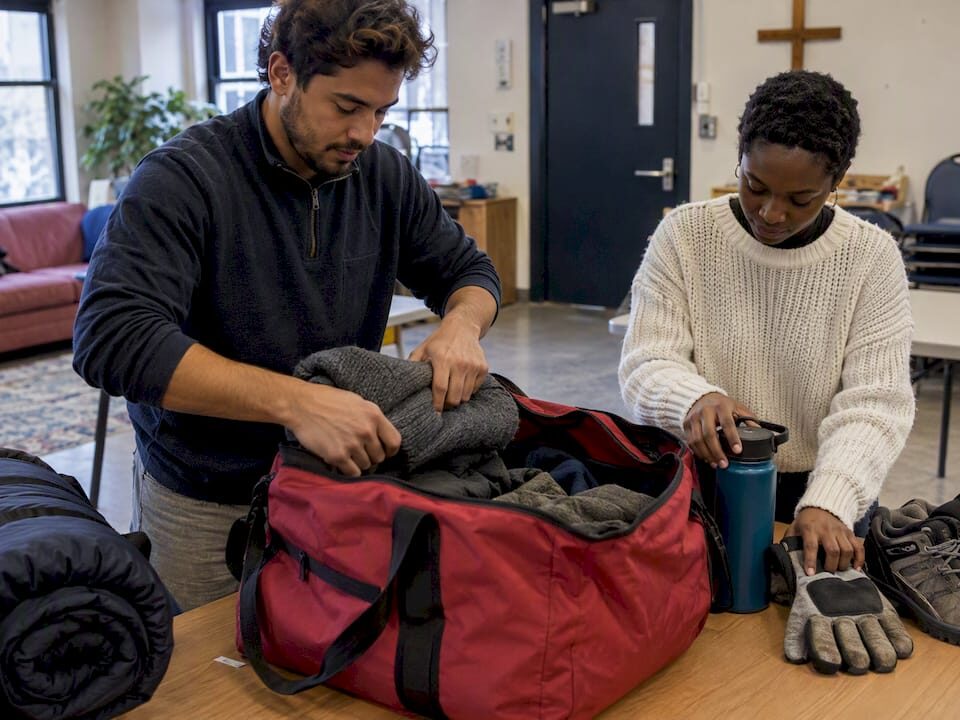
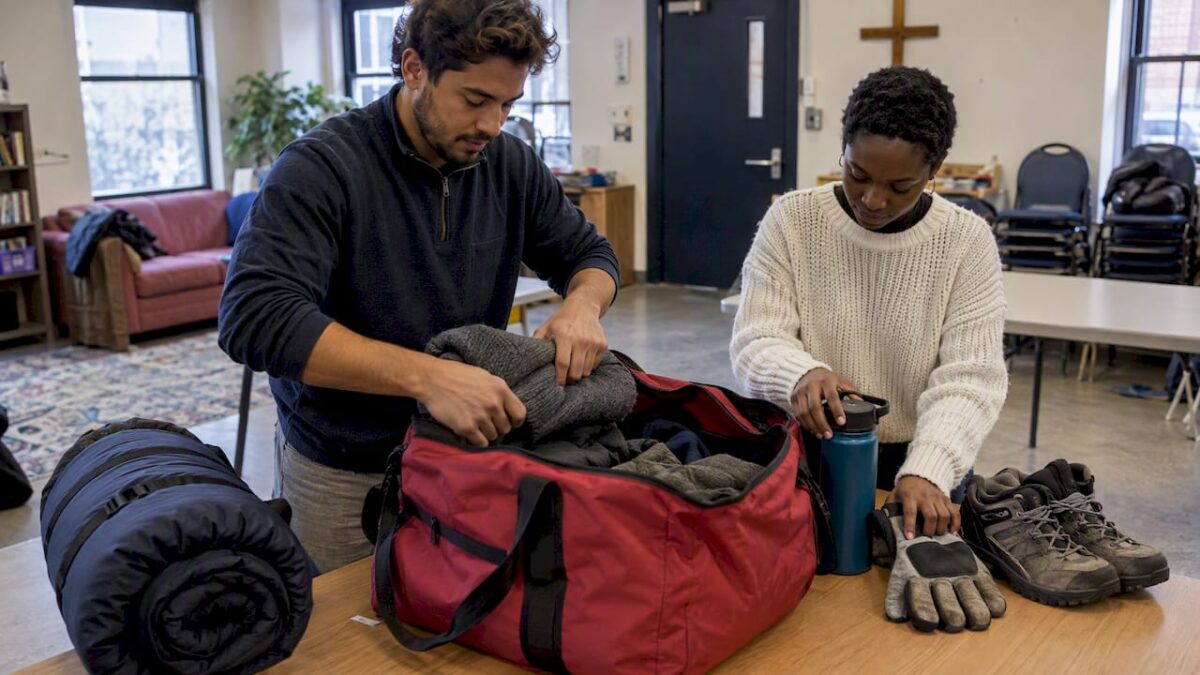
A practical guide to domestic mission trips for churches, youth and college groups: what the work looks like, how to prepare safely, and what NYC trips cost.

We also accept other Non-Traditional Gifts.
Click here to learn more
We also accept other Non-Traditional Gifts.
Click here to learn more
We also accept other Non-Traditional Gifts.
Click here to learn more
We also accept other Non-Traditional Gifts.
Click here to learn more
We also accept other Non-Traditional Gifts. Click here to learn more
We also accept other Non-Traditional Gifts. Click here to learn more

Background Checks for Church Volunteers: A Leader’s Guide
August 5, 2026
Evangelism: A Biblical and Practical Guide for Every Believer
August 13, 2026New York School of Urban Ministry
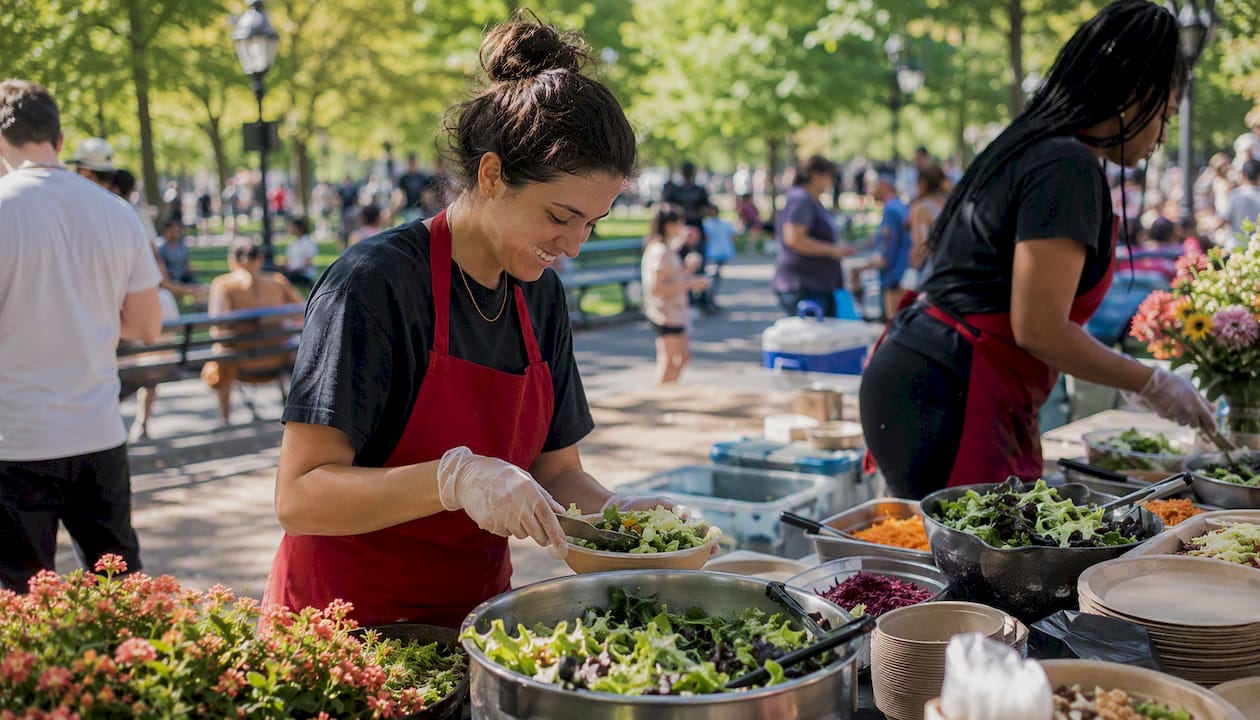
The most effective short-term mission trips for churches are partner-first, purpose-driven engagements that plug directly into a local ministry’s long-term strategy. Rather than planning a trip around what your team wants to do, start with what a trusted local partner actually needs. For urban ministry in New York City, Nysum offers fully structured packages that handle training, outreach coordination, lodging, and debrief, so your team arrives ready to serve. Build in a 10–15% contingency buffer from day one, and follow the IMB partnership model of linking short-term teams to long-term missionary strategy.
Your immediate next steps:
Partner-first, purpose-driven short-term mission trips that align with a local ministry’s long-term strategy consistently produce the most sustained community impact and the deepest discipleship outcomes for church teams.
| Point | Details | ||||
|---|---|---|---|---|---|
| Start with a partner, not a destination | Identify a vetted local ministry partner before recruiting your team or booking travel. | ||||
| Budget with a contingency buffer | Build a 10–15% contingency into every per-person budget to cover flight changes, medical needs, and currency shifts. | ||||
| Launch fundraising early | Begin support-raising 6–9 months before departure; the enlistment model yields stronger donor engagement than one-off events. | ||||
| Train spiritually and operationally | Run at least four team training sessions covering vision, cultural humility, roles, and scenario drills. | ||||
| Nysum for NYC urban ministry | Nysum’s 5-day packages provide fully coordinated urban outreach, training, lodging, and debrief for church groups in New York City. |
A short-term mission trip typically runs 5–14 days, involves a team of 8–30 participants, and focuses on a defined ministry objective: food outreach, children’s discipleship, construction, church-planting support, or evangelism. The “short-term” label covers a wide range of formats, so choosing the right model matters as much as choosing the right destination.
Four models dominate how churches organize these trips:
| Model | Impact continuity | Logistics burden | Typical cost (per person) |
|---|---|---|---|
| Partner-first | High | Low to medium | $1,500–$4,000 |
| Packaged provider | High | Low | $200–$800 |
| Church-led direct | Medium to high | High | $1,500–$5,000+ |
| Local/domestic urban | Medium | Low | $200–$800 |
The partner-first and packaged-provider models consistently outperform church-led direct trips on impact continuity because the local ministry’s long-term strategy stays intact regardless of which team visits. IMB’s Go Experience is a well-documented example of a packaged, partner-led model that intentionally links short-term teams to long-term church-planting work.
Start with one clear purpose statement tied to your partner’s existing ministry, not your team’s preferences. A purpose statement sounds like this: “We will support Grace Community Church’s youth discipleship program in the South Bronx by leading five VBS sessions and training two local youth volunteers.” That sentence names the partner, the activity, and the outcome.
Use this compact template before you finalize any trip:
Concrete metrics to track include attendance at partner programs before and after your visit, number of meals served, households reached through prayer walks or evangelism, and local staff or volunteers trained. Spiritual indicators matter too: salvation decisions, baptisms, and discipleship commitments are worth documenting with your partner.
Measurable goals protect against what mission researchers call “mission-as-tourism,” where a team feels spiritually satisfied but leaves no lasting benefit. When your partner can point to a specific output your team contributed, the trip becomes part of their story, not just yours.
Experienced planners recommend starting 9–12 months out for international trips and treating the process as a phased sequence: vision, recruit, budget, fundraising, logistics, training, field week, and re-entry. Domestic trips can compress to 3–6 months, but rushing the training phase is the most common mistake.
| Milestone | time frame | Key tasks |
|---|---|---|
| Vision | 12 months out | Confirm purpose, identify and contact partner, get leadership approval |
| Recruit | 9–10 months out | Open team applications, set team size, communicate cost and commitment |
| Budget | 9 months out | Build all-in per-person budget, set fundraising target, open dedicated account |
| Fundraising | 6–9 months out | Launch support letters, plan fundraising events, set individual deadlines |
| Logistics | 4–6 months out | Book flights, arrange lodging, confirm visas, purchase travel insurance |
| Training | 2–4 months out | Run team training sessions (spiritual formation, cultural prep, roles, safety) |
| Pre-departure | 2 weeks out | Confirm all paperwork, final packing list, emergency contacts, communication plan |
| Field week | Departure | Execute itinerary, daily debrief, document outputs |
| Re-entry/debrief | 1 week post-trip | Team debrief session, partner follow-up, donor thank-you notes |
| Sustain | 1–3 months post-trip | Share stories with congregation, report to donors, plan next engagement |
Critical paperwork checklist:
Pro Tip: Schedule your first team training meeting the same week you finalize the team roster. Early momentum reduces dropout rates and gives quieter team members time to process the commitment before the trip feels imminent.
Build your per-person budget as an all-in figure that covers every line item before you announce a cost to your congregation. Airfare typically accounts for 40–50% of per-person costs for international trips, making it the single largest variable. Book flights 4–6 months out or use a group travel agent to reduce that figure.
A standard budget breakdown for an international short-term trip looks like this:
| Line item | Approximate % of total |
|---|---|
| Airfare | 40–50% |
| Lodging | 15–20% |
| Meals | 8–12% |
| Ground transport | 5–8% |
| Travel insurance | 3–5% |
| Visas and entry fees | 2–4% |
| Medical/vaccinations | 2–4% |
| Ministry supplies | 5–10% |
| Contingency (10–15%) | 10–15% |
For domestic urban trips, airfare drops out or becomes a smaller ground-transport cost, bringing per-person totals to roughly $200–$800. International trips commonly run $1,500–$4,000 per person depending on destination and team size.
Always include a 10–15% contingency buffer in your total budget. Flight changes, medical needs, and currency fluctuations are the three most common budget-breakers, and leaving this buffer out is the most frequent planning mistake experienced coordinators flag.
The IMB’s support-enlistment model treats fundraising as an invitation: you are not asking donors for money, you are inviting them to join the mission through prayer and financial partnership. This approach produces stronger long-term donor engagement than one-off events because donors feel connected to the outcome.
Perimeter Church’s GO Journey policy provides a concrete example: team members raise their own support to cover airfare, insurance, visas, transit lodging, and in-country costs. Donors receive updates before, during, and after the trip.
The Church at Brook Hills recommends normalizing the money conversation early, encouraging participants to plan small, consistent sacrifices (skipping a subscription, a weekly coffee budget), and giving churches a framework for subsidizing spots for participants who cannot fully self-fund. Some churches set aside a scholarship fund or offer partial team subsidies to keep the trip accessible.
Fundraising event options: dinner fundraisers, church-wide giving campaigns, online crowdfunding through the church’s giving platform, and matching-gift drives from church leadership.
Pro Tip: Run all donations through a dedicated church account, not personal accounts. Reconcile every dollar from first donation to final expense report and share a summary with donors after the trip. Transparent financial management protects donor trust and makes future fundraising significantly easier.
Confirm travel logistics and risk-management details early. Travel insurance and medical coverage are non-negotiable line items, not optional add-ons.
Passports and visas:
Health and vaccinations:
Insurance:
Operational logistics:
Training must pair spiritual formation with role-based operational preparation. A team that prays together and knows their assignments arrives in the field with confidence and unity.
Recommended training curriculum (4 sessions over 2–3 months):
Team roles checklist:
Safeguarding basics: Run background checks on every adult team member before departure. Review your church’s child protection policy with the full team, and confirm your partner organization has its own safeguarding policy. Collect signed consent and waiver forms from all participants and parents of minors.
Pro Tip: Run at least one scenario drill before departure: a lost passport, a medical emergency, or a transport interruption. Teams that have rehearsed a crisis respond calmly; teams that have not tend to freeze. NYSUM’s mission trip guidelines include practical preparation checklists that make this easier to structure.
Prioritize partners with local leadership, a clear long-term strategy, and measurable goals. Your team’s role is to support that strategy, not to arrive with your own agenda. Church partnerships built around local ownership consistently produce better sustained outcomes than partnerships where the visiting team drives the plan.
Partner vetting checklist:
Impact metrics to track with your partner:
Exit strategy guidance: Every multi-year partnership should include a capacity-building plan. What skills, resources, or relationships will your team transfer so the partner is stronger after you leave? A short-term trip that creates dependency rather than capacity is a liability, not a gift. Plan for a handover from the first visit.
Five trip types consistently work well for church groups across domestic and international settings. Each can be adapted to a 5–7 day format with a team of 8–20 participants.
1. Urban outreach (domestic or international)
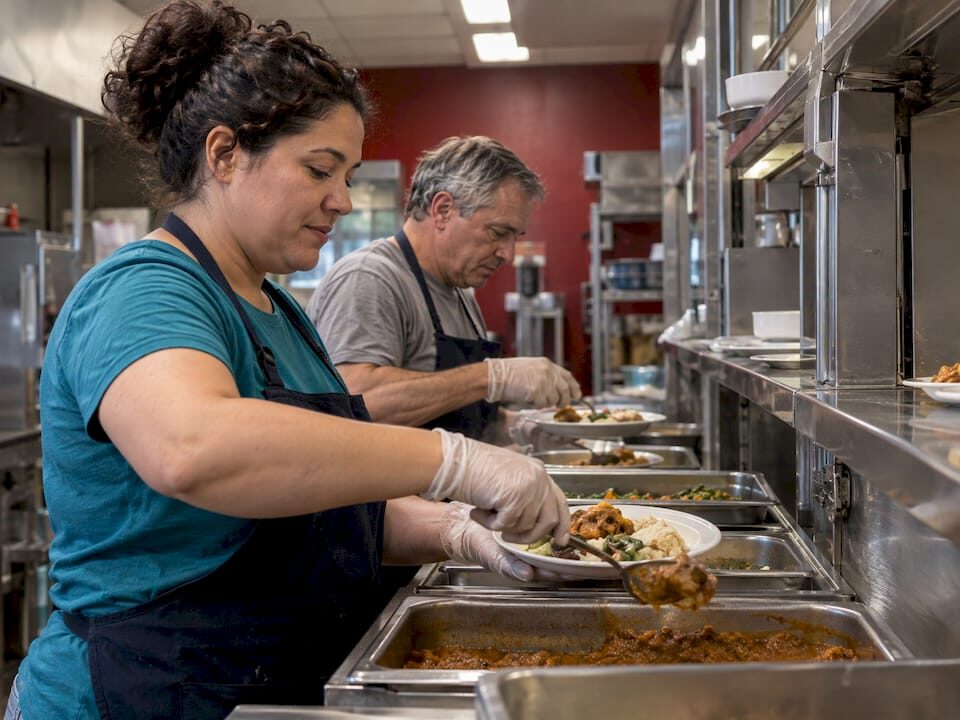
Focus: street evangelism, prayer walks, soup kitchen service, compassion outreach.
Sample 5-day itinerary: Day 1 orientation and partner briefing; Days 2–4 morning outreach, afternoon ministry activity, evening debrief; Day 5 reflection, partner celebration, departure prep.
Team size: 8–15. No specialized skills required.

2. Children’s ministry and VBS
Focus: Vacation Bible School, after-school programs, youth discipleship.
Sample 5-day itinerary: Day 1 curriculum prep and site orientation; Days 2–4 morning VBS sessions, afternoon relationship-building activities; Day 5 closing celebration and debrief.
Team size: 10–20. Helpful to include experienced children’s ministry volunteers.
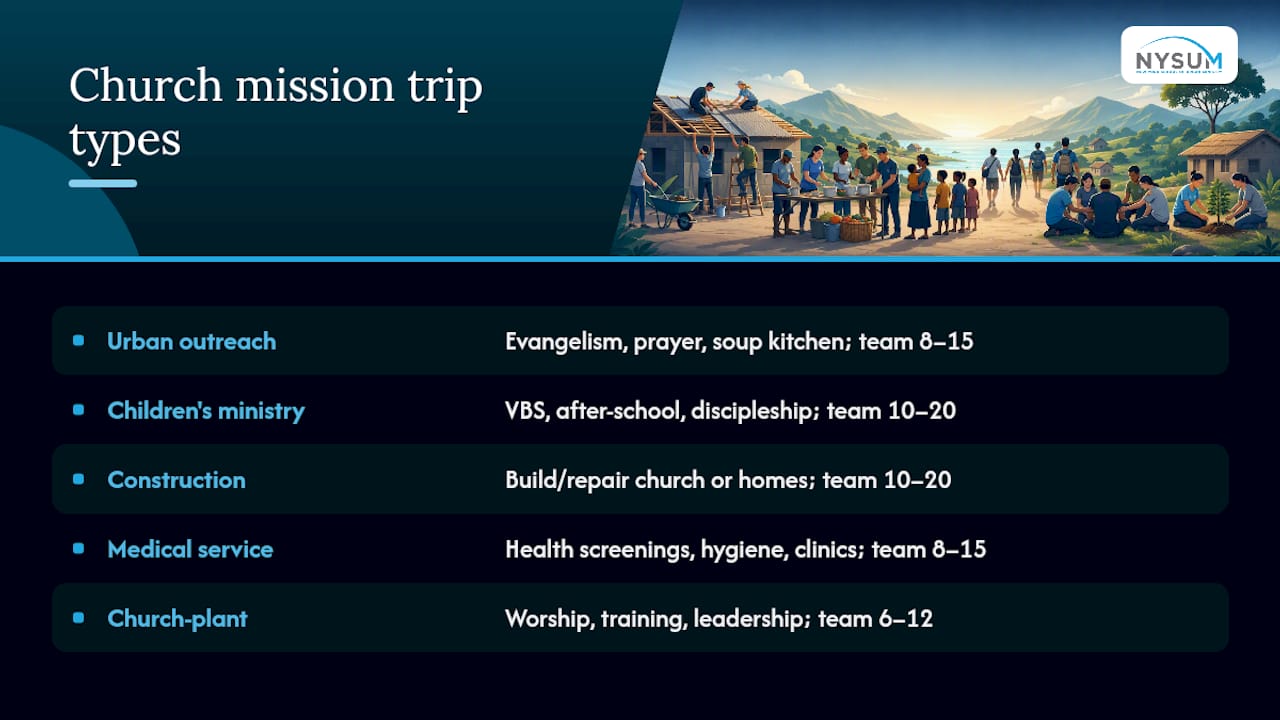
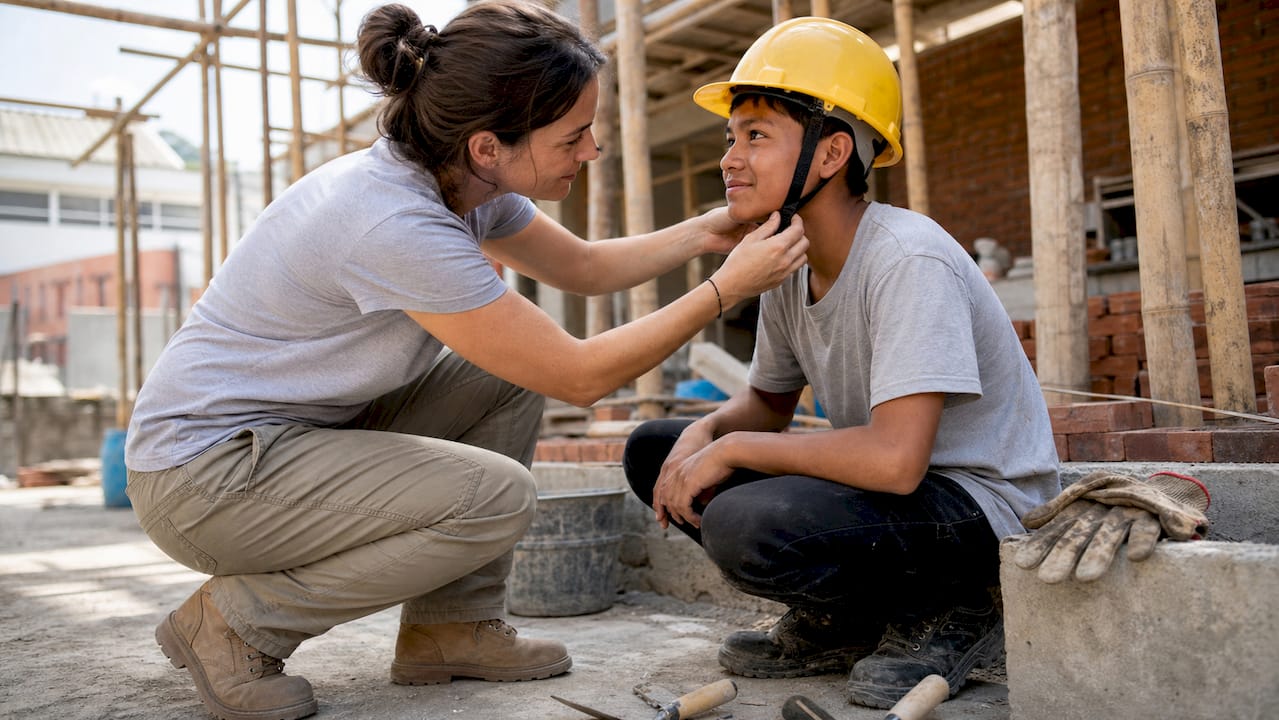
3. Construction and facility maintenance
Focus: building or repairing church facilities, community centers, or homes.
Sample 5-day itinerary: Day 1 site assessment and safety briefing; Days 2–4 construction work in morning and afternoon shifts; Day 5 site cleanup, dedication, and debrief.
Team size: 10–20. Include at least 2–3 participants with construction experience.
4. Medical and health service
Focus: basic health screenings, hygiene education, first-aid clinics.
Sample 5-day itinerary: Day 1 clinic setup and community orientation; Days 2–4 clinic sessions; Day 5 community follow-up and debrief.
Team size: 8–15. Requires licensed medical professionals on the team.
5. Church-plant support
Focus: worship leadership, evangelism training, leadership development alongside a new church.
Sample 5-day itinerary: Day 1 partner church orientation; Days 2–4 joint ministry activities, training sessions, and community outreach; Day 5 commissioning service and debrief.
Team size: 6–12. Works best with experienced ministry leaders.
Inspiring examples of church mission activities can help your team adapt these templates to your congregation’s specific gifts and calling. For tight budgets, local urban trips eliminate airfare entirely and still deliver meaningful ministry experience.
Note on built-in rest time: Good field execution includes scheduled debrief and rest periods. Over-scheduling reduces the depth of relationships your team builds. Every itinerary should include at least 30–45 minutes of structured reflection each evening.
NYSUM’s urban mission trip packages are built for church groups, youth organizations, and college ministry teams that want a fully coordinated short-term experience in New York City. Every package includes immersive ministry training, guided outreach activities across NYC’s five boroughs, on-campus lodging and meals, and a structured re-entry debrief. NYSUM impacts over 5,000 trainees annually and serves over 16,500 meals through its outreach programs.
The 5-day package is the most common format for church groups:
Typical inclusions: campus lodging, all meals during the program, ministry training curriculum, field coordination, and re-entry debrief facilitation.
Booking steps:
Churches can apply for donor-supported spots or explore non-traditional giving options to subsidize team members who need financial assistance.
The conventional advice tells church leaders to pick a destination, recruit a team, and raise the money. That sequence is backwards, and it produces trips that feel meaningful to the participants but leave little lasting benefit for the communities they visit.
The research is consistent on this: trips that start with a strategic partner and a defined ministry purpose yield measurably better outcomes than trips organized around a location or a team’s interests. The IMB has built its entire Go Experience model around this principle. Perimeter Church and Brook Hills both structure their policies to reinforce it. The pattern holds across domestic urban ministry and international church planting alike.
What gets underestimated is the debrief. Most churches invest heavily in pre-trip preparation and almost nothing in post-trip integration. A team that returns without a structured re-entry process loses most of the spiritual and relational momentum it built on the field within two to three weeks. The congregation hears a few testimonies on a Sunday morning, and then the trip disappears from the church’s collective memory. That is a significant loss, both for the team members and for the partner ministry that was counting on your church’s sustained engagement.
The other underrated factor is financial transparency. Donors who receive a clear post-trip report showing exactly how their money was used give again. Donors who hear nothing after writing a check do not. Reconciling every dollar through a dedicated church account and publishing a summary is not bureaucratic overhead; it is the foundation of a mission-giving culture that compounds over time.
If your church is serious about short-term mission trips as a discipleship and ministry tool, the investment in a structured partner relationship, a trained team, and a transparent financial process pays dividends that a loosely organized trip never will. Put your faith into action with a plan that honors both your team and the communities you serve.
Your church team deserves a mission trip that is organized, spiritually grounded, and connected to real, lasting ministry. NYSUM delivers exactly that for church groups coming to New York City: a fully structured urban mission experience that pairs immersive ministry training with hands-on outreach across NYC’s five boroughs, all without the logistical burden of building a program from scratch.
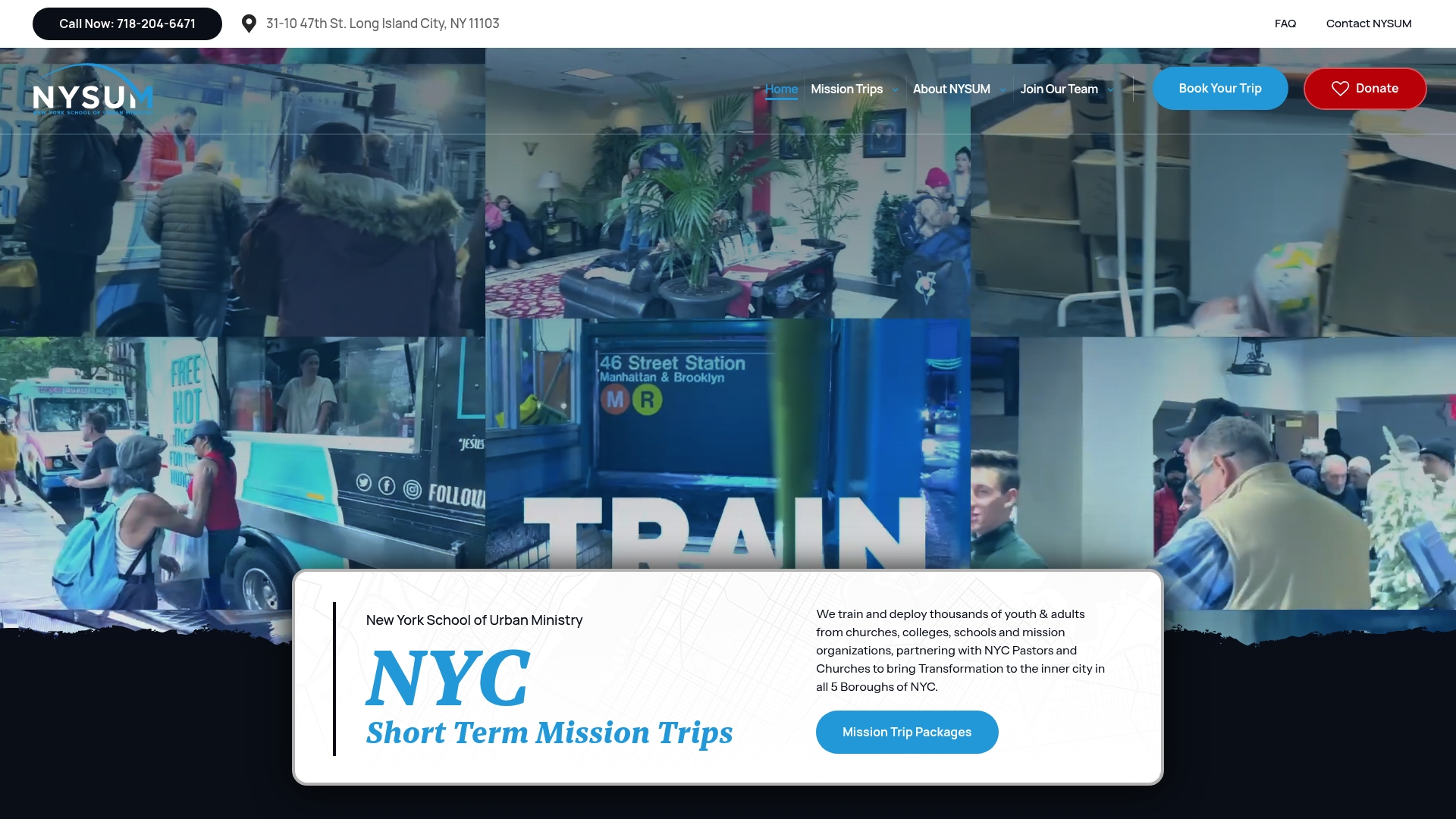
Where most trip options leave your team to coordinate field activities, partner relationships, and daily logistics on their own, NYSUM handles the operational framework so your leaders can focus on discipleship and spiritual formation. Your group arrives to a prepared training curriculum, coordinated outreach sites, on-campus lodging and meals, and a guided debrief that helps your team carry the experience home. NYSUM’s programs reach over 5,000 trainees annually, and the training campus is purpose-built for church groups of all sizes.
Ready to book your group’s NYC mission trip? Visit NYSUM’s ministry packages page to review available dates, package details, and group pricing, then submit your reservation request to get started.
These resources will help you go deeper on budgeting, support-raising, partner models, and booking:
Domestic urban trips typically run $200–$800 per person; international short-term trips commonly range from $1,500 to $4,000 per person, with airfare accounting for 40–50% of that total.
Some churches subsidize spots through scholarship funds or partial team subsidies, but most models expect participants to raise their own support. Brook Hills and Perimeter Church both document approaches where the church provides a partial safety net while participants lead their own support-raising.
Start 9–12 months out for international trips and 3–6 months out for domestic trips. The training phase is the most commonly rushed stage; building it into the timeline early protects team readiness.
Urban U.S. cities (including New York City through programs like Nysum), Latin America, sub-Saharan Africa, and Southeast Asia are among the most common destinations for short-term church teams. Domestic urban trips are growing in popularity because they offer meaningful ministry at a fraction of the cost of international travel.
Practical mobilization starts with a clear purpose statement, an honest cost conversation, and a defined application process. Normalize the financial discussion early, offer a structured support-raising plan, and give potential participants a concrete picture of what they will do on the field.
Tel: 718.204.6471 | Email: info@nysum.org
This website uses cookies
We use cookies to personalise content and ads, to provide social media features and to analyse our traffic. We also share information about your use of our site with our social media, advertising and analytics partners who may combine it with other information that you’ve provided to them or that they’ve collected from your use of their services.
Cookies are small text files that can be used by websites to make a user's experience more efficient.
The law states that we can store cookies on your device if they are strictly necessary for the operation of this site. For all other types of cookies we need your permission. This means that cookies which are categorized as necessary, are processed based on GDPR Art. 6 (1) (f). All other cookies, meaning those from the categories preferences and marketing, are processed based on GDPR Art. 6 (1) (a) GDPR.
This site uses different types of cookies. Some cookies are placed by third party services that appear on our pages.
You can at any time change or withdraw your consent from the Cookie Declaration on our website.
Learn more about who we are, how you can contact us and how we process personal data in our Privacy Policy.
Please state your consent ID and date when you contact us regarding your consent.