November 5, 2026
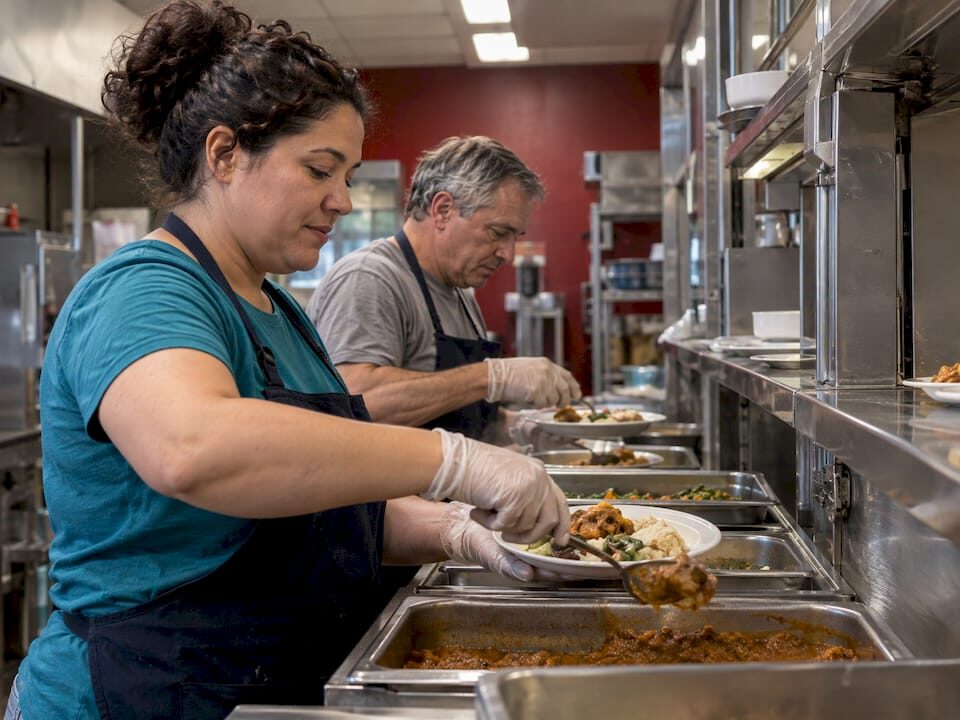
A practical guide to domestic mission trips for churches, youth and college groups: what the work looks like, how to prepare safely, and what NYC trips cost.

We also accept other Non-Traditional Gifts.
Click here to learn more
We also accept other Non-Traditional Gifts.
Click here to learn more
We also accept other Non-Traditional Gifts.
Click here to learn more
We also accept other Non-Traditional Gifts.
Click here to learn more
We also accept other Non-Traditional Gifts. Click here to learn more
We also accept other Non-Traditional Gifts. Click here to learn more

What Christian Outreach Means and How to Get Involved
August 25, 2026
Hands On Ministry Training for Urban Leaders in NYC
September 1, 2026New York School of Urban Ministry
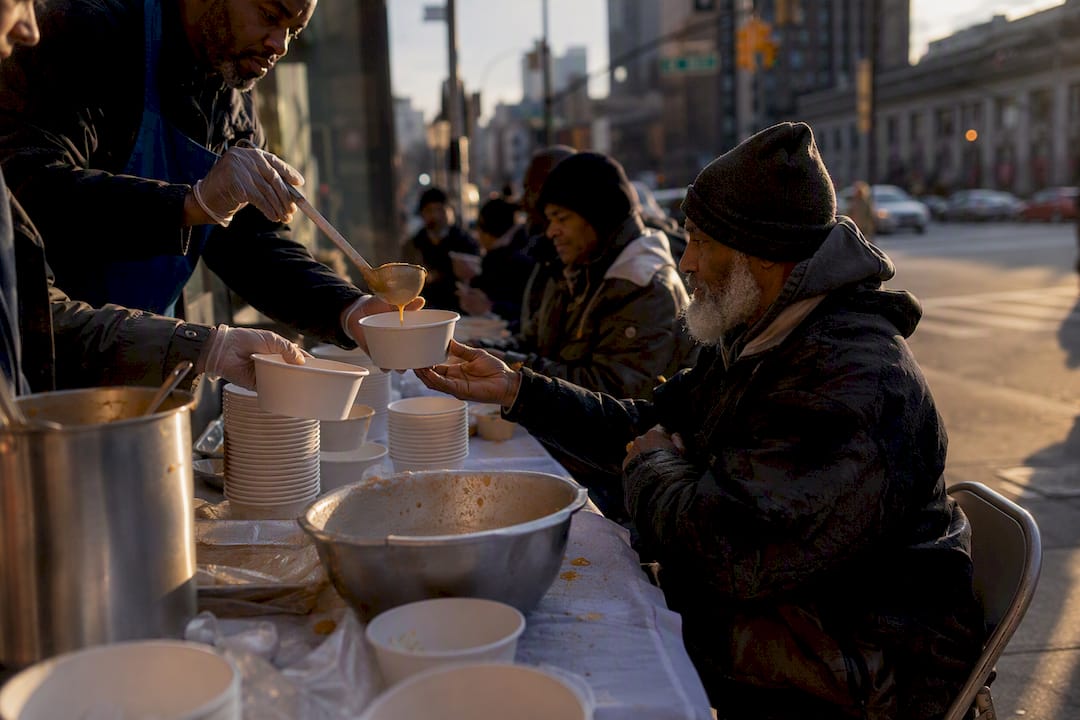
Christian missions are organized expressions of the church’s calling to proclaim the gospel and serve human need, usually combining evangelism, discipleship, and practical service in a single, coordinated effort. Theologians often call this the missio Dei, the mission of God, meaning the work belongs to God first and the church joins it rather than owns it. That framing matters because it shapes who gets to lead and who gets to learn.
Participation looks different depending on who shows up. Some people go on a single short-term trip. Others commit years overseas as long-term missionaries. Many serve through parachurch organizations that partner with local congregations instead of replacing them, and a growing number find their calling in urban ministry a few subway stops from home rather than a plane ride away.
The immediate outcomes of this work fall into a few recognizable categories:
Christian mission projects succeed or fail based on how well they hold these pieces together, not how many boxes they check off a checklist.
TL;DR:
- Short-term mission trips can be more effective when they incorporate thorough cultural humility training and establish strong local partnerships before deployment.
- The Five Marks of Mission—Tell, Teach, Tend, Transform, and Treasure—serve as a practical checklist to ensure balanced outreach that includes follow-up discipleship and community engagement.
- Proper preparation involves early team formation, cultural research, legal logistics, transparent fundraising, and training on the cultural shock cycle to prevent harm and promote long-term impact.
- Impact measurement should combine activity counts with qualitative feedback from local leaders and documented handover plans to assess sustainable community benefits.
- Urban ministry programs like NYSUM demonstrate that long-term, locally partnered outreach within a city’s neighborhoods can foster deep relationships and meaningful, culturally sensitive mission work.
Mission activity did not start with the modern short-term trip model. It goes back to the apostolic era, when Paul’s journeys across the Roman world established the pattern of planting churches and appointing local leaders before moving on.
That pattern got interrupted and reshaped multiple times over the centuries. A rough timeline helps explain how today’s mission outreach took its current shape:
Each era left fingerprints on today’s practice. The colonial-era mistakes, in particular, are why modern mission training organizations now spend so much time on cultural humility and partnership models instead of top-down programs. Understanding that history is not academic housekeeping. It is the reason a well-run mission trip today looks fundamentally different from one run in 1960, with local church partnership and long-term accountability built in rather than treated as optional extras.
Ask ten mission leaders how to organize outreach and you might get ten different answers, unless they are working from a shared framework. The most widely used one is the Five Marks of Mission, developed by the Anglican Consultative Council starting in 1984 and expanded to its current form in 1990. It has since been adopted well beyond Anglican circles as a practical planning tool.
The five marks break mission activity into distinct, complementary functions:
The Episcopal Church publishes these marks as a practical checklist congregations can run their programs against before launching a new initiative. A youth group planning a summer trip might realize their itinerary is heavy on “Tell” and “Tend” but has no plan for “Teach,” meaning new relationships formed during the trip have nowhere to grow once the team leaves.
Mission-training literature flags failure to build in follow-up discipleship plans as one of the most common oversights among mission trips.
Congregations often pair the Five Marks with older, complementary categories: worship (leitourgia), fellowship (koinonia), service (diakonia), and proclamation (kerygma). These four terms describe the internal life of a healthy church, while the Five Marks describe its outward mission. Used together, they help a mission team check both whether they are spiritually grounded and whether their outreach is balanced across proclamation, discipleship, service, justice, and creation care.
Not every calling to mission looks the same, and that is by design. The range of models available means almost any believer, from a first-time high schooler to a retired nurse, can find a fitting way to serve.
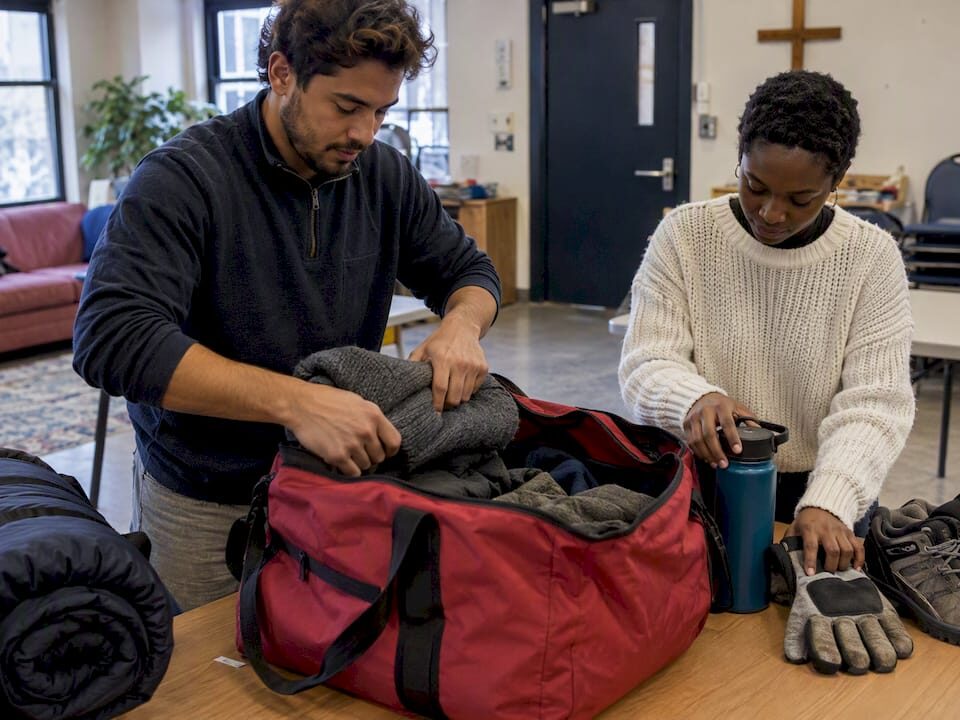
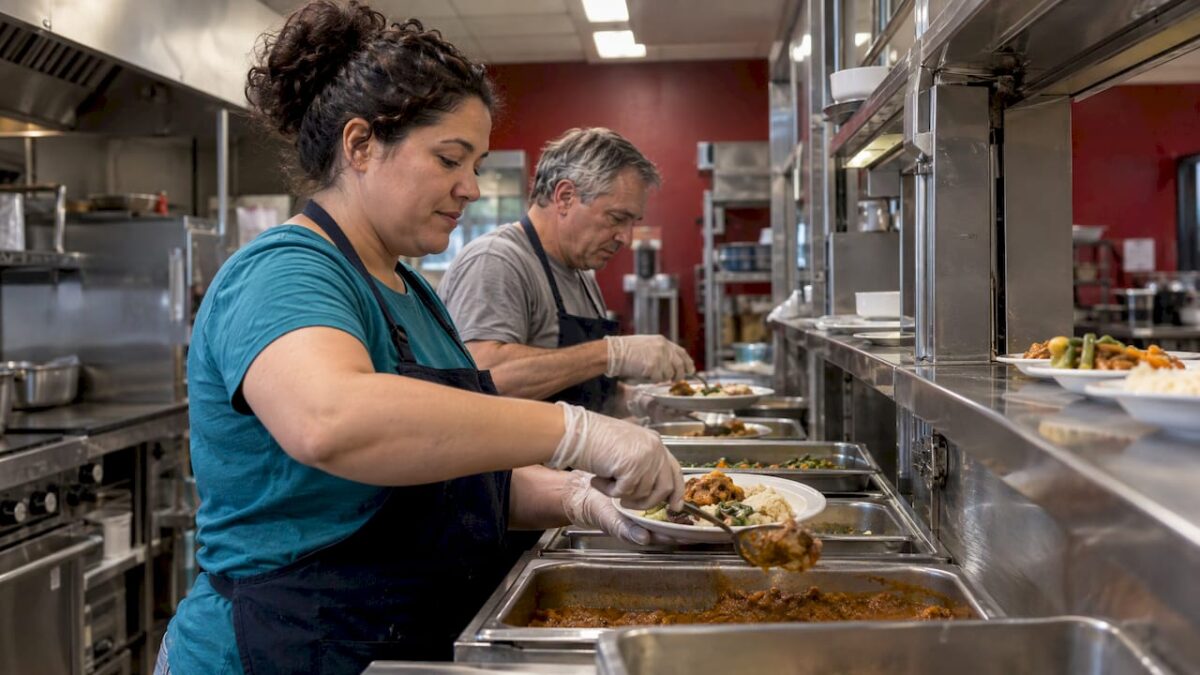
Short-term team trips run anywhere from a weekend to a few weeks and typically combine a specific service project, such as construction, a vacation Bible school, or a soup kitchen shift, with structured devotional time and cultural orientation. A typical five-day urban trip might include a training day, two or three days of direct outreach, and a debrief session before the team heads home.

Long-term cross-cultural missionaries commit years, sometimes decades, to a single field, often prioritizing language acquisition and church planting over immediate visible results. Their timeline looks nothing like a short-term team’s. Progress gets measured in relationships and leadership handed over, not meals served in a week.
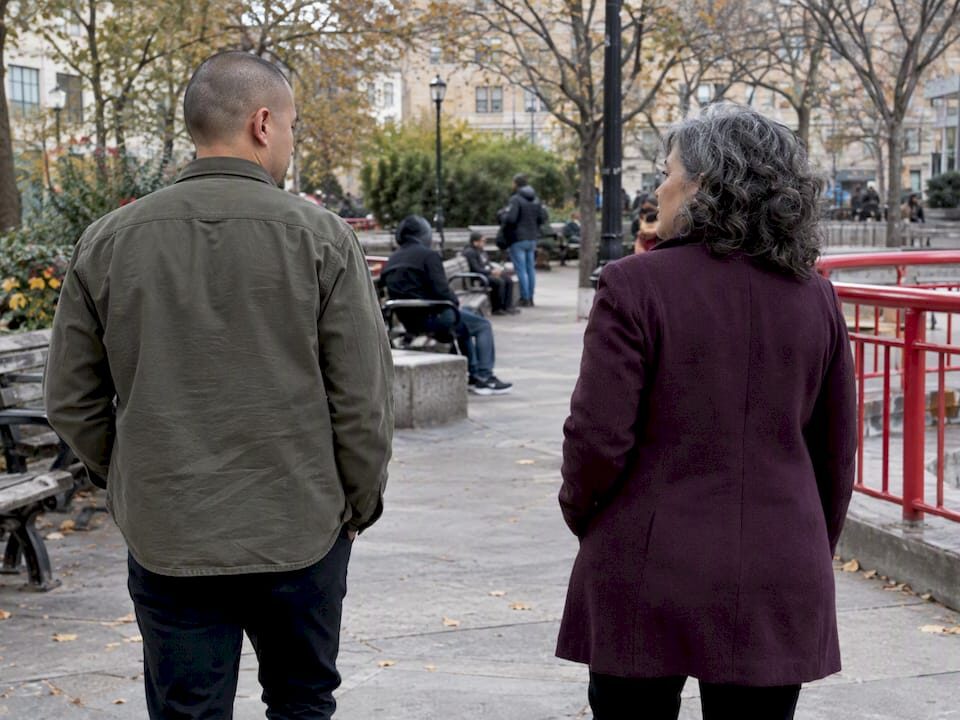
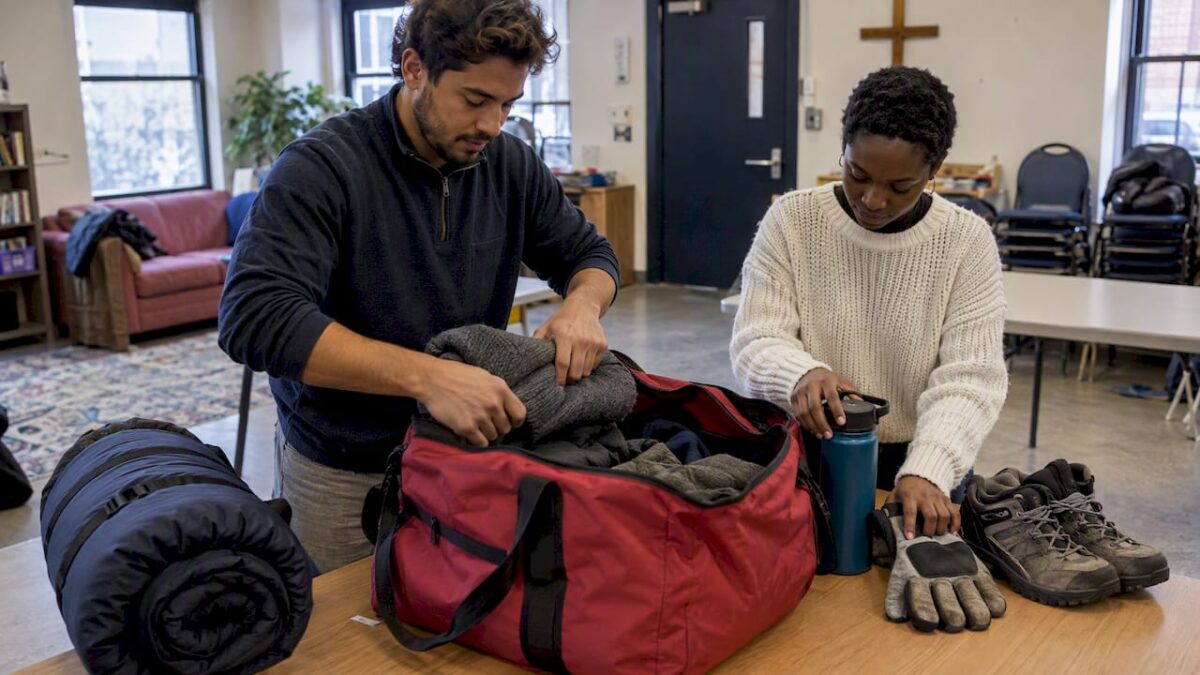
Urban ministry and local mission bring the same evangelism, discipleship, and service framework to cities close to home, often within a single metro area. Programs modeled on this approach train volunteers to engage homelessness, food insecurity, and isolation without ever needing a passport, which lowers the barrier to entry for church groups still building confidence in cross-cultural service.
Relief and development projects focus on tangible infrastructure: clean water, basic health care, education. These projects carry real long-term stakes if they are not paired with discipleship and local partnership.
A water-filter distribution project documented by ReligionUnplugged shows how a single, focused relief effort opened doors to ongoing discipleship and a lasting local ministry partnership, illustrating how a practical need met well can become the entry point for deeper spiritual investment rather than a one-off transaction.
That case study is worth studying closely if you’re weighing whether a relief project or a straightforward evangelism trip fits your team better. The two are not mutually exclusive, but they require different planning horizons.
Good intentions do not substitute for good preparation. Mission trainers consistently point to the same handful of gaps that turn well-meaning teams into liabilities on the field, and nearly all of them are preventable with a structured timeline.
Here is a practical sequence that works for most short-term teams:
Mission trainers at TEAM emphasize that cultural humility training and structured reflection practices are not optional extras. They are the difference between a team that builds trust and one that leaves behind more cleanup than change. Teaching the culture-shock cycle before travel specifically reduces interpersonal friction and improves how well lessons stick once the team returns home.
Pro Tip: Schedule your first team training session before you finalize your itinerary. Teams that train early tend to build their schedule around genuine local needs rather than around what feels efficient from a distance.
The single biggest pitfall in short-term missions is what trainers bluntly call the fix-it mindset: arriving convinced you already know what a community needs before anyone there has told you. The antidote is not complicated, but it does require discipline. Enter as a learner. Listen to local leaders before proposing solutions. Process what you’re seeing through structured reflection instead of snap judgments.
Avoiding a savior complex starts with a simple posture shift:
Parachurch organizations play a specific, bounded role in this ecosystem. Effective ones function as equippers and supporters of local church leadership rather than substitutes for it, showing up with resources, training, or specialized skills, then handing responsibility back to the people who live there permanently. That handoff is the whole point. A parachurch partnership that never builds toward local ownership has arguably missed its purpose, no matter how many people it served in the meantime.
Measuring impact well means resisting the temptation to count only what’s easy to count. Combining simple quantitative tracking, such as attendance figures, meals served, or materials distributed, with qualitative measures like local leader satisfaction and documented handover plans gives a far more honest picture than activity counts alone. A mission trip that served 500 meals but left no plan for who continues that work next month has a very different long-term impact than one that served 200 meals and trained three local volunteers to keep it running.
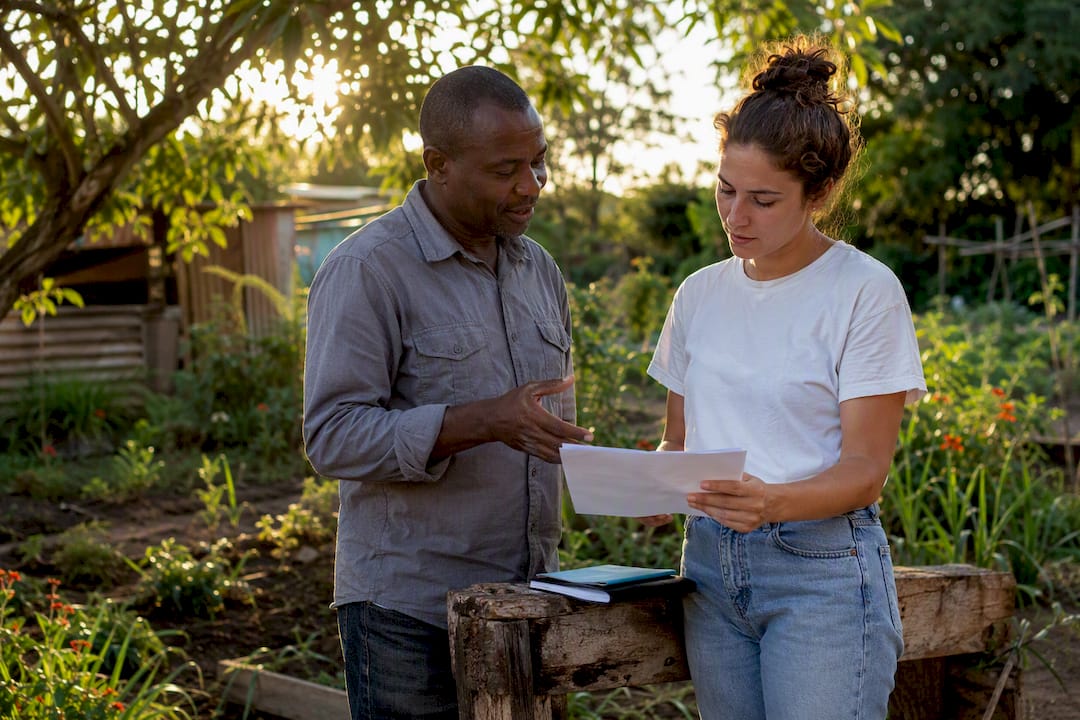
NYSUM has spent years building a training model specifically for teams who want to serve without causing the kind of harm this article just described. The organization trains and deploys thousands of trainees annually and serves meals through its outreach initiatives across New York City’s five boroughs, reflecting sustained partnership rather than one-off events.
Programs at NYSUM’s training campus put the Five Marks into direct practice: teams proclaim the gospel through street evangelism and prayer walks (Tell), disciple new believers through children’s programs (Teach), serve immediate physical needs through soup kitchens and food outreach (Tend), engage systemic poverty and homelessness through sustained community partnership (Transform), and operate within a training model that emphasizes long-term local partnership over short-term spectacle (Treasure, broadly understood as stewardship of the community entrusted to you).
Ways teams typically engage include:
Pro Tip: If your group has never done urban ministry before, start with a shorter package before committing to a longer stay. It gives your team a low-risk way to test whether this kind of hands-on outreach fits your group’s readiness level.
Every one of NYSUM’s programs is built around the same principle covered earlier in this guide: partner with local churches, don’t replace them, and measure success by what continues after your team goes home. You can read more about the organization’s approach on the About NYSUM page.
The theological basis for Christian mission work is not a single proof text. It runs through the entire biblical narrative, starting with God’s promise to Abraham that “all peoples on earth will be blessed through you,” and continuing through the prophets’ vision of nations streaming to worship God.
The clearest New Testament mandate comes in Matthew 28:19 to 20, often called the Great Commission: “Go and make disciples of all nations.” Acts 1:8 adds a geographic structure to that command, describing witness that expands outward from Jerusalem, to Judea and Samaria, to the ends of the earth, a pattern many mission strategists still use to think about local, regional, and global scope.
Paul’s letters add theological depth to the mandate. His concept of reconciliation in 2 Corinthians 5 frames evangelism as an extension of what God has already done through Christ, not a human project needing divine blessing after the fact. Churches Together in England captures this well, describing mission as participation in God’s own work rather than a program the church invents and owns.
That distinction shapes everything downstream. If mission belongs to God, then humility, listening, and partnership are theological necessities, not just good practice. A mission team that forgets this framing risks turning genuine gospel work into a performance of good intentions instead of a shared act of obedience.
Christian mission today runs through a dense and varied network rather than any single sending body. Mainline denominations like the Episcopal Church, the United Methodist Church, and various Presbyterian bodies maintain their own mission boards, often focused on long-term partnerships with international dioceses or synods.
Evangelical and non-denominational churches frequently work through independent parachurch mission agencies instead of denominational structures. Organizations like TEAM specialize in cross-cultural placement and pre-field training, equipping missionaries with the cultural and practical skills covered earlier in this guide before they ever leave for the field.
Urban ministry organizations occupy a distinct niche in this landscape. Rather than sending teams overseas, groups like Nysum focus on training and deploying volunteers within a single metro area, in this case New York City, addressing homelessness, poverty, and food insecurity through direct partnership with local congregations. This model has grown steadily as churches recognize that international travel is not a prerequisite for meaningful cross-cultural mission work; a short subway ride into an unfamiliar neighborhood can require the same humility and preparation as a flight overseas.
Anglican Communion bodies deserve particular mention because of how influential the Five Marks framework has become outside Anglican circles entirely. Catholic religious orders, meanwhile, continue a mission tradition stretching back centuries, often blending education, health care, and evangelism in ways that predate the modern short-term trip model by hundreds of years.
Christian missions face real, substantive criticism, and pretending otherwise does a disservice to anyone considering getting involved. The most persistent critique centers on colonial-era history, when missionary work traveled alongside, and sometimes actively supported, colonial power structures that exploited the very communities being evangelized.
A more contemporary version of that critique targets short-term trips specifically. Critics argue that a week-long visit, however well-intentioned, can do more for the visiting team’s spiritual growth than for the host community’s actual needs, sometimes leaving behind dependency, unfinished projects, or damaged local economies when teams build things local workers could have been paid to build instead.
There’s also a financial critique worth taking seriously: the money spent flying a team internationally for a week often exceeds what it would cost to fund a local ministry directly for months. Mission leaders increasingly acknowledge this trade-off rather than dismissing it, which is part of why parachurch models emphasizing local partnership and capacity building have gained ground over pure send-and-serve trip structures.
A related concern involves measurement. Counting baptisms, meals served, or converts made can create pressure to inflate numbers or claim credit for work local churches were already doing before a visiting team arrived. The honest response isn’t to abandon measurement, but to pair activity counts with the kind of qualitative accountability, like local leader feedback and documented handover plans, discussed earlier in this guide.
Global connectivity has changed mission strategy faster than almost any other force in the field’s recent history. Video calls now let sending churches maintain real relationships with missionaries and local partners between trips, rather than relying on infrequent letters or occasional visits, which has made accountability and follow-up dramatically easier to sustain.
Social media and messaging apps have also decentralized who initiates mission partnerships. A pastor in one country can now connect directly with a mission coordinator on another continent without an intermediary agency, which cuts overhead but also means less built-in vetting than traditional sending structures once provided.
Globalization has shifted where mission workers come from, too. The most rapid Christian growth today is happening in the Global South, and a growing share of cross-cultural missionaries now come from Africa, Latin America, and Asia rather than exclusively from North America and Europe, reversing a sending pattern that dominated the field for over a century.
Digital tools have also made mission preparation more rigorous. Teams can now research a host community’s history, language basics, and cultural norms online before departure in ways that simply weren’t accessible to earlier generations of short-term volunteers, closing some of the preparation gap this guide has emphasized throughout.
None of this replaces the on-the-ground relationship building that makes mission work effective. It does mean a well-prepared team today has fewer excuses for showing up uninformed than a team did even fifteen years ago.
Years of training teams for urban ministry teach you the same lesson again and again: the group that listens outperforms the group that arrives with a plan already finished. The neighborhoods NYSUM serves across New York City’s five boroughs have their own histories, their own churches, and their own leaders who understand local needs far better than any visiting team could after a single afternoon.
The teams that leave the deepest impact are rarely the ones with the most elaborate itinerary. They’re the ones willing to spend an extra hour in training, ask a local pastor what’s actually needed before deciding what to bring, and treat a single week of service as the beginning of a relationship rather than the whole of it.
If you’re new to this kind of work, start smaller than your ambition wants you to. A short, well-trained local outreach experience teaches the posture you’ll need for any future cross-cultural work, whether that’s three subway stops away or halfway around the world. Training before deployment isn’t a bureaucratic hurdle. It’s what turns good intentions into service that actually helps.
— NYSUM
If your church group or youth ministry is ready to move from research to action, NYSUM gives you a structured, trained, and proven path into urban mission work without the guesswork of building a program from scratch. Unlike planning an independent outreach trip on your own, NYSUM pairs your team with an established training campus, local church partnerships across New York City, and a support structure built from experience training over 5,000 trainees a year.
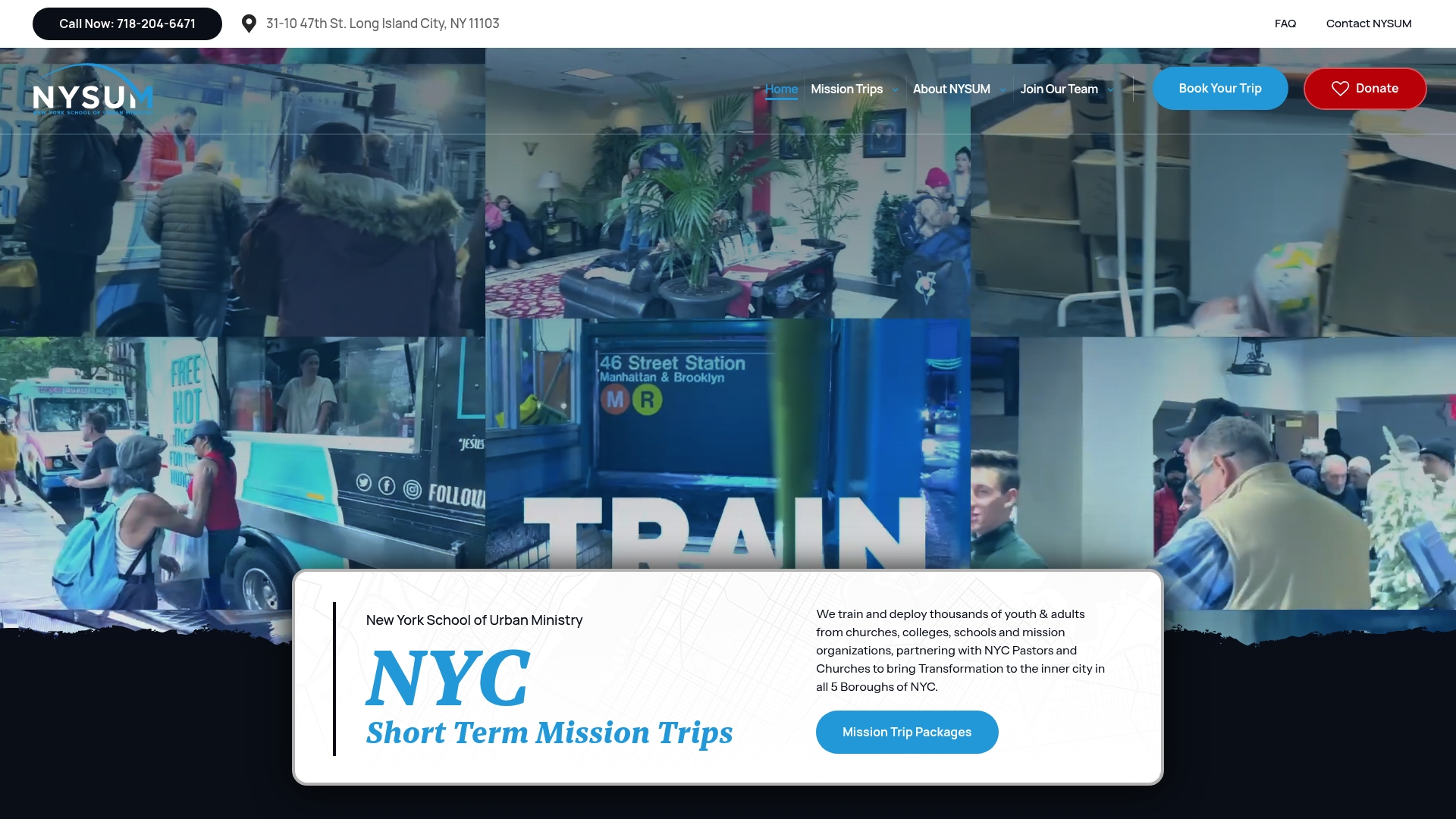
Whether your group is drawn to street evangelism, soup kitchen outreach, children’s programs, or a full cross-cultural immersion experience, NYSUM’s ministry packages let you choose a program that matches your team’s size, timeline, and readiness level, complete with lodging and meals handled for you. Browse the current 5-day trip option or reach out through the ministry packages page to check available dates and start planning your team’s first, or next, mission experience in New York City.
Effective Christian missions combine proclamation, discipleship, and practical service, guided by frameworks like the Five Marks of Mission, and succeed only when paired with cultural humility and local partnership.
| Point | Details |
|---|---|
| Definition anchors everything | Christian missions join evangelism, discipleship, and service under the shared idea of participating in God’s mission, not owning a program. |
| Use the Five Marks as a checklist | Tell, Teach, Tend, Transform, and Treasure help teams spot gaps, like skipping discipleship follow-up, before a trip launches. |
| Preparation prevents harm | Cultural orientation, the culture-shock cycle, and clear team roles reduce conflict and improve long-term outcomes. |
| Measure impact honestly | Pair simple counts like meals served with qualitative measures like local leader feedback and documented handover plans. |
| Train locally before going global | Nysum’s urban ministry model trains over 5,000 people annually across New York City’s five boroughs, giving teams a structured entry point into mission work. |
Examples range from short-term food outreach and soup kitchen volunteering to long-term church planting, medical relief projects, and urban ministry programs like those Nysum runs across New York City.
There is no single, widely recognized “21 missions” framework in mainstream Christian mission theology; the most established organizing model remains the Five Marks of Mission.
Availability varies by organization and season, so check directly with a trip provider; Nysum’s ministry packages page lists current program options and dates for teams planning trips to New York City.
The five missions, more precisely called the Five Marks of Mission, are to tell the good news, teach and nurture new believers, tend to human need, transform unjust structures, and treasure creation.
Tel: 718.204.6471 | Email: info@nysum.org
This website uses cookies
We use cookies to personalise content and ads, to provide social media features and to analyse our traffic. We also share information about your use of our site with our social media, advertising and analytics partners who may combine it with other information that you’ve provided to them or that they’ve collected from your use of their services.
Cookies are small text files that can be used by websites to make a user's experience more efficient.
The law states that we can store cookies on your device if they are strictly necessary for the operation of this site. For all other types of cookies we need your permission. This means that cookies which are categorized as necessary, are processed based on GDPR Art. 6 (1) (f). All other cookies, meaning those from the categories preferences and marketing, are processed based on GDPR Art. 6 (1) (a) GDPR.
This site uses different types of cookies. Some cookies are placed by third party services that appear on our pages.
You can at any time change or withdraw your consent from the Cookie Declaration on our website.
Learn more about who we are, how you can contact us and how we process personal data in our Privacy Policy.
Please state your consent ID and date when you contact us regarding your consent.