November 5, 2026
A practical guide to domestic mission trips for churches, youth and college groups: what the work looks like, how to prepare safely, and what NYC trips cost.

We also accept other Non-Traditional Gifts.
Click here to learn more
We also accept other Non-Traditional Gifts.
Click here to learn more
We also accept other Non-Traditional Gifts.
Click here to learn more
We also accept other Non-Traditional Gifts.
Click here to learn more
We also accept other Non-Traditional Gifts. Click here to learn more
We also accept other Non-Traditional Gifts. Click here to learn more

One in Five Children in New York Live in Poverty: Data, Causes, Help
October 7, 2026
Leadership Development: Emerging Leaders’ First 90 Days
October 14, 2026New York School of Urban Ministry
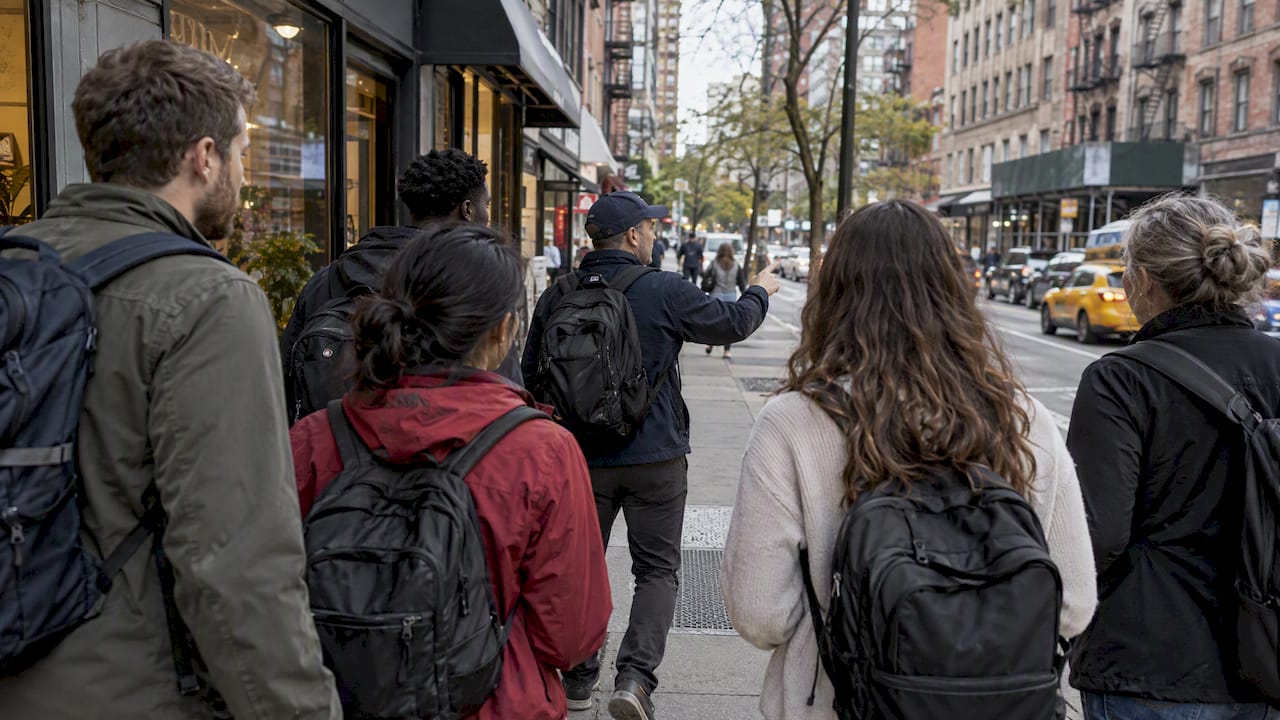
Before anything else, decide your trip’s purpose and lock in a vetted local partner. Every other decision, from your timeline to your budget, flows from those two choices. Build your plan around three non-negotiables: safeguarding your team and the children you serve, a realistic timeline, and a budget with room for the unexpected. Groups ready for hands-on urban ministry may explore a mission trip as a direct next step.
TL;DR:
- International trips need nine months or more; domestic and urban trips can be planned in eight to twelve weeks, with one owner per task.
- Screen every adult through an application, references, and a background check; appoint a Child Protection Officer and keep interactions between adults and children observable.
- For international travel, consult a travel health provider weeks before departure; for every trip, prepare a basic health kit and collect signed medical summaries.
- Itemize travel, lodging, meals, transportation, supplies, and insurance, then set a contingency fund and approve refund rules before fundraising begins.
- After returning, reconcile receipts within two weeks, report spending and outcomes to leaders and partners, and send donors a stewardship update.
Start by writing one to three clear goals for your trip: spiritual formation for your team, direct community service, or relationship building with a local congregation. Vague goals produce vague trips, so name what success looks like before you book anything.
Once your goals are set, vet potential partners against them. Ask prospective ministry partners these questions:
Lifeway Research found that trips achieve better long-term impact when tied to a discipleship strategy rather than treated as an isolated event. Choose a partner and a focus that fit into what your church is already building toward, not a one-time detour from it.
Lead time depends on scope. International trips with flights, visas, and vaccines generally need nine months or more of planning. Domestic and urban trips, including most short-term trips to New York City, can run on an eight to twelve week timeline since there is no international travel to coordinate.
Assign one owner per task category rather than leaving items to “the committee.” A logistics lead handles transportation and housing, a safety lead owns background checks and the code of conduct, and a finance lead tracks the budget and fundraising, using tools from the Community Search Playbook for Families to coordinate volunteers effectively. Clear ownership is what keeps a checklist from becoming a pile of good intentions.
Safeguarding is not optional, and it starts before your team ever boards a plane or van. At minimum, every adult volunteer should complete an application, submit references, and pass a background check.
The Christian Alliance for Orphans outlines these practices as core to responsible short-term missions, and the Christian Camp and Conference Community recommends building them into a written church missions policy rather than handling them case by case. Our team walks churches through background checks for church volunteers as part of standard trip preparation.
Pro Tip: Run background checks the same week applications close, not the week before departure.
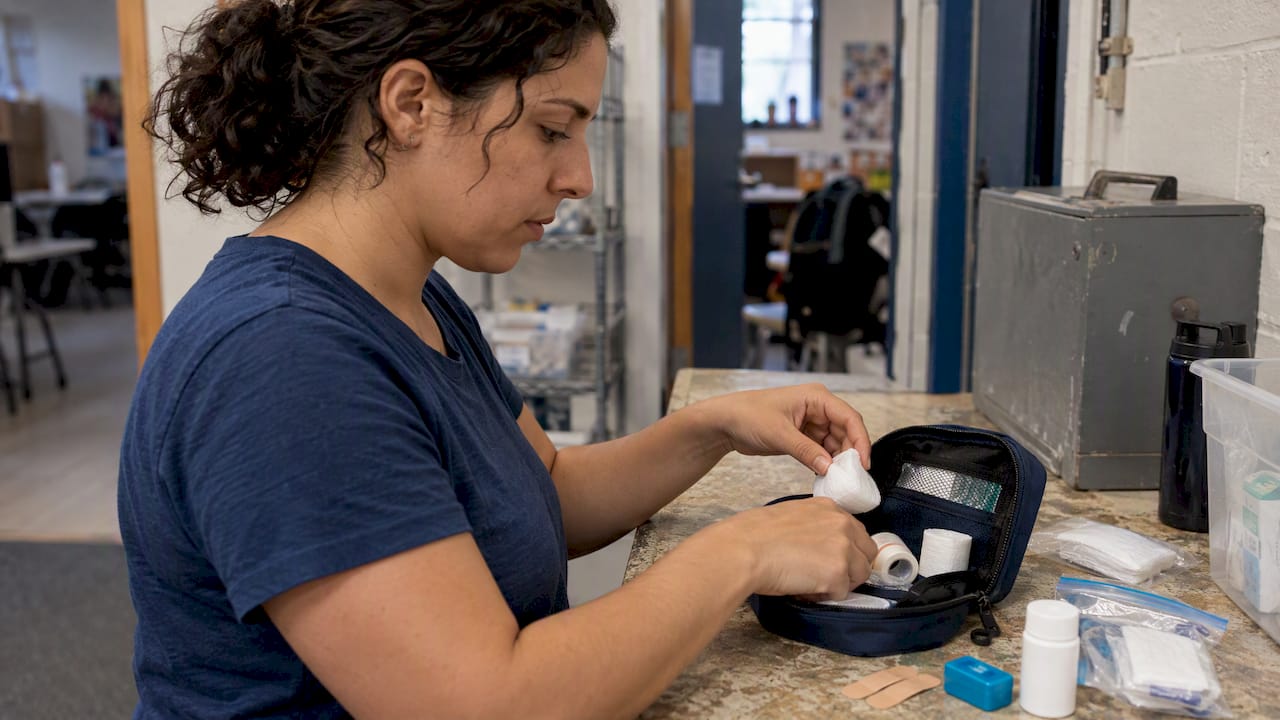
Health preparation protects both your team and the people you serve. If your trip involves international travel, the CDC Yellow Book recommends consulting a travel health provider weeks before departure to review destination-specific vaccines and medications.
Even domestic urban trips benefit from a basic travel health kit and a written medical summary for every participant, according to the CDC Yellow Book, which also outlines what a group kit should contain.
Logistics problems rarely show up until the week of travel, which is exactly why they need attention early. Passport processing times vary, so apply or renew well ahead of your trip and make two copies of every passport, stored separately from the originals.
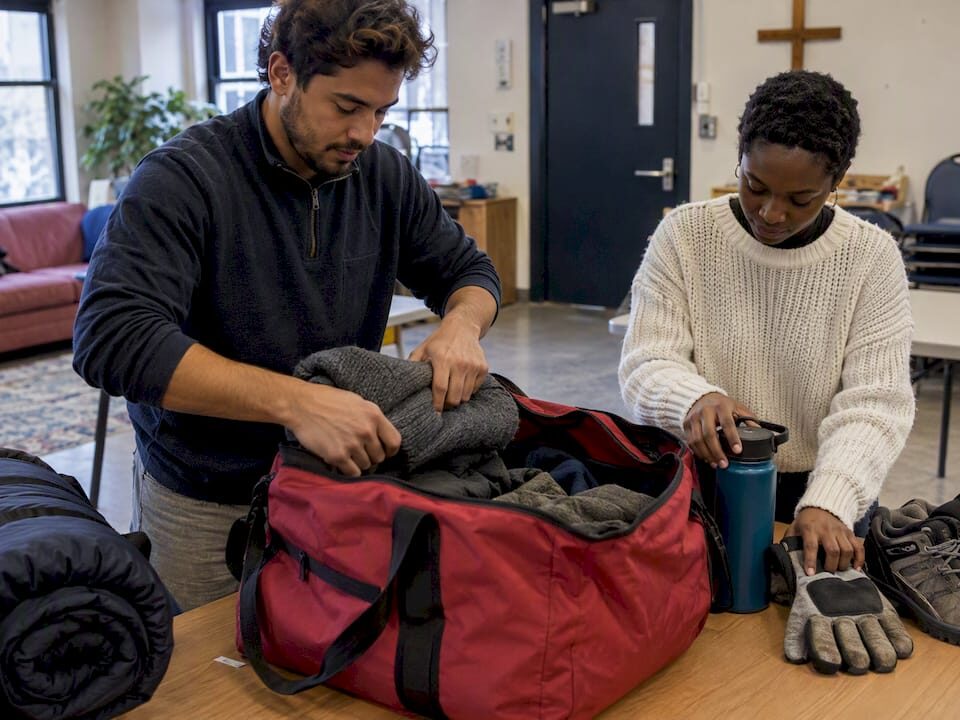
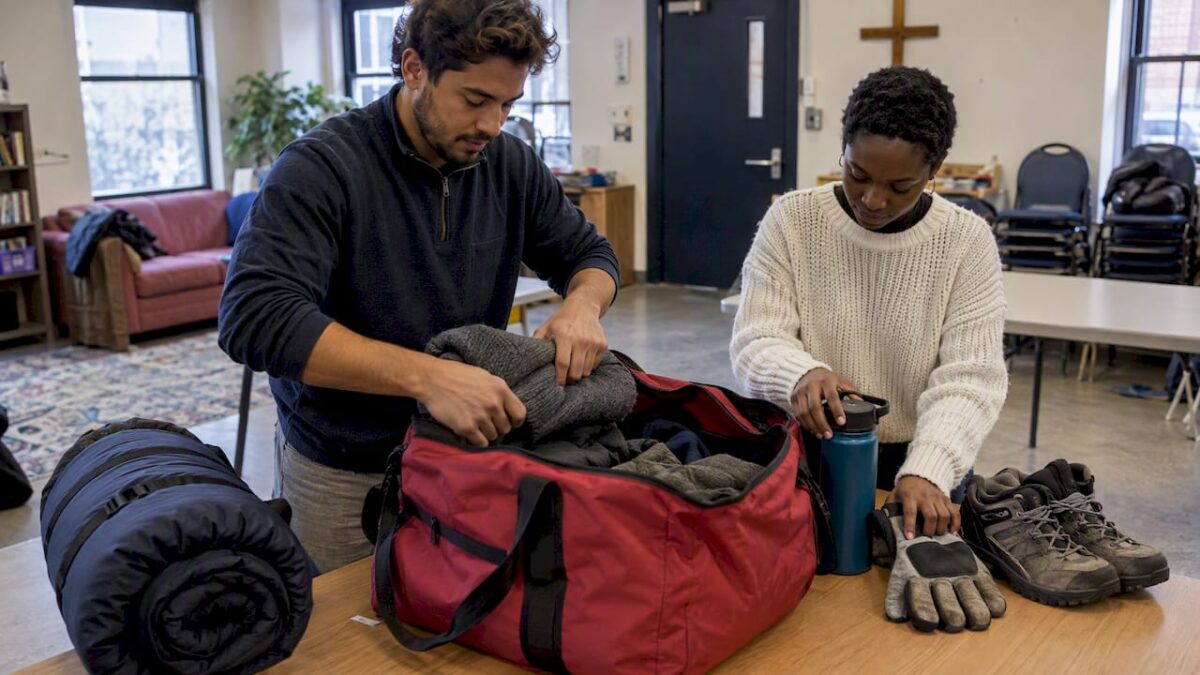
Our care bag list gives teams a practical starting point for packing supplies for outreach to people experiencing homelessness. Designate one leader to hold backup copies of every document, travel itinerary, and medical summary in case originals are lost.
A defensible budget starts with clear line items: travel, lodging, meals, local transportation, project supplies, insurance, and a contingency fund. Build the contingency into your budget from the start rather than scrambling for it later.
The CCCC’s short-term missions policy guidance recommends a formal approval workflow for fundraising, including a written project proposal with goals, dates, and budget attached. That paper trail protects your church and your donors alike.
Orientation is where good intentions become readiness. Cover these topics before departure:
Burnout is a real risk for short-term teams, and the Lausanne Movement notes that proactive measures, careful selection, realistic expectations, and ongoing member care, prevent it more effectively than reacting after the fact. Our ministry training programs build these elements into every team’s preparation.
Pro Tip: Run one full-length rehearsal of your first day’s schedule so new volunteers know what to expect before they’re on the street.
A trip only serves people well when it respects what local leaders already know about their own community. Before committing to a partnership, ask these questions and revisit them throughout planning.
Avoid short-term fixes that create dependency or duplicate work already underway. Our Christian outreach model is built on sustained local partnerships rather than one-time events, which is part of why teams return year after year.
The trip’s impact depends partly on what happens after you get home. Hold a debrief session with structured reflection questions: what surprised you, what challenged your faith, and where do you see God working next.
A trip that ends with a slideshow and nothing else wastes the momentum it built.
Short-term trips work best when training is not an afterthought. We built our approach around immersive preparation across New York City’s five boroughs because volunteers who understand the context serve more effectively and more humbly.
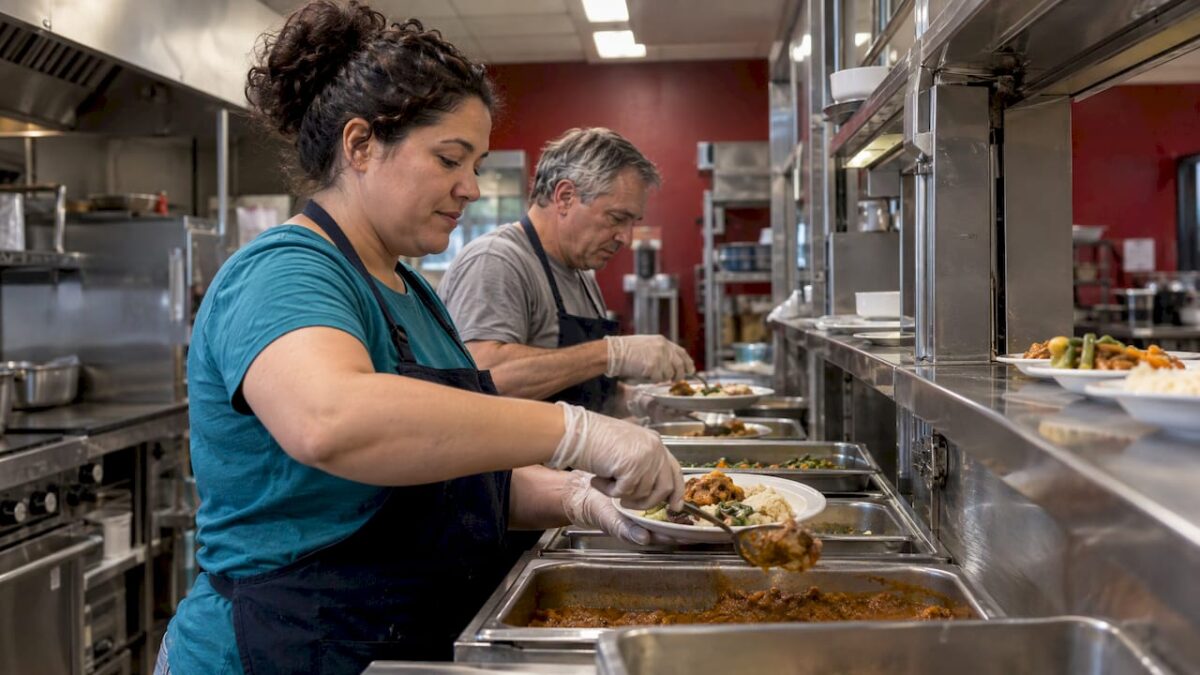
Training programs can reach thousands of trainees annually, and outreach initiatives may serve many meals, reflecting sustained partnership rather than isolated events. Responsible preparation is what makes urban mission work last.
— Pastor Peter M. DeArruda NYSUM President
We handle the training, local partnerships, and many of the logistics so your team can focus on the people you came to serve. Our Weekend Package, 3-Day Trip, and 5 Day Trip options each include structured ministry training alongside hands-on outreach across the city.
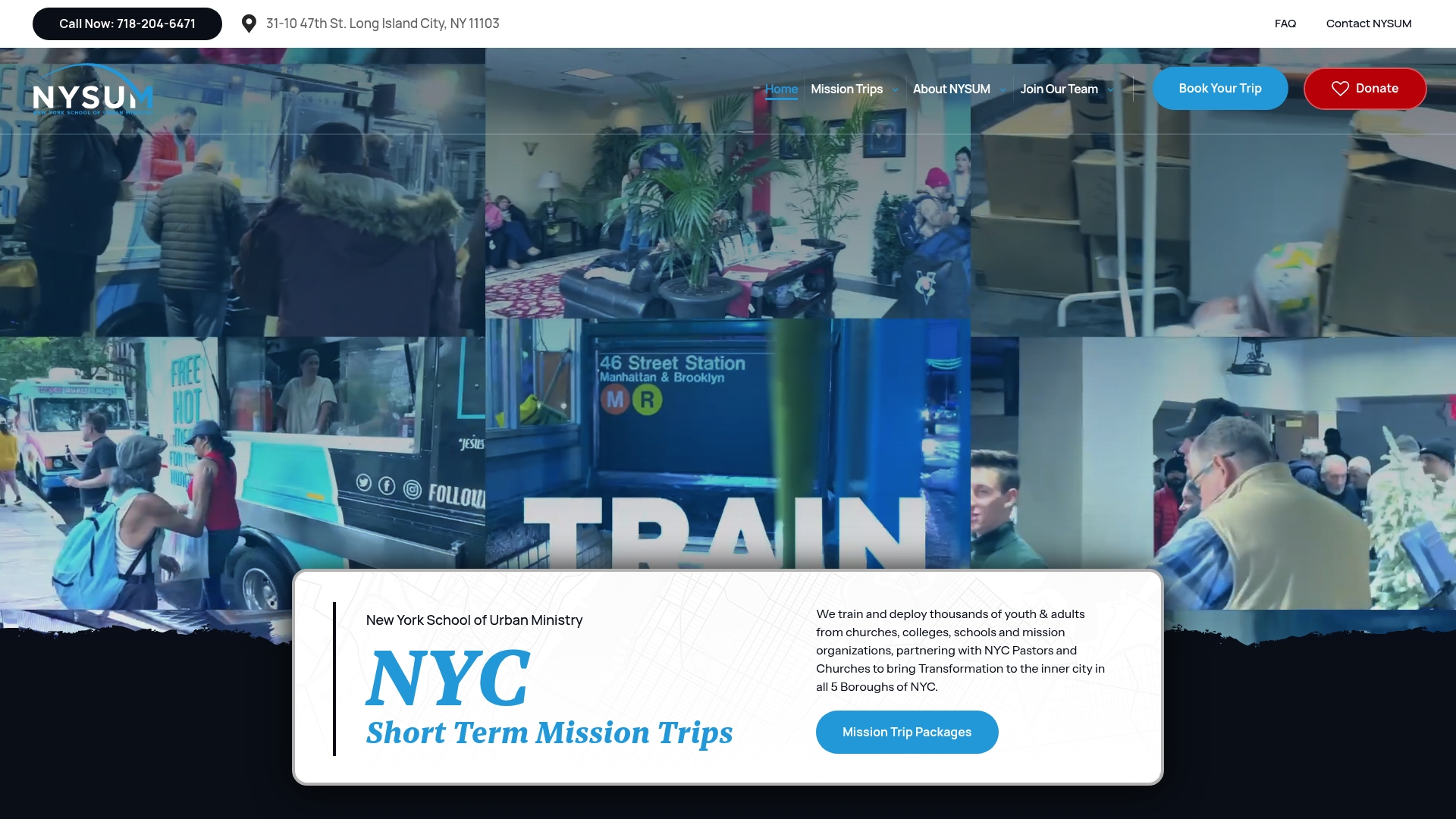
Lodging and meal plans are available for teams of every size, and our Ministry Packages page lays out what each trip includes. If your church, youth group, or college ministry is ready to put faith into action in New York City, visit our reservations page to check dates and start planning your group’s trip.
Start by defining your purpose and securing a vetted local partner, then build your timeline backward from your departure date. Most first-time leaders benefit from a managed trip, where training, lodging, and local coordination are already structured, such as a Discover NYSUM weekend or a Weekend Package.
Encourage them to stay open to what they will learn from the community they are serving, not just what they plan to give. A simple word of prayer and encouragement to serve with humility goes further than detailed advice.
Both terms are used, but “mission trip” is the more common and grammatically standard form in American English. “Missions trip” appears informally in some church communities but is not the preferred usage.
Yes, most short-term mission trips carry a per-person fee covering training, lodging, meals, and local transportation. For example, our Weekend Package runs $241 to $251 per person, while a 5 Day Trip runs $544 to $566 per person.
Domestic and urban trips generally require at least two to three months of lead time, while international trips often need significantly longer planning time to account for visas and vaccines. Starting early gives your team enough runway for background checks, fundraising, and orientation.
Tel: 718.204.6471 | Email: info@nysum.org
This website uses cookies
We use cookies to personalise content and ads, to provide social media features and to analyse our traffic. We also share information about your use of our site with our social media, advertising and analytics partners who may combine it with other information that you’ve provided to them or that they’ve collected from your use of their services.
Cookies are small text files that can be used by websites to make a user's experience more efficient.
The law states that we can store cookies on your device if they are strictly necessary for the operation of this site. For all other types of cookies we need your permission. This means that cookies which are categorized as necessary, are processed based on GDPR Art. 6 (1) (f). All other cookies, meaning those from the categories preferences and marketing, are processed based on GDPR Art. 6 (1) (a) GDPR.
This site uses different types of cookies. Some cookies are placed by third party services that appear on our pages.
You can at any time change or withdraw your consent from the Cookie Declaration on our website.
Learn more about who we are, how you can contact us and how we process personal data in our Privacy Policy.
Please state your consent ID and date when you contact us regarding your consent.