November 5, 2026
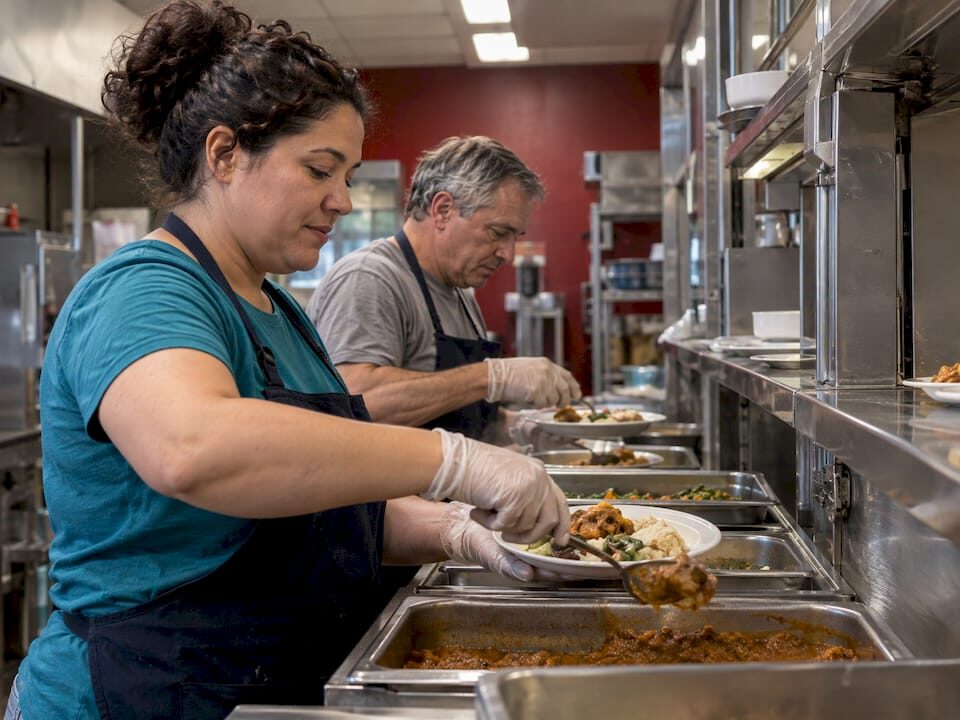
A practical guide to domestic mission trips for churches, youth and college groups: what the work looks like, how to prepare safely, and what NYC trips cost.

We also accept other Non-Traditional Gifts.
Click here to learn more
We also accept other Non-Traditional Gifts.
Click here to learn more
We also accept other Non-Traditional Gifts.
Click here to learn more
We also accept other Non-Traditional Gifts.
Click here to learn more
We also accept other Non-Traditional Gifts. Click here to learn more
We also accept other Non-Traditional Gifts. Click here to learn more

Act Before Two Weeks: How Pastors Stop Compassion Fatigue
September 23, 2026
86,400 in Shelters: Homelessness Data for NYC Researchers
October 5, 2026New York School of Urban Ministry
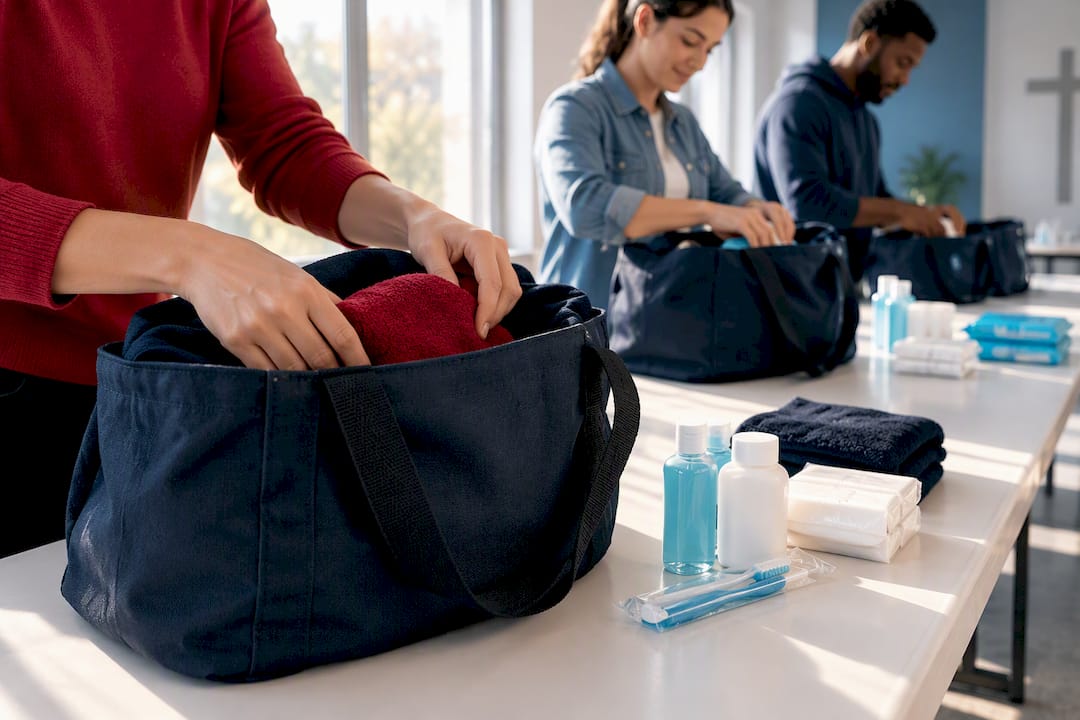
Every effective care bag covers five categories: clean socks, a small hygiene kit, nonperishable snacks and water, basic first-aid or PPE supplies, and a printed local resource card. Pack for dignity as much as for need, and keep safety rules in place for both volunteers and recipients. Below is the full, prioritized checklist your team can use to shop, pack, and distribute with confidence.
TL;DR:
- Each care bag should include sealed, nonperishable snacks and water, new socks, hygiene supplies, first-aid and PPE items, and a printed local resource card for safety and dignity.
- Volunteers must carry PPE like gloves, masks, and hand sanitizer, and package each bag in water-resistant containers with clear labels and packing dates for safety.
- Sourcing supplies in bulk and assigning specific roles for procurement, packing, and distribution help manage costs and streamline outreach efforts efficiently.
- Weather and holiday conditions require adjusting contents, such as adding thermal gear for cold weather or distributing vouchers instead of perishable food during holidays.
- Training volunteers on trauma-informed engagement and cultural sensitivity improves interactions, trust, and overall effectiveness of outreach in diverse urban environments.
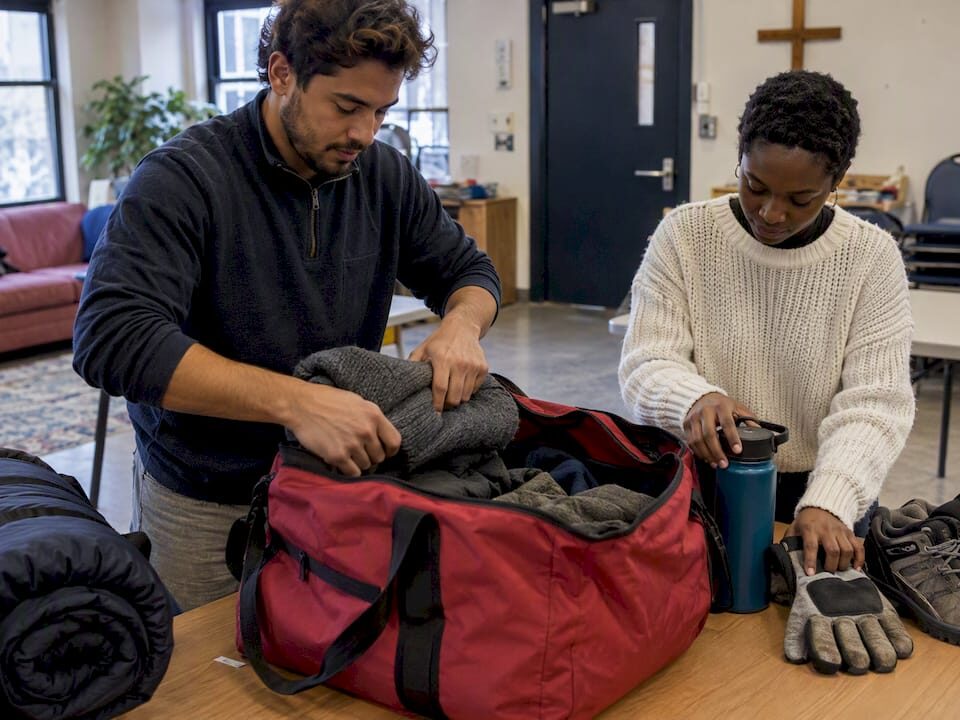
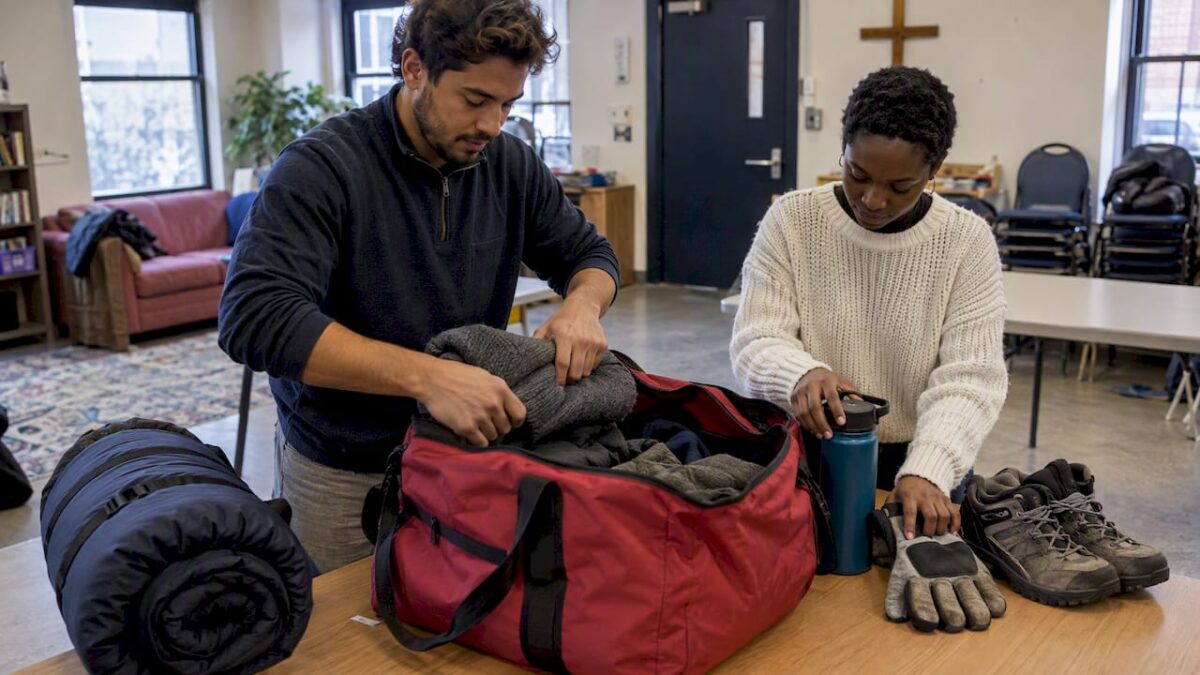
A well-packed care bag balances practicality with respect. Start with a water-resistant, resealable outer bag such as a gallon freezer bag or a small drawstring pouch, then layer in items by category so nothing gets crushed or lost at the bottom.
Essentials
Hygiene kit
First aid and PPE
Clothing and weather items
Extras and rapport builders
Information
This list reflects the same core categories the VA’s homeless outreach kit guidance recommends: nonperishable food, water, socks and underwear, hygiene supplies, first-aid basics, and referral cards. Teams heading into any borough of New York City can use this exact grouping as a packing checklist, whether you are preparing for a single afternoon of outreach or a week-long mission trip.
How you package a care bag matters almost as much as what goes inside. Use a water-resistant outer bag and seal any item that could be mistaken for perishable food, even if it is shelf-stable. Choose factory-sealed snacks over anything homemade or open, since shelters and recipients alike are more comfortable with sealed packaging.
Every volunteer heading out for a distribution shift should carry a personal safety kit. The HUD Infectious Disease Toolkit for Continuums of Care recommends outreach workers bring the following on every visit:
Label each care bag with a simple contents list and the packing date, especially if bags will sit in storage before distribution. When you request donated clothing or hygiene items, ask donors for new or unused products, since local donation guidelines specify condition standards for what shelters and outreach programs can safely distribute.
Volunteers should never attempt medical procedures in the field. Carry referral cards, know your local hotline numbers, and hand off any medical concern to a professional resource.
Pro Tip: Keep a laminated card with local shelter and clinic numbers in your own pocket, not just in the care bags, so you can answer questions on the spot.
Running an efficient packing event starts with simple math. Count your expected number of distribution contacts, add a buffer of spare bags for unplanned encounters, and track supplies by item rather than by bag so you know exactly what runs low first.
Sourcing does not have to strain a church or youth group budget. Bulk retailers, wholesale clubs, and coordinated donation drives can cover the bulk of your supplies, and many local stores will offer a discount when you explain the outreach purpose. Partnering with other congregations to split costs on socks, hygiene items, and snacks in bulk often stretches a budget further than buying everything alone.
Assign clear roles before your packing event begins:
Store finished bags in labeled bins, kept dry and at room temperature, and coordinate a clear return point for any leftover supplies or trash generated during the outreach shift.
Weather and season change what belongs in a care bag. Cold-weather kits need thermal socks, a hat, gloves, hand or body warmers, and an emergency blanket, ideally packed with new hygiene and clothing items since cold-season need tends to spike. Warm-weather kits shift toward sunscreen packets, extra bottled water, lightweight socks, and a cap for sun protection.
Holiday outreach carries its own logistics. Coordinate directly with shelters before distributing meals, avoid handing out unpackaged perishable food, and consider vouchers or a coordinated meal distribution instead. NYSUM’s own Backpack Outreach programming gives teams a model for structuring seasonal outreach without overloading either volunteers or recipients.
A care bag works best as a bridge into conversation, not as the end of the interaction. Handing someone a pair of socks or a warm drink often opens a few minutes of real conversation, and listening in that moment matters more than the item itself.
You can never have enough clean socks, and small, practical items open trust faster than anything else in the bag.
NHCHC field practitioners, Healing Hands
Simple phrases go a long way: “Would you like a bag with some snacks and hygiene items?” respects a person’s right to decline, and “Here’s a card with a shelter and clinic number, just in case” offers help without pressure. If someone describes a medical emergency or an urgent safety concern, that is the moment to make a soft handoff to a professional resource rather than trying to solve it yourself.
NYSUM offers training that pairs hands-on outreach with supervised, trauma-informed preparation so church and youth teams can serve vulnerable residents with compassion and competence.
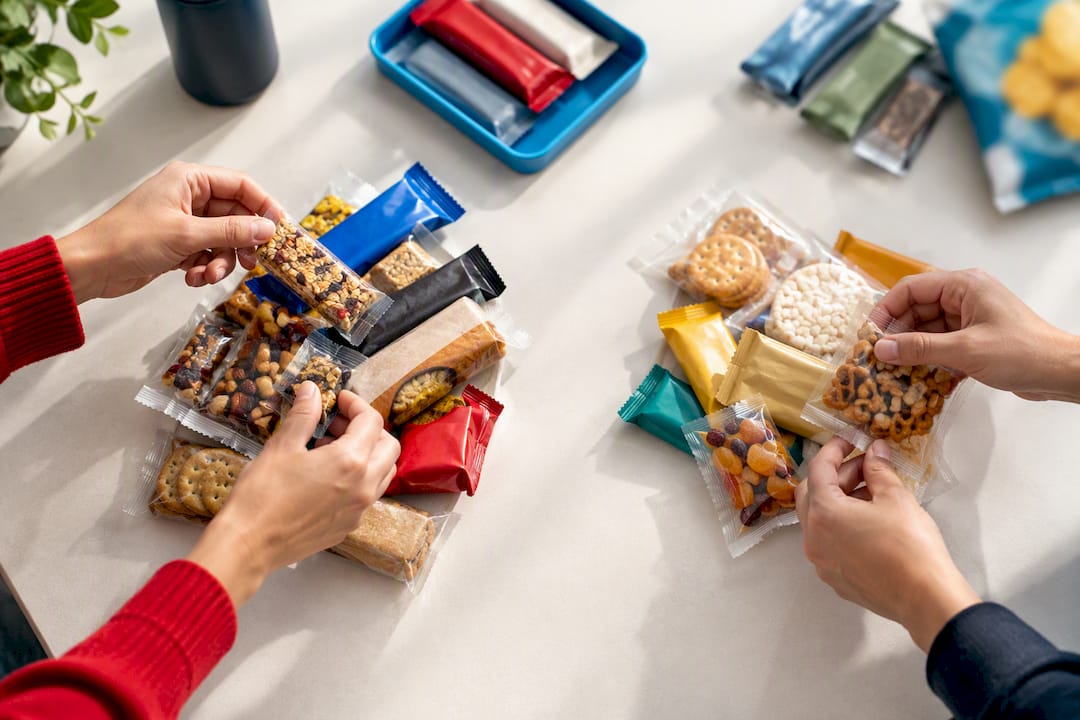
Snack selection deserves the same care as hygiene items. Many people your team will meet manage diabetes, food allergies, or dietary restrictions tied to faith or health, so a one-size-fits-all snack bag can unintentionally exclude someone or cause harm.
Pack a mix rather than a single snack type. Include at least a few nut-free protein bars, since nut allergies are common and severe, along with some low-sugar or sugar-free options for anyone managing diabetes. Individually wrapped, factory-sealed snacks make it easy for a recipient to check the label themselves before eating.
Avoid anything homemade, since recipients often cannot verify the ingredients or allergen risk of unlabeled food. When your church or youth group sources snacks in bulk, read labels for common allergens like peanuts, tree nuts, and dairy, and set aside a portion of your bags as clearly marked allergen-friendly options. A quick label check at your packing event takes only a few extra minutes and prevents a well-meant gift from becoming a health risk.
Physical needs matter, but a care bag that only addresses hunger and hygiene misses part of the picture. Small comfort items communicate that a person is seen as more than a problem to solve.
Hygiene wipes and a small travel-size lotion or lip balm cost little but offer real relief, especially in extreme weather. A handwritten note with a short, encouraging message, without being preachy or presumptuous, can mean as much to someone as the practical items in the bag. Keep the tone warm and simple rather than lengthy or scripted, since a genuine short note lands better than an elaborate one.
Some teams include a small pocket-size devotional or a card with a simple prayer, offered without pressure and never as a condition for receiving the rest of the bag. The goal is presence, not persuasion. A person struggling with housing instability is often carrying stress that no item can fix, so treat every comfort item as a small gesture of dignity rather than a solution, and let your tone of voice during distribution carry as much weight as anything you hand over.
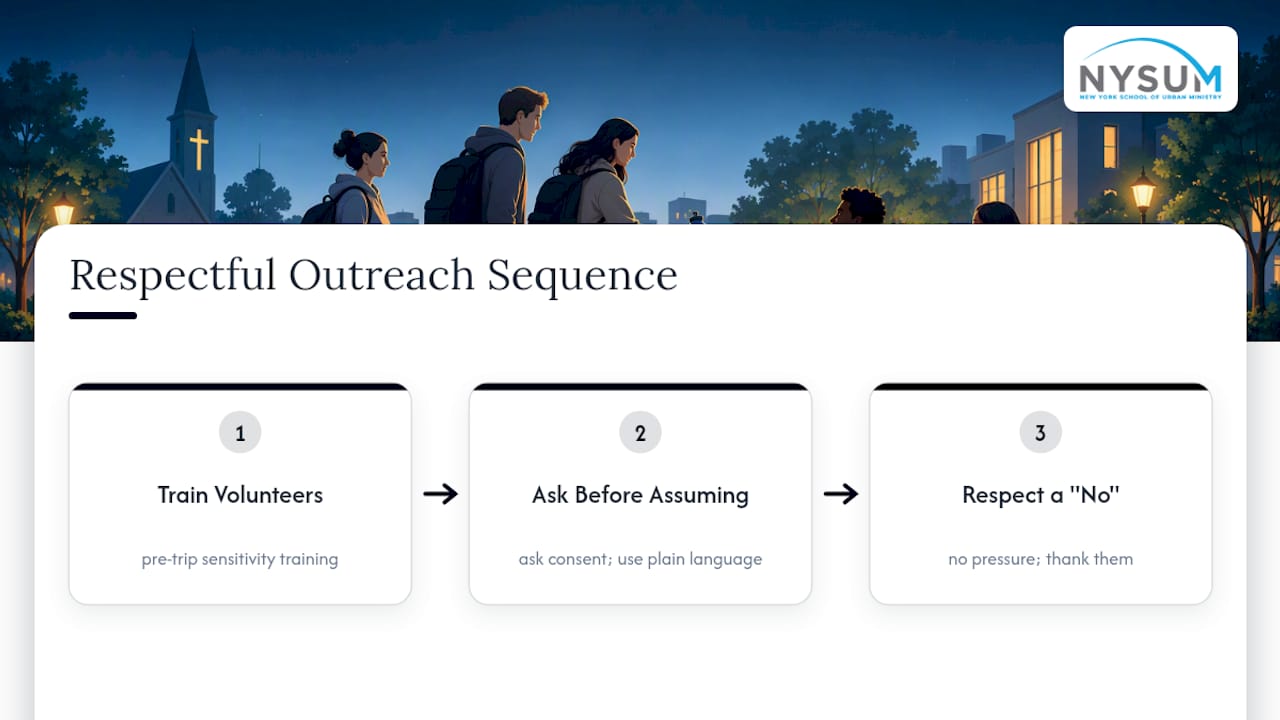
Outreach happens across a wide range of backgrounds, languages, and life experiences, and volunteer training should prepare your team for that reality before the first bag is ever handed out. A brief pre-trip training session covering basic cultural sensitivity can prevent well-intentioned missteps.
Teach volunteers to ask before assuming: someone’s circumstances, background, or story is their own to share, not something to guess at out loud. Encourage plain, respectful language over labels, and remind volunteers that eye contact, a calm tone, and a willingness to simply ask “How can I help today?” often matter more than anything said next.
Respect also means accepting a “no.” Some people will decline a bag or a conversation, and that choice deserves the same courtesy as an enthusiastic yes. NYSUM’s own trauma-informed training, drawn in part from principles outlined on its trauma-informed ministry resource, gives volunteer teams a framework for this kind of respectful engagement before they ever step onto a city block. Groups that complete this type of preparation often distribute care bags more confidently and effectively.
Every mission team that packs and distributes care bags learns the same lesson: dignity and safety are not separate goals, they work together. A well-labeled bag, a volunteer who knows the local resource numbers, and a team member who simply listens for two extra minutes can turn a routine handout into a real moment of connection.
If your church, youth group, or college ministry is preparing for hands-on outreach in New York City, proper training changes the outcome. Consider bringing your team through a NYSUM mission trip, where supervised outreach and practical preparation turn a checklist like this one into lived experience on the streets of the city.
— Pastor Peter M. DeArruda NYSUM President
Packing the right care bag is only half the work. NYSUM prepares church groups, youth ministries, and college teams with hands-on training, supervised street outreach, lodging, meals, and transportation so your group can serve confidently across New York City’s five boroughs.
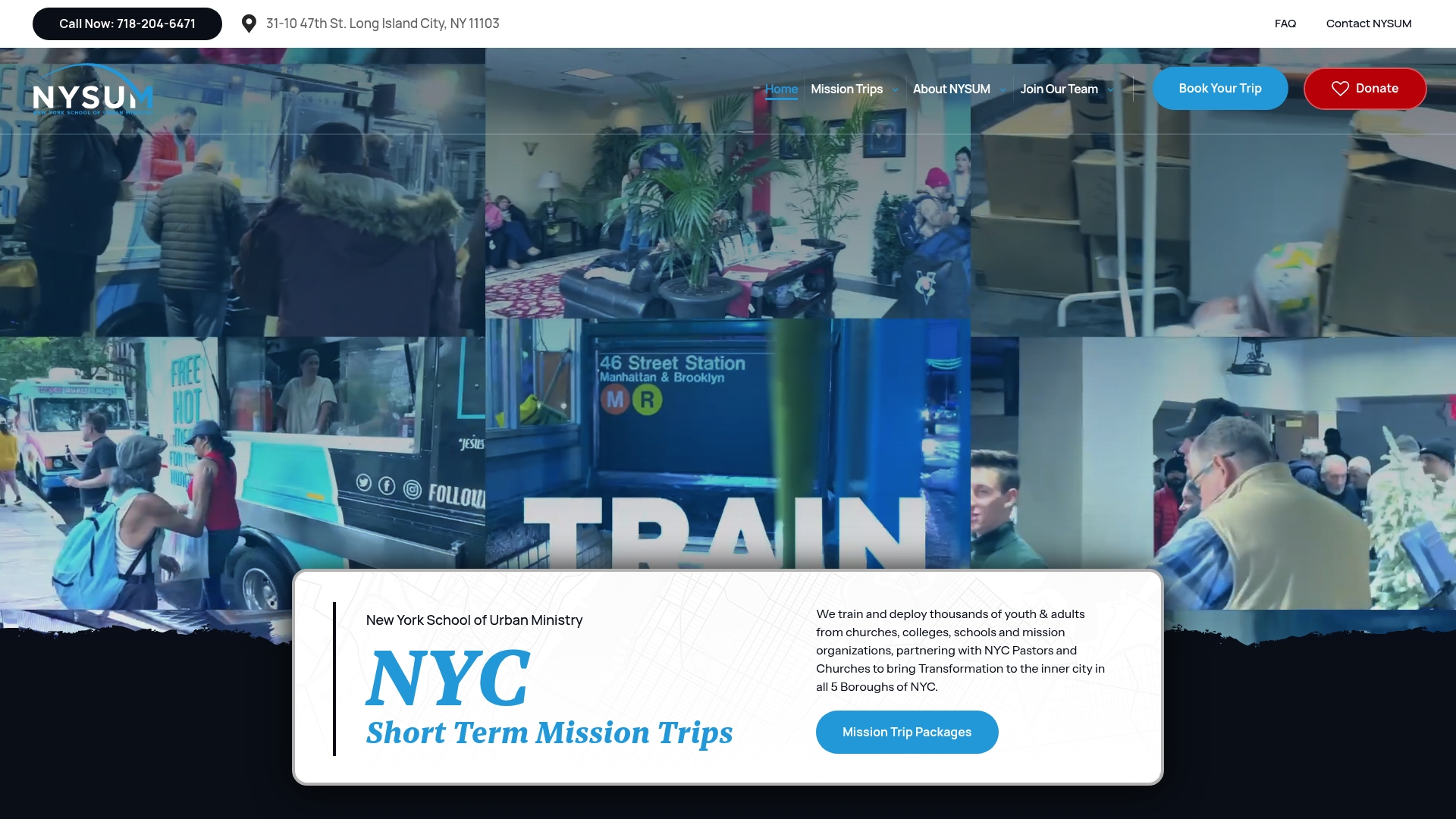
Whether your congregation is coming from Texas, Georgia, Ohio, or anywhere across the country, our ministry packages range from a Weekend Package to a full 5 Day Trip, each built around real outreach experience rather than a one-time event. Visit our reservations page to check dates and pricing for your group, or reach out directly if you are ready to bring your church, youth group, or college ministry to NYC for a mission trip that puts faith into action.
The five highest-priority categories are clean socks, a small hygiene kit, nonperishable snacks and bottled water, basic first-aid or PPE supplies, and a printed local resource card. Covering these five categories first ensures every bag meets both immediate physical needs and a path to further help.
Yes. The HUD Infectious Disease Toolkit recommends every outreach volunteer carry disposable gloves, masks, hand sanitizer, and resealable waste bags on each distribution shift, separate from the items packed inside the care bags themselves.
Choose individually wrapped, factory-sealed snacks so recipients can check ingredient labels themselves, and include a mix of nut-free and low-sugar options. Avoid homemade food entirely, since recipients cannot verify unlabeled ingredients or allergen risk.
Volunteers should carry basic first-aid items like bandages and antiseptic wipes but should never perform medical procedures. Refer any medical concern to a local clinic or hotline using the printed resource card included in the bag.
Structured, supervised training makes the biggest difference for a first-time outreach team. A NYSUM mission trip pairs hands-on care bag distribution with trauma-informed training so your group can serve with both confidence and compassion in New York City.
Tel: 718.204.6471 | Email: info@nysum.org
This website uses cookies
We use cookies to personalise content and ads, to provide social media features and to analyse our traffic. We also share information about your use of our site with our social media, advertising and analytics partners who may combine it with other information that you’ve provided to them or that they’ve collected from your use of their services.
Cookies are small text files that can be used by websites to make a user's experience more efficient.
The law states that we can store cookies on your device if they are strictly necessary for the operation of this site. For all other types of cookies we need your permission. This means that cookies which are categorized as necessary, are processed based on GDPR Art. 6 (1) (f). All other cookies, meaning those from the categories preferences and marketing, are processed based on GDPR Art. 6 (1) (a) GDPR.
This site uses different types of cookies. Some cookies are placed by third party services that appear on our pages.
You can at any time change or withdraw your consent from the Cookie Declaration on our website.
Learn more about who we are, how you can contact us and how we process personal data in our Privacy Policy.
Please state your consent ID and date when you contact us regarding your consent.