November 5, 2026
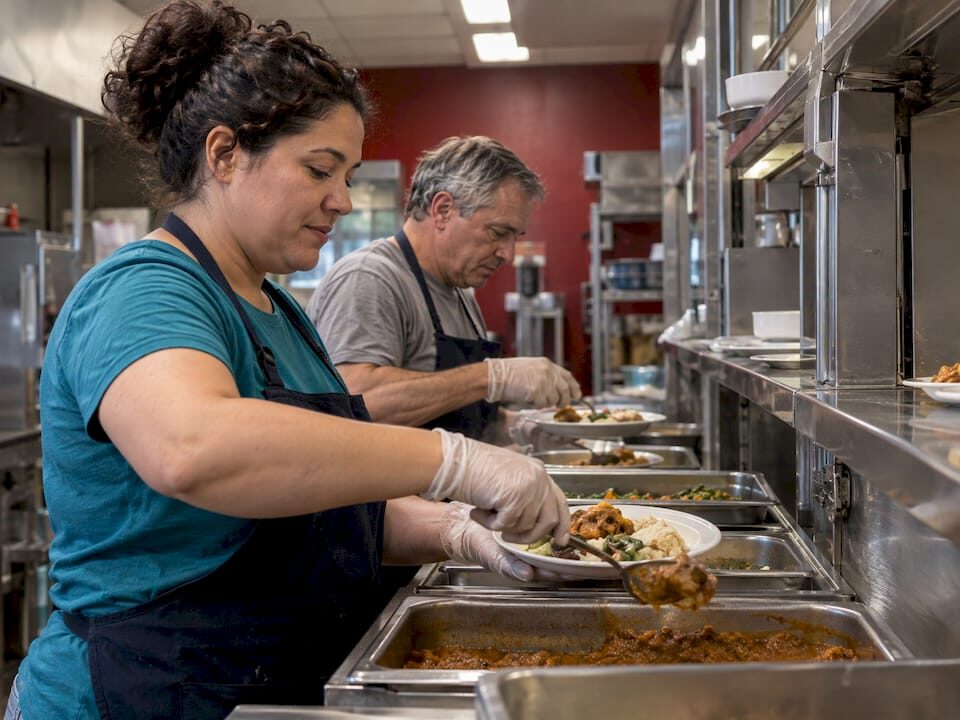
A practical guide to domestic mission trips for churches, youth and college groups: what the work looks like, how to prepare safely, and what NYC trips cost.

We also accept other Non-Traditional Gifts.
Click here to learn more
We also accept other Non-Traditional Gifts.
Click here to learn more
We also accept other Non-Traditional Gifts.
Click here to learn more
We also accept other Non-Traditional Gifts.
Click here to learn more
We also accept other Non-Traditional Gifts. Click here to learn more
We also accept other Non-Traditional Gifts. Click here to learn more

Urban Apologetics: Defending the Faith in the City
October 26, 2026
Mission Trip Packing List for Urban and Winter Trips
November 2, 2026New York School of Urban Ministry
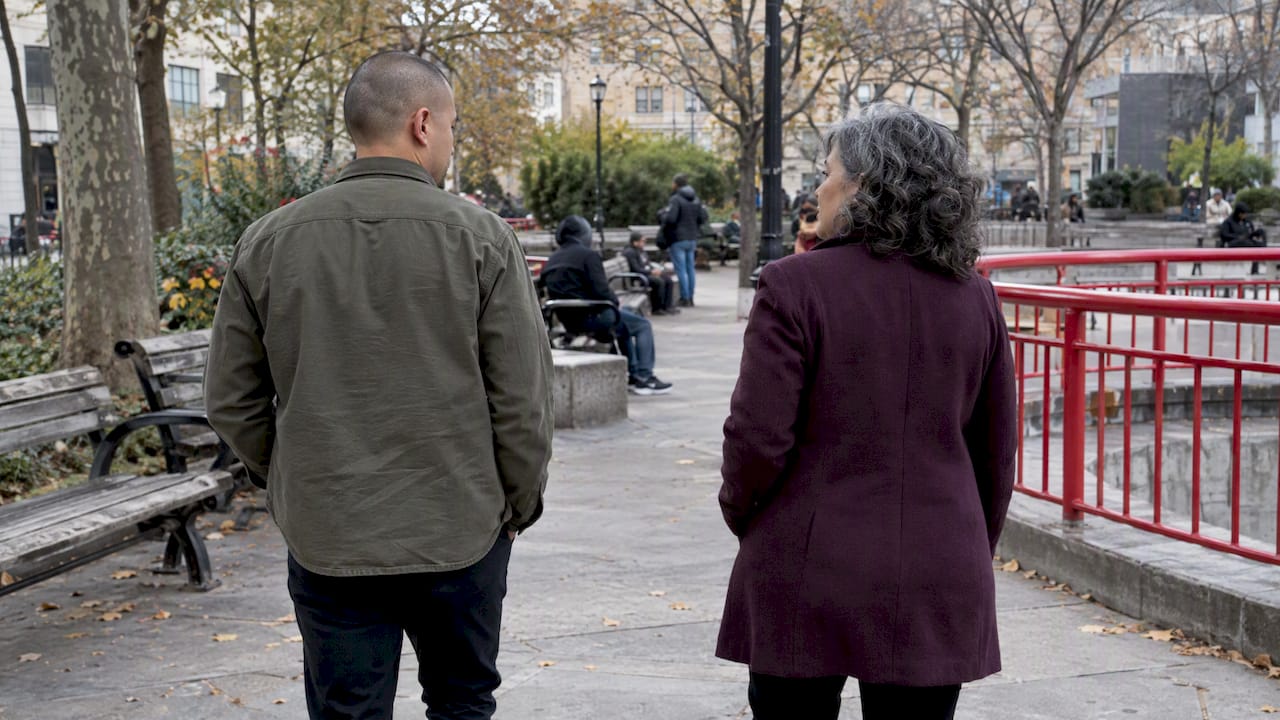
Good homeless outreach training teaches your volunteers four things before they meet anyone on the street: how to approach with respect, how to stay safe in pairs, how to connect people to real services instead of only handing out supplies, and when to step back for trained professionals. Goodwill matters, but preparation is what turns it into help. Below we walk through what training should cover, how to put it into practice, and how a group can serve alongside local teams in a city like New York.
Most church groups and college ministries that start street outreach come with a real heart for people. The risk is not a lack of love. It is walking up to someone in a hard moment without knowing how to do it well, how to stay safe, or where to send them afterward.
The National Alliance to End Homelessness published its Housing-Focused Street Outreach Framework in February 2025. It is written for professional outreach programs, but its preparation steps apply to volunteer teams as well: training and shadowing, clear crisis-response policies, a visual check of locations beforehand, working in pairs, and sharing schedules and locations with someone who is not on the team.
The federal Core Elements of Effective Street Outreach, published by the U.S. Interagency Council on Homelessness in 2019, make a point that every group should hear early. Outreach should be coordinated with local systems, tailored to the community, person-centered, and culturally responsive. Its aim is connecting people to housing and supportive services, not merely distributing supplies.
That changes how a group thinks about a Saturday morning. A bag of socks is a good start. A relationship, a name, and a next step are better.
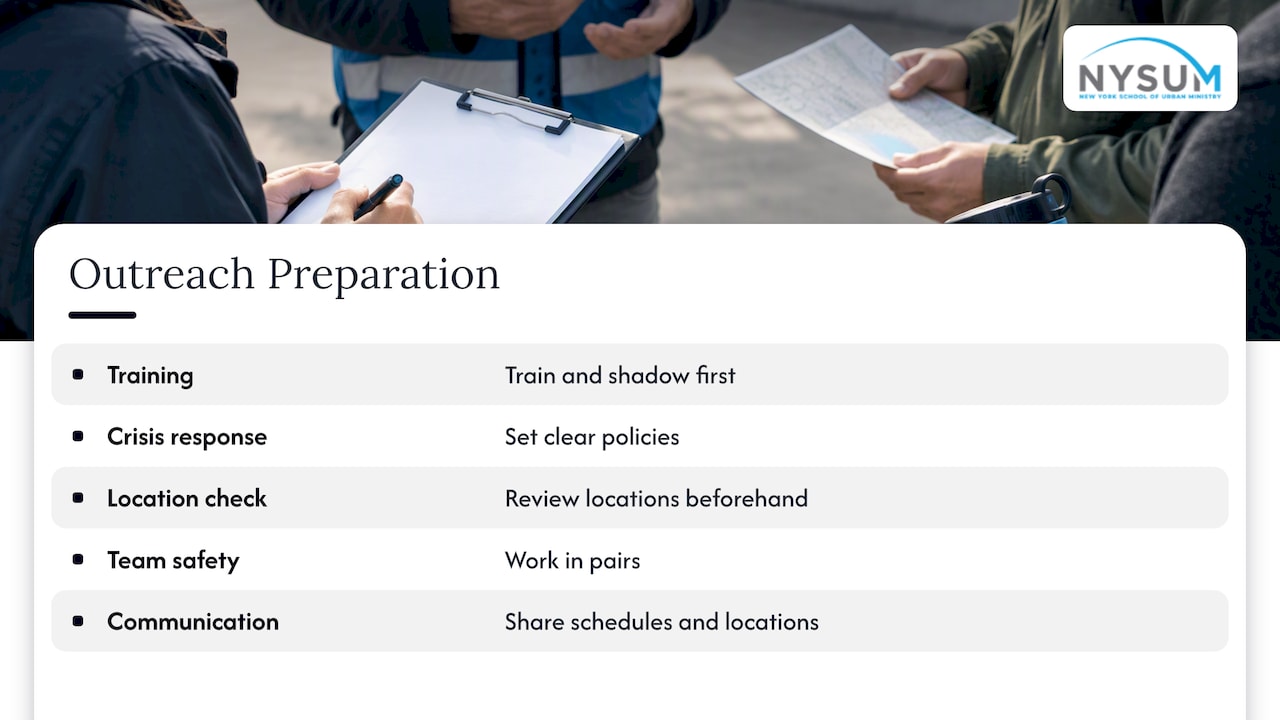
If you are building a training for your own team, or judging whether a trip or workshop is worth your time, look for these six areas.
Before skills, settle purpose. Is your team serving alongside an established outreach effort? Are you bringing a meal, a prayer, a bag of supplies, a listening ear? Volunteers who can say in one sentence who they are and why they are there tend to put people at ease. The NAEH framework lists introducing the organization and its purpose clearly as a core part of engagement.
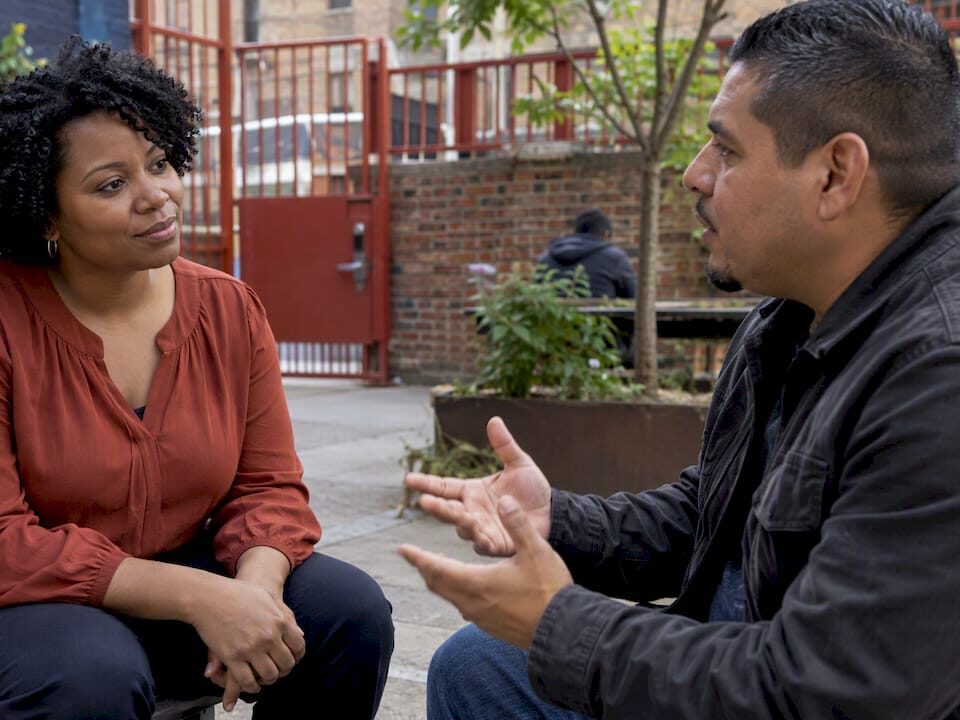
The Bureau of Justice Assistance’s guide to responding to homelessness gives a simple pattern: announce your presence, ask permission to engage, respect personal space, listen, and reflect the language the person uses without stigmatizing terms. It also suggests arriving with a need item, such as socks or medical care, so the first contact offers something useful.
In practice, that sounds like this:
Train this out loud. Have your team role-play the first thirty seconds in pairs until it feels natural, and until saying “no problem, take care” feels as easy as saying hello.
The NAEH framework asks outreach workers to respect personal boundaries and to treat sleeping locations as people’s homes. Your volunteers should not step into a tent, move belongings, take photos, or ask personal questions that are not needed to help. Autonomy is part of dignity. HUD’s coordinated entry guidance says people should have control over the process, including the right to refuse questions or to not disclose personal information. That standard belongs in volunteer training too.
Confidentiality is part of the same respect. What someone tells your team about their health, safety, or history stays with the team and the professionals who need it to help. It does not become a prayer request in the group chat or a story for the church bulletin.
The same framework calls for working in pairs, following safety protocols, and preparing before the first engagement. It also names the skills that training should build: recognizing signs of escalation, maintaining composure under stress, and following a clear crisis policy.
A practical safety checklist for a volunteer team:
Many people on the street have lived through loss, violence, or institutional failure. A trauma-informed approach means you do not push, you explain what you are doing, you offer choices, and you never assume. The NAEH framework puts it as respect and empathy, participant autonomy, no assumptions, culturally appropriate service, and flexible, mobile outreach.
For a volunteer, this boils down to a few habits: sit at eye level, keep your hands visible, keep your voice calm, and let the person set the pace. Do not ask “what happened to you?” Ask “what would be helpful today?”
This is the part most volunteer trainings skip, and it is where lasting help happens. Your team should know the local Continuum of Care, the shelters and meal programs nearby, the clinics, and who to call to request outreach. The NAEH framework recommends partnerships with Continuums of Care, shelters, health providers, hospitals, libraries, transit staff, emergency responders, and other local agencies, plus clear eligibility and referral processes.
A group can do a lot: share meals, carry supplies, pray with people who ask, listen, remember names, and return. A volunteer team should not try to run assessments, manage medical or psychiatric crises, handle questions about someone’s legal status or benefits, or decide where a person should go. Those tasks belong to trained case managers, clinicians, and outreach workers.
The research supports this division of labor. A peer-reviewed 2021 report in the International Journal of Integrated Care describes a student navigator model in which students maintained a continuously updated directory of services with phone numbers, addresses, eligibility criteria, and languages. They followed up with people at two and four weeks and connected them back to case managers when needed. The students added value through structured follow-up and resource upkeep, while case managers kept responsibility for screening, care coordination, and escalation.
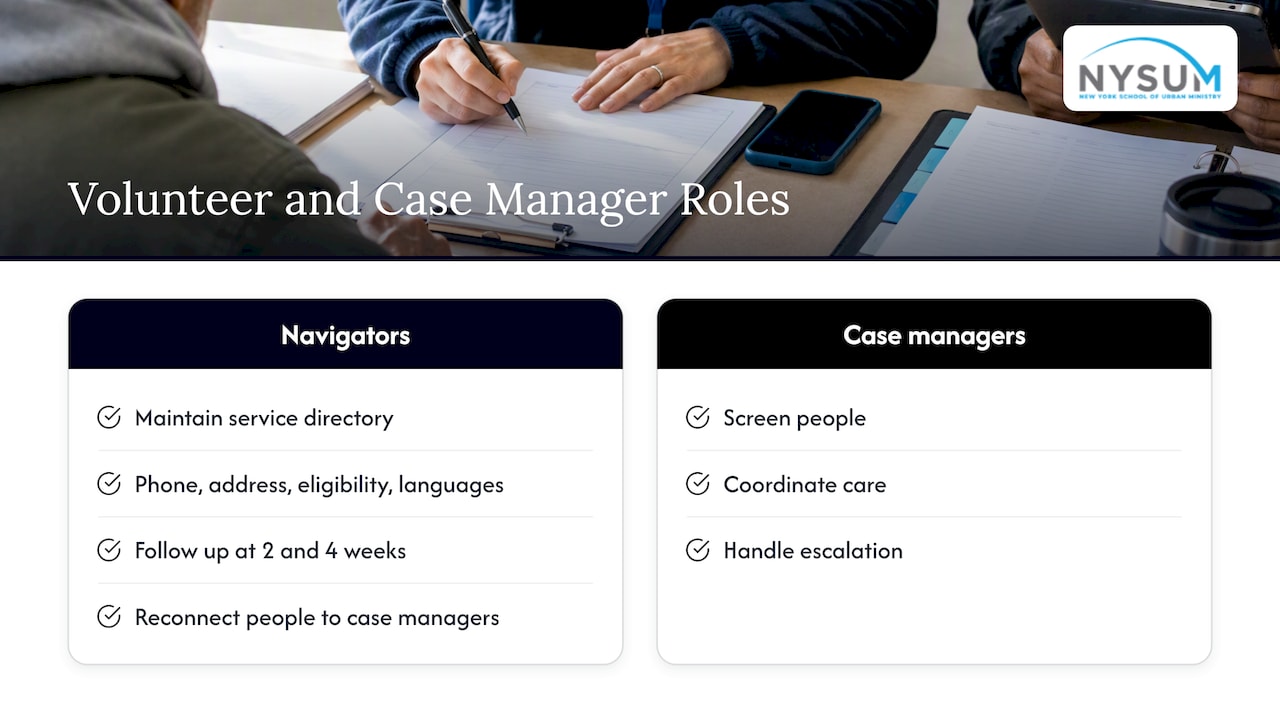
That is a healthy picture for a church or campus group: you are a bridge and a steady presence, not the whole system. If a person seems to be in medical distress, talks about harming themselves, or someone else is in danger, follow your crisis policy and call for professional help rather than managing it yourselves.
The NAEH framework’s sequence works well as a template: prepare, engage, hand off, follow through.
A flyer from last year with a dead phone number does harm. If your group wants to make a lasting contribution at home, keep a living list of local services with hours, addresses, eligibility, and languages, the same elements the student navigator study used. Organizations in the health and social care field publish community resource guides on maintaining local service information and helping people reach it, and the principles carry over to a church or campus team: assign an owner, check it on a schedule, and retire anything you cannot verify.
At NYSUM, we train people for urban ministry in New York City, and we see the same pattern with every group. The teams that serve best are not the ones with the most energy on day one. They are the ones who understood why they were there, learned to listen before speaking, worked alongside local churches and neighbors who know the streets, and treated people as people rather than as projects.
We believe outreach is discipleship in motion. It is faith put into action, and it needs humility. Our own approach pairs practical preparation with real outreach, in partnership with local churches and communities, because one-off events rarely change a neighborhood or the people who serve in it. Preparation protects the people you serve and the people you bring. It also lets your team be present instead of anxious.
We also believe a good trip changes the volunteers. Students and church members who spend time listening to neighbors in the city come home with a better understanding of poverty and homelessness, and often with a plan for their own hometown. You do not need a New York trip to serve well at home, but many groups find that learning in a place where the need is visible and the partnerships already exist gives them a pattern to carry back to Houston, Atlanta, Columbus, or Minneapolis.
— Pastor Peter M. DeArruda NYSUM President
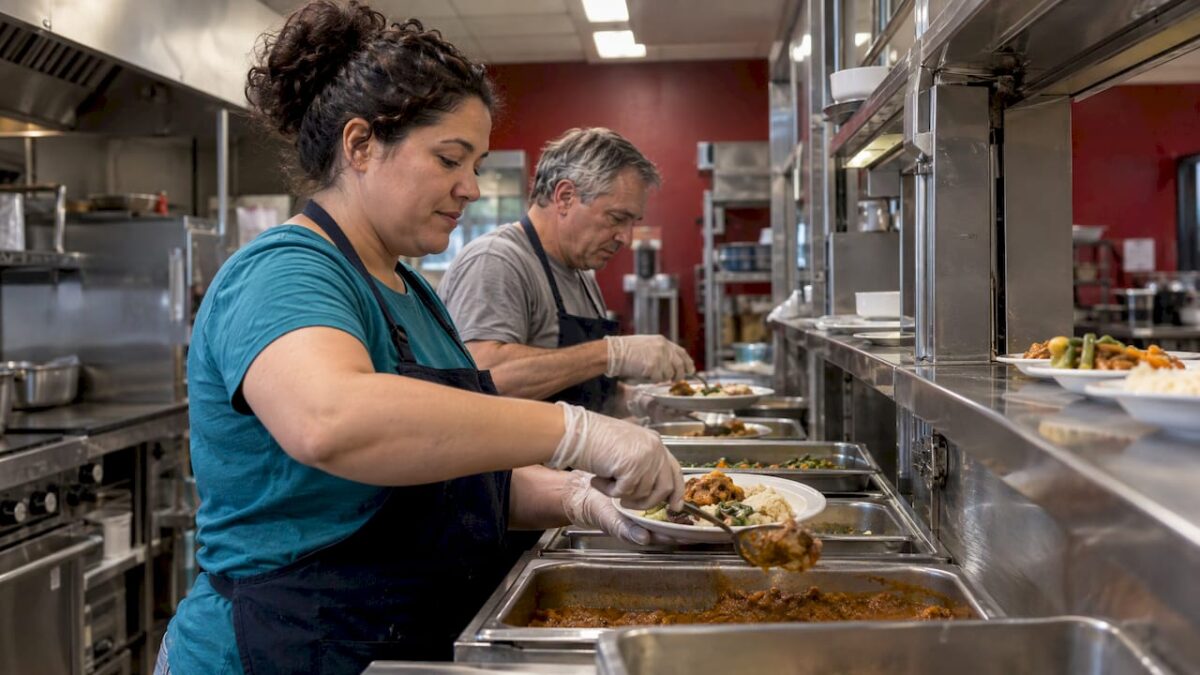
If your church, youth group, or college ministry wants hands-on training and real service, our mission trips are built around that pairing. Groups stay on our training campus, join ministry training, and serve across the five boroughs through food outreach, compassion outreach, prayer walks, and soup kitchen volunteering. Our homeless outreach in NYC page explains how the experience works, and our ministry training page describes how we prepare participants.
Published package prices are per person. As listed on our site, a Weekend Package is $241–$251, a 3-Day Trip is $341–$355, and a 5 Day Trip is $544–$566. A single outreach with transportation is $28–$29. Meals and extra lodging are listed on our additional services page. To compare options and choose dates, visit our reservations page, or read about weekend mission trips if your group has limited time. For background on the need, see our overview of homelessness in NYC.
There is no single required length for volunteers, and it depends on what your team will do. A good minimum is a briefing on approach, boundaries, and safety, followed by shadowing an experienced leader before anyone leads a conversation. The NAEH framework treats training and shadowing as a standard preparation step, so build both into your plan.
Do not enter someone’s sleeping space, touch belongings, take photos, press for personal details, or push help on someone who has said no. Do not work alone. Avoid stigmatizing language, and do not promise things you cannot deliver, such as housing or a ride you have not arranged.
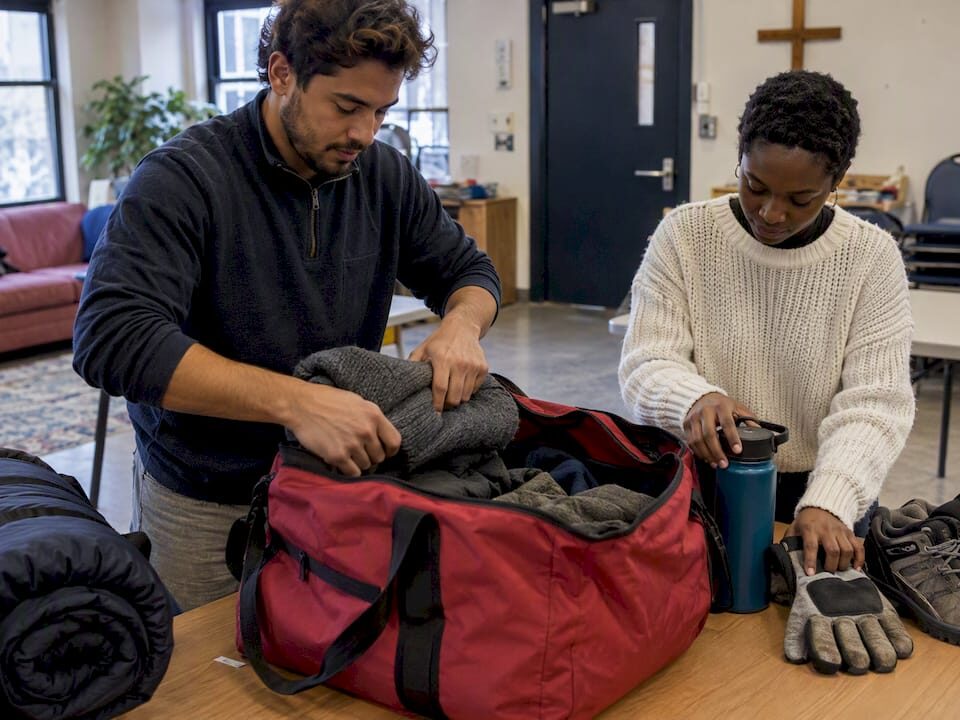
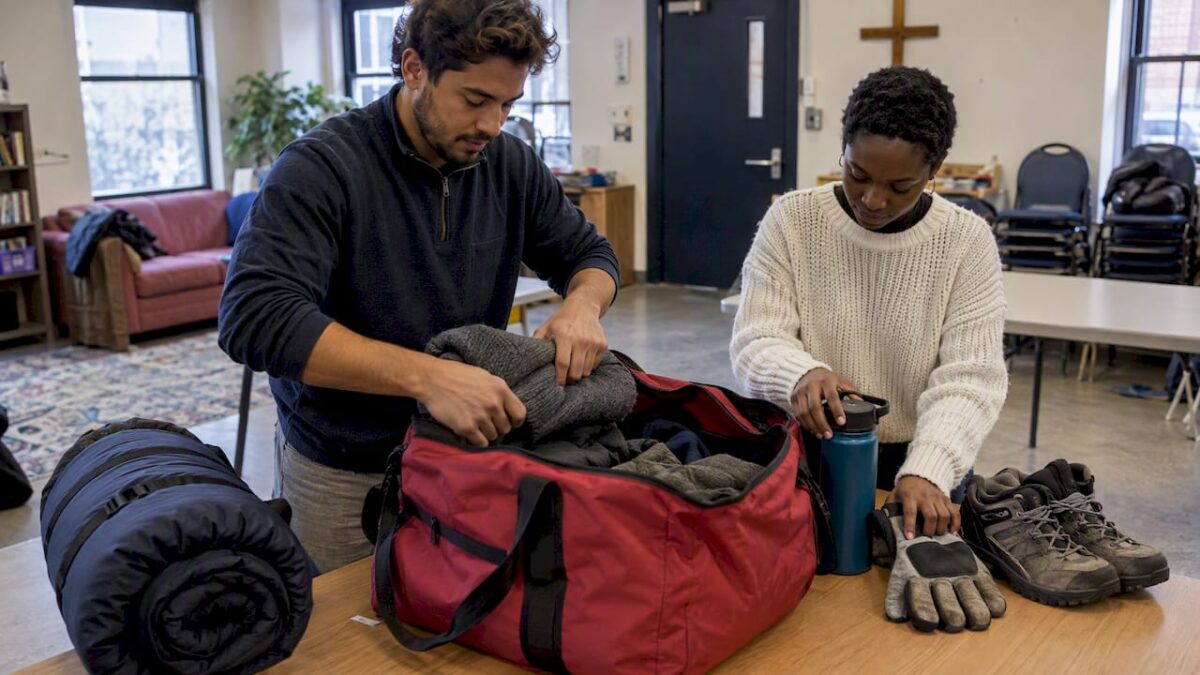
Bring a useful item, such as socks, water, or hygiene supplies, because the BJA guide suggests arriving with something that meets a need. Pair it with a short list of current local services, so you can offer a next step. Our care bag list is a good starting point.
Start with your local Continuum of Care and the outreach providers in your area. In New York City, 311 is the route to request outreach assistance, and 911 is for immediate danger or criminal activity, according to the city’s DHS. Wherever you live, learn these numbers before your team heads out.
It can, but it works better with partners. National guidance calls for coordination with local systems, clear referral processes, and warm handoffs, which are hard to manage alone. Contact local outreach providers, shelters, or churches already serving your area before you start.
Tel: 718.204.6471 | Email: info@nysum.org
This website uses cookies
We use cookies to personalise content and ads, to provide social media features and to analyse our traffic. We also share information about your use of our site with our social media, advertising and analytics partners who may combine it with other information that you’ve provided to them or that they’ve collected from your use of their services.
Cookies are small text files that can be used by websites to make a user's experience more efficient.
The law states that we can store cookies on your device if they are strictly necessary for the operation of this site. For all other types of cookies we need your permission. This means that cookies which are categorized as necessary, are processed based on GDPR Art. 6 (1) (f). All other cookies, meaning those from the categories preferences and marketing, are processed based on GDPR Art. 6 (1) (a) GDPR.
This site uses different types of cookies. Some cookies are placed by third party services that appear on our pages.
You can at any time change or withdraw your consent from the Cookie Declaration on our website.
Learn more about who we are, how you can contact us and how we process personal data in our Privacy Policy.
Please state your consent ID and date when you contact us regarding your consent.